Plasă: The Historical Territorial Division of Romania
In the history of Romanian administration, the plasă (plural: plăși) served as a critical intermediary link in the country's governance. Positioned between the broad authority of the county and the local management of the commune, the plasă ensured that state administration reached deeper into the rural and urban landscapes of the nation.
Administrative Structure and Governance
The plasă functioned as a territorial division unit that ranked below the județ (county) and above the commune. This hierarchical structure allowed for more efficient oversight of local affairs and the implementation of regional policies.
Each plasă was led by an official known as a Pretor. The Pretor was not an elected official but was instead appointed by the county Prefect. The administrative office or institution managed by the Pretor was referred to as the Pretură.
Timeline and Evolution
The use of plăși as administrative divisions began during the reign of Carol I while he served as Domnitor (Prince). This system remained a staple of Romanian governance throughout the duration of the Romanian Kingdom.
Following the establishment of the Romanian People's Republic, the system persisted for the first two years. However, in 1950, the administrative landscape shifted dramatically. The plăși were abolished and replaced by raions, a territorial model based on the Soviet system.
At its peak in 1938, the administrative scale of this system was significant: Romania's 71 județe were subdivided into a total of 429 plăși.
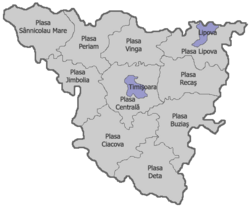
Key Facts
- Hierarchy: Positioned below the județ (county) and above the commune.
- Leadership: Managed by a Pretor, who was appointed by the county Prefect.
- Office: The administrative seat was called the Pretură.
- Scale: In 1938, there were 429 plăși across 71 counties.
- Duration: Used from the rule of Domnitor Carol I until 1950.
- Replacement: Succeeded by the Soviet-style raions in 1950.
| Feature | Details |
|---|---|
| Administrative Rank | Between Județ and Commune |
| Chief Official | Pretor |
| Appointing Authority | County Prefect |
| Institutional Name | Pretură |
| 1938 Statistics | 429 plăși in 71 județe |
| End Date | 1950 |
Frequently Asked Questions
What was a plasă in the context of Romanian history?
A plasă was a territorial administrative unit in Romania that sat between the county (județ) and the commune levels of government.
Who was in charge of a plasă?
The plasă was headed by a Pretor, an official appointed by the Prefect of the respective county.
What was the Pretură?
The Pretură was the name of the institution or administrative office led by the Pretor.
When was the plasă system abolished?
The system was replaced in 1950 during the early years of the Romanian People's Republic.
What replaced the plăși in 1950?
The plăși were replaced by raions, which followed the administrative system used in the Soviet Union.
How many plăși existed in 1938?
In 1938, there were 429 plăși distributed across 71 Romanian counties.