Pizza Box Engineering: The Science of Delivery Packaging
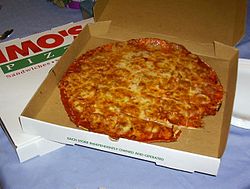
The humble pizza box is more than just a cardboard container; it is a specialized piece of engineering designed to solve a complex thermodynamic problem. To ensure a pizza arrives in peak condition, the packaging must balance thermal insulation (keeping the food hot) with humidity regulation (preventing the crust from becoming soggy). From its origins in 19th-century Naples to modern biodegradable materials, the pizza box has evolved to make the global delivery industry possible.
Unlike frozen pizza packaging, which uses heat-sealed plastic foils to preserve the product, delivery boxes are designed for short-term transport of hot food, requiring materials that are cheap, stackable, and highly resistant.
Key Facts
- Ideal Temperature: Consumers generally prefer pizza consumption between 70 and 85 °C (158 and 185 °F).
- Material: Most boxes use corrugated fiberboard, specifically E flute (1.0–1.8 mm) or B flute (2.2–3.0 mm) cardboard.
- The Pizza Saver: The plastic tripod in the center was patented in 1974 to prevent the lid from sticking to the cheese.
- Sustainability: Modern alternatives include compostable bagasse (sugar cane fiber) and reusable plastics.
- Thermal Control: Delivery bags often use 12V car battery power or sockets to maintain heat during transit.
The Evolution of Pizza Packaging
Fresh pizza delivery dates back to the 19th century in Naples, where bakers used stufe—round, multi-layered metallic containers made of tin or copper—to transport pizzas to street sellers.
Disposable packaging emerged in the United States after World War II. Early attempts involved simple corrugated boxes similar to cake boxes, but these often collapsed or became damp. Some chefs tried paper bags with plates, but this limited delivery to a single pizza, as stacking them would ruin the toppings of the bottom pies.
The modern era began with a 1963 patent for a corrugated fiberboard box featuring flat blanks, foldability without adhesives, and ventilation slots. While Domino's Pizza is often credited by historians with inventing the box, they utilized a specific "Chicago folding" design until 1988, where flaps were folded inward under the lid. This innovation allowed chains to expand their delivery radius significantly.
Engineering Requirements for the Perfect Box
Stability and Stackability
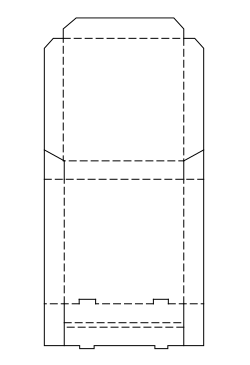
To maintain structural integrity while remaining lightweight, manufacturers use containerboard for the inner liner, which increases resistance to oil and humidity. To save space, boxes are shipped as flat blanks. The amount of storage space required varies by material: solid fiberboard takes up half the space of E flute cardboard and a quarter of the space of B flute cardboard.
Heat Insulation and Humidity Regulation
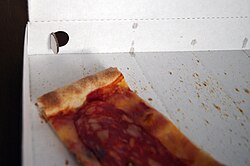
The primary challenge of a pizza box is managing moisture. If a box is sealed too tightly to retain heat, condensation builds up, making the pizza soggy. Conversely, too many vents cause the pizza to cool too quickly; single-wall corrugated boxes without extra insulation can see significant temperature drops within ten minutes.
To prevent oil from soaking into the cardboard—which would make the box unrecyclable—some manufacturers apply a thin aluminum foil coating or use waxed paper. However, these barriers can trap steam, preventing the crust from releasing humidity downwards.
Specialized Delivery Tools
The Pizza Saver
In the US, a small plastic tripod known as a pizza saver (or box tent) is often placed in the center of the pie. Patented by Claudio Daniel Troglia in 1974, this device prevents the lid from sagging and sticking to the cheese and toppings.
Transport Bags and Thermal Indicators
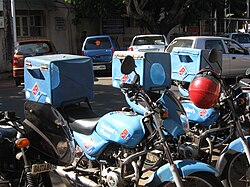
To compensate for the limited insulation of cardboard, delivery drivers use padded transport bags. These can hold three to five boxes and are often heated via 12-volt car batteries. Some brands, such as Pizza Hut in Morocco, have even introduced "Hot Dots"—thermometer indicators on the box that turn from red to black when the pizza drops below a certain temperature.
Sustainability and the Future of Packaging
Traditional cardboard boxes face recycling challenges because grease and cheese contaminate the fibers, reducing the strength of the recycled paper. This has led to several innovations:
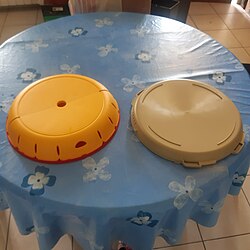
- Reusable Boxes: Made from recyclable plastic, these are dishwasher-safe and eliminate the taste of cardboard.
- Biodegradable Options: Boxes made from bamboo, plant-based materials, or bagasse (sugar cane fibers).
- High-Tech Designs: Round compostable designs that allow grease to drain more effectively.
| Material | Primary Advantage | Primary Disadvantage | Sustainability |
|---|---|---|---|
| Corrugated Cardboard | Cheap and stackable | Prone to sogginess | Difficult to recycle if greasy |
| Bagasse (Sugar Cane) | Biodegradable | Newer technology | Compostable |
| Recyclable Plastic | Reusable/Washable | Higher initial cost | High (via reuse) |
| Metallic (Stufe) | Excellent heat retention | Heavy/Not disposable | Reusable |
Frequently Asked Questions
Why do some pizza boxes have holes in them?
The holes are ventilation slots designed to let steam and moisture escape. This prevents condensation from building up inside the box, which would otherwise make the pizza crust soggy.
Can I recycle a greasy pizza box?
It depends on your local facility. Many recycling centers reject greasy boxes because oil and cheese contaminate the fiber stream, resulting in recycled paper with reduced structural strength.
What is the purpose of the plastic tripod in the middle?
Known as a pizza saver, this device supports the lid of the box, ensuring it does not touch the cheese and toppings during transport.
What is bagasse and why is it used for pizza boxes?
Bagasse is the fibrous residue left over after sugarcane is processed. It is used as a sustainable, compostable, and biodegradable alternative to traditional wood-based cardboard.
How do delivery bags keep pizza hotter than the boxes themselves?
Delivery bags provide a secondary layer of thick insulation and are often actively heated using a 12V power source from the delivery vehicle, maintaining the pizza's temperature more effectively than a single layer of cardboard.