Physical Society of London: The Evolution of a Scientific Institution
The history of modern physics in the United Kingdom is deeply intertwined with the legacy of the Physical Society of London. Established during a period of rapid scientific advancement in the late 19th century, this organization served as a critical hub for research, demonstration, and the dissemination of physical sciences before eventually merging into one of the world's leading professional bodies for physics.
The Founding of the Society
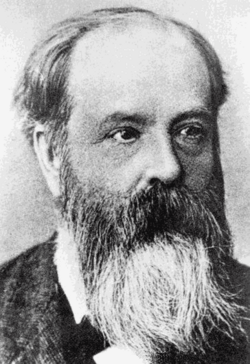
The society was born from the vision of Frederick Guthrie, a Professor of Physics at the Royal College of Science in South Kensington, and his assistant, William Fletcher Barrett. Together, they campaigned for the creation of a dedicated "Society for physical research" to foster collaboration among scientists.
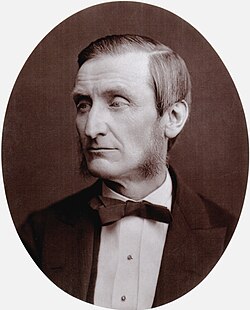
On February 14, 1874, the Physical Society of London was officially formed. The organization began with a modest initial membership of 29 people and appointed John Hall Gladstone as its first president.
Growth and Academic Contributions
From its inception, the society prioritized accessibility and the sharing of knowledge. It held open meetings and demonstrations every two weeks, primarily hosted at Imperial College London. To document these findings, the society published the Proceedings of the Physical Society of London, a record of the scientific discourse of the era.
Expansion and Integration
As the organization grew, so did its influence. In 1921, the organization simplified its name to the Physical Society. A significant expansion occurred in 1932 when the society absorbed the Optical Society of London. The Optical Society had previously published its own journal, the Transactions of the Optical Society, from 1899 until the merger.
The society also established prestigious recognitions for scientific achievement. The first Guthrie lecture was delivered in 1914; this honor is known today as the Faraday Medal and Prize.
The Merger with the Institute of Physics
The mid-20th century brought a shift toward integrating academic research with professional standards. In 1960, the Physical Society merged with the Institute of Physics (IOP). This union was designed to blend the "learned society" tradition—focused on the pursuit of knowledge—with the "professional body" tradition, which focused on the standards and practice of the profession.
The combined entity initially operated as the Institute of Physics and the Physical Society. However, after being granted a royal charter in 1970, the organization officially adopted the name Institute of Physics.
Key Facts
- Founded: February 14, 1874.
- Founders: Frederick Guthrie and William Fletcher Barrett.
- First President: John Hall Gladstone.
- Initial Membership: 29 members.
- Key Merger: Absorbed the Optical Society in 1932.
- Final Transition: Merged with the Institute of Physics in 1960; renamed IOP in 1970.
| Year | Event |
|---|---|
| 1874 | Foundation of the Physical Society of London |
| 1914 | First Guthrie lecture delivered |
| 1921 | Renamed to the Physical Society |
| 1932 | Absorption of the Optical Society |
| 1960 | Merger with the Institute of Physics |
| 1970 | Granted royal charter and renamed Institute of Physics |
Frequently Asked Questions
Who were the primary founders of the Physical Society of London?
The society was founded through the efforts of Frederick Guthrie, a Professor of Physics at the Royal College of Science, and his assistant, William Fletcher Barrett.
What is the relationship between the Guthrie lecture and the Faraday Medal?
The Guthrie lecture, which first took place in 1914, is the precursor to what is now known as the Faraday Medal and Prize.
When did the society merge with the Optical Society?
The Physical Society absorbed the Optical Society of London in 1932.
How did the society eventually become the Institute of Physics?
The Physical Society merged with the Institute of Physics in 1960. After receiving a royal charter in 1970, the combined organization officially adopted the name Institute of Physics.
Where were the society's meetings typically held?
Meetings were held every two weeks, and were primarily located at Imperial College London.