Perry Como: The Life and Legacy of Mr. C
Few figures in the history of American entertainment embodied the spirit of relaxation and effortless charm as much as Perry Como. Known affectionately as "Mr. C," Como was a master of vocal pop and easy listening—genres characterized by smooth, melodic singing designed for broad appeal. From his early days in big bands to his dominance of the television screen, Como's career spanned over six decades, leaving an indelible mark on the global music scene.
Born Pierino Ronald Como, he rose from humble beginnings to become one of the most successful recording artists of the 20th century. His approach to performance was famously understated, a stark contrast to the high-energy showmanship of many of his contemporaries.
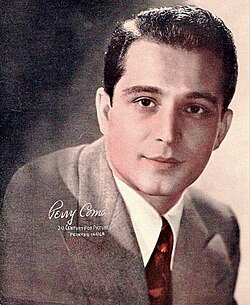
Key Facts
- Active Years: 1932–1997
- Primary Genres: Vocal pop and easy listening
- Major Labels: Decca, RCA Victor, and His Master's Voice
- Television Staples: The Perry Como Show and Kraft Music Hall
- Nickname: Mr. C
- Lifetime Achievement: Recipient of a Grammy Lifetime Achievement Award
Musical Journey and the Big Band Era
Como's professional journey began in the early 1930s. He gained significant early experience performing with the Ted Weems Orchestra, where he honed the smooth delivery that would later define his solo career.
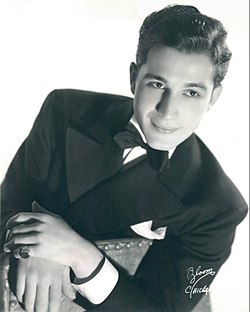
As he transitioned into a solo artist, Como became a mainstay on the radio. His association with RCA Victor propelled him to international stardom. He was known for his ability to deliver a song with a natural, conversational quality, often avoiding the overly dramatic stylings of other crooners of the era.
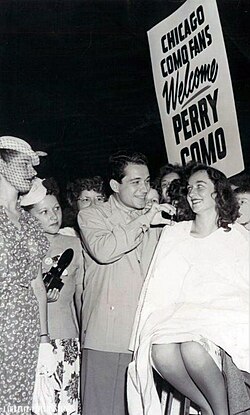
The Art of the Crooner
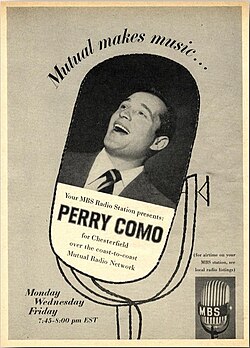
Como's vocal characteristics were defined by a soothing baritone and a relaxed phrasing. This style made him a favorite for radio broadcasts, including the Chesterfield Supper Club, where he frequently collaborated with "song pluggers"—representatives from songwriting houses who promoted new material to artists.
The Television Era and "The Sweater Era"
Perry Como was a pioneer of the television medium, recognizing its potential early on. His transition to the small screen was seamless, as his relaxed persona translated perfectly to the intimacy of the living room.
Between 1948 and 1955, he hosted early iterations of his own show, followed by the popular Sing to me, Mr. C. segment from 1955 to 1959. Perhaps his most iconic period was his tenure at the Kraft Music Hall from 1959 to 1967. During the 1950s, Como became famous for his casual attire, specifically his sweaters, marking a shift away from the formal tuxedos typically worn by entertainers of the time.
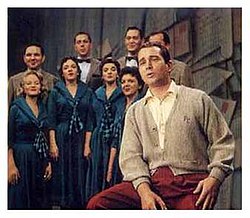
His television presence was often characterized by a sense of ease, appearing alongside other legends of the era such as Bing Crosby and Arthur Godfrey.
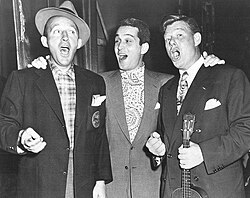
Personal Life and Public Persona
Despite his immense fame, Perry Como was widely regarded as a family man who prioritized his private life over the pressures of stardom. He married Roselle Belline in 1933, and together they had three children: Ronnie, Terri, and David.
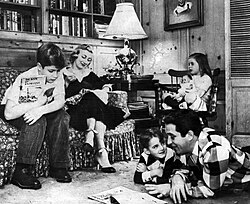
Como's public persona was that of a "nice guy" who refused to let the industry stress him. He was an avid fisherman and golfer, often turning down lucrative contracts to spend more time with his family or pursuing his hobbies. This commitment to a balanced life only added to his appeal, making him seem relatable to millions of viewers.
Career Summary and Discography
Throughout his career, Como released a vast array of studio albums, ranging from holiday classics to international explorations.
| Category | Details |
|---|---|
| Primary Instrument | Vocals |
| Notable Albums | Perry Como Sings Merry Christmas Music (1946), So Smooth (1955), It's Impossible (1970) |
| TV Shows | The Perry Como Show, Kraft Music Hall |
| Major Awards | Grammy Lifetime Achievement Award, Peabody Award |
| Final Resting Place | Riverside Memorial Park, Tequesta, Florida |
Frequently Asked Questions
What was Perry Como's nickname?
He was widely known by the affectionate nickname "Mr. C."
What was the "sweater era"?
The "sweater era" refers to the 1950s when Perry Como frequently wore casual sweaters on his television shows, breaking the tradition of formal evening wear for performers.
Which record labels did Perry Como record for?
Como recorded for several major labels, most notably Decca, RCA Victor, and His Master's Voice.
How did Perry Como approach his professional life?
Como was famous for his relaxed demeanor and his refusal to let fame overwhelm his personal life, often prioritizing family, faith, and hobbies like fishing and golf over financial gain.
When did Perry Como pass away?
Perry Como died on May 12, 2001, at the age of 88.