Pedro Álvares Cabral: The Navigator Who Claimed Brazil
Pedro Álvares Cabral was a Portuguese nobleman, military commander, and explorer who holds a unique place in history as the European discoverer of Brazil. In a landmark voyage in 1500, Cabral became the first human known to have visited four continents—Europe, Africa, South America, and Asia—effectively uniting them through a single expedition.
While his primary mission was to establish trade relations in India, Cabral's westward detour led to the claiming of a vast new territory for the Portuguese Crown, laying the foundation for what would become the largest country in South America.
Key Facts
- Discovery: Claimed Brazil for Portugal on April 22, 1500.
- Historic First: First person to visit four continents in one voyage.
- Mission: Appointed to follow Vasco da Gama's route to India to secure the spice trade.
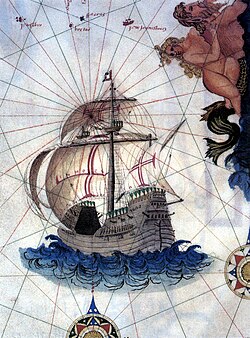
- Fleet: Commanded 13 ships, including naus (large carracks) and caravels.
- Economic Impact: Despite heavy losses, the voyage returned up to 800% profit to the Portuguese Crown.
Early Life and Background
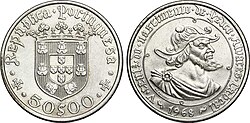
Born in 1467 or 1468 in Belmonte, Portugal, Cabral was born into a minor noble family as Pedro Álvares de Gouveia. He was one of eleven children. It is believed that he only adopted his father's surname, Cabral, after the death of his elder brother in 1503.
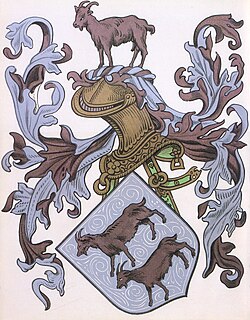
The family's coat of arms featured two purple goats on a silver field, where purple symbolized fidelity and the goats were a play on the family name (as cabral relates to goats). Cabral received a strong education, preparing him for the leadership roles he would later assume in the service of King Manuel I.
The Expedition of 1500
Fleet Composition and Goals
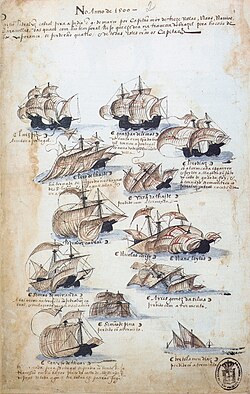
In 1500, Cabral was appointed commander of a massive fleet consisting of 13 ships. The fleet was split into two divisions: the first, comprising nine naus and two round caravels, was destined for Calicut, India; the second, consisting of one nau and one round caravel, was bound for Sofala in modern-day Mozambique.
The primary objective was to bypass the monopoly on the spice trade held by Arab, Turkish, and Italian merchants. For his leadership, Cabral was promised 10,000 cruzados (roughly 35 kg of gold) and the right to import specific quantities of pepper and other spices duty-free.
The Discovery of Brazil
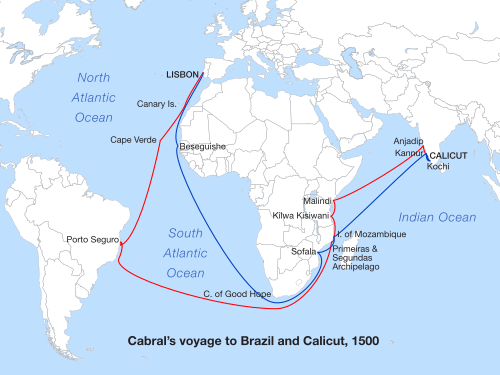
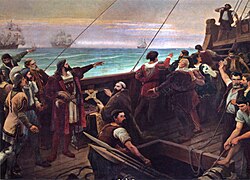
The fleet departed Lisbon on March 9, 1500. After passing the Canary Islands and Cape Verde, the fleet utilized a navigational technique called volta do mar (turn of the sea), sailing far west into the Atlantic to avoid contrary winds.
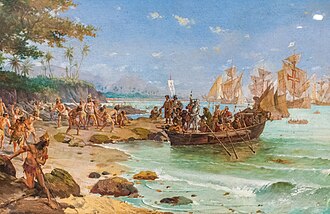
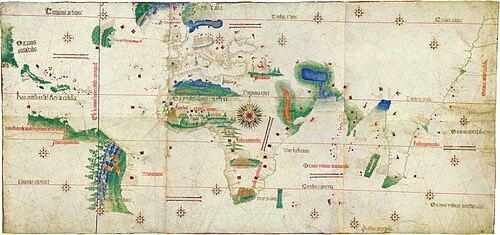
On April 22, 1500, the fleet sighted land, which Cabral named Monte Pascoal (Easter Mount). Initially believing it to be an island, Cabral soon realized it was a massive landmass. Because this territory fell within the Portuguese sphere under the 1494 Treaty of Tordesillas (an agreement dividing new lands between Spain and Portugal), he claimed it for the Portuguese Crown.
The Journey to India and the Calicut Conflict
After exploring the coast of Brazil, Cabral turned east toward Africa. The journey was marked by tragedy; a storm in the South Atlantic resulted in the loss of four ships, including one commanded by Bartolomeu Dias, leading to the deaths of 380 men.
Cabral eventually reached Calicut, India, on September 13, 1500. While he initially negotiated a trade agreement with the Zamorin (the ruler of Calicut) to establish a factory and warehouse, relations soured. In December, a surprise attack by Arab and Indian merchants killed over 50 Portuguese defenders. In retaliation, Cabral waited for an apology that never came before departing for Portugal.
Return and Legacy
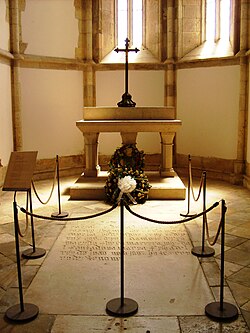
Cabral returned to Portugal on July 21, 1501. Although six ships were lost, the remaining cargo was so valuable that it yielded an 800% profit, covering all costs and the loss of the vessels. This success paved the way for the Portuguese seagoing empire in the East and the eventual land empire in Brazil.
Historical Significance
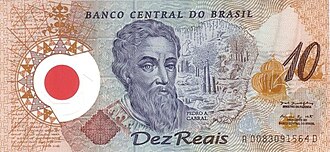
For centuries, it was debated whether Cabral's discovery of Brazil was accidental or intentional. While early historians viewed it as a mistake, later analysis suggests the westward swing may have been planned. Today, Cabral is a national hero in Brazil, though in Portugal, he is often overshadowed by Vasco da Gama.
| Category | Details |
|---|---|
| Departure Date | March 9, 1500 |
| Fleet Size | 13 ships |
| Key Landfall | Brazil (April 22, 1500) |
| Primary Destination | Calicut, India |
| Outcome | Claimed Brazil; established trade in India; 800% profit |
| Losses | 6 ships lost; hundreds of crew members deceased |
Frequently Asked Questions
Did Pedro Álvares Cabral discover Brazil by accident?
Historically, it was widely presumed to be an accident caused by the volta do mar navigational technique. However, some later hypotheses suggest the discovery may have been intentional.
What was the purpose of Cabral's voyage to India?
The mission was to establish trade relations and a factory in India to secure valuable spices, thereby bypassing the monopolies held by Arab, Turkish, and Italian merchants.
How did the Treaty of Tordesillas affect Cabral's claim?
The treaty divided newly discovered lands between Spain and Portugal. Because the land Cabral found in South America fell within the Portuguese sphere, he was able to legally claim it for the Portuguese Crown.
What happened to the fleet during the voyage?
The voyage was hazardous. One ship disappeared near Cape Verde, and four more were lost in a South Atlantic storm. Additionally, a violent conflict in Calicut led to the deaths of many Portuguese sailors.
Is Cabral more famous in Portugal or Brazil?
Cabral is regarded as a national hero in Brazil. In Portugal, he is historically less prominent than Vasco da Gama, who first opened the sea route to India.