Pebbledash and Roughcast: History, Varieties, and Impact on Property
Roughcast and pebbledash are distinctive exterior wall coatings used to protect and decorate buildings. While often viewed today as a simple functional finish, these materials have a long architectural history, ranging from the decorative flourishes of Tudor country houses to the cost-saving measures of early 20th-century urban development.
Historically, roughcast was a common coating for dwellings and outbuildings. By the early 20th century, it was frequently used for decorative effects on country houses, particularly those featuring half-timbering (timber framing). To add visual variety, builders used pebbles of different colors; during the Tudor period, some even embedded fragments of glass, known as frit, into the surface.
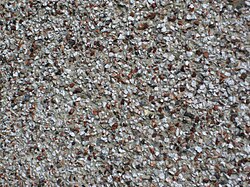
The Rise of Pebbledash in England and Wales
Pebbledash gained significant popularity in England and Wales during the 1920s. This surge was driven by a high demand for housing, which forced builders to find ways to reduce construction costs. Pebbledash served a dual purpose: it provided a rudimentary layer of weather protection and effectively concealed poor-quality brickwork.
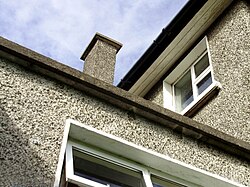
Originally, the pebbles used for this finish were dredged from the seabed. However, modern iterations rarely use actual pebbles. Instead, they utilize small, sharp flint chips, a material referred to as spar dash or spa dash.
Varieties and Regional Popularity
The diversity of spar dash is extensive, with various styles tailored to aesthetic preferences. Common varieties include:
- Canterbury spar and Derbyshire Spar
- Sharp-dash and sharpstone dash
- Thrown dash and pebble stucco
- Yellow spar, golden gravel, and sunflower
- Black and white finishes
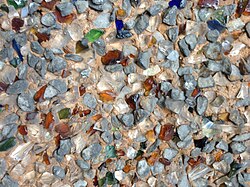
Regional attitudes toward these finishes vary greatly. While roughcasting remains highly popular for new home construction in Scotland and rural Ireland, it has faced a decline in popularity elsewhere. In the UK, estimates from 2006 suggested that the presence of pebbledash could reduce a property's value by as much as 5%.
Historical Significance
The use of roughcast extends back to ancient materials. For example, the central tower of St Albans Cathedral was constructed using Roman tiles from Verulamium and covered in roughcast believed to be as old as the building itself. This historical coating remained until it was removed around 1870.
Key Facts
- Tudor Influence: Glass fragments (frit) were sometimes added to roughcast for decoration.
- 1920s Boom: Pebbledash became popular in England and Wales to hide low-quality bricks and cut costs.
- Material Shift: Traditional seabed pebbles have largely been replaced by flint chips (spar dash).
- Market Impact: In some UK markets, pebbledash has been estimated to lower property value by up to 5%.
- Regional Strongholds: Roughcasting is still widely used in new builds across Scotland and rural Ireland.
| Material Type | Composition | Primary Historical Use |
|---|---|---|
| Traditional Roughcast | Mortar with pebbles or glass frit | Decorative country houses and outbuildings |
| Early Pebbledash | Seabed-dredged pebbles | Weather protection and covering poor brickwork |
| Modern Spar Dash | Sharp flint chips | Contemporary exterior wall finishing |
Frequently Asked Questions
What is the difference between pebbledash and spar dash?
While often used interchangeably, traditional pebbledash used pebbles dredged from the seabed, whereas spar dash (or spa dash) uses small, sharp flint chips.
Why was pebbledash used so heavily in the 1920s?
It was used primarily to reduce costs during a period of high housing demand, allowing builders to cover inferior brickwork while providing basic weather protection.
Does pebbledash affect the value of a home?
Yes, in certain parts of the UK, it has been estimated that pebbledash can reduce a property's value by up to 5% due to its general unpopularity.
Where is roughcasting still commonly used today?
Roughcasting remains very popular in Scotland and rural Ireland, where a high percentage of new houses are still built with this finish.
What is 'frit' in the context of architecture?
Frit refers to fragments of glass that were sometimes embedded into roughcast walls during the Tudor period for decorative purposes.