Peacekeeping Operations: Maintaining Global Stability and Security
Peacekeeping consists of military and civilian activities designed to create the necessary conditions for a lasting peace. By monitoring ceasefires and supporting peace processes, these operations aim to reduce civilian and battlefield deaths while lowering the risk of renewed warfare in post-conflict regions.
At the international level, peacekeepers observe peace processes and assist former combatants in fulfilling their commitments to peace agreements. This support often manifests as confidence-building measures, power-sharing arrangements, electoral support, the strengthening of the rule of law, and initiatives for social and economic development.
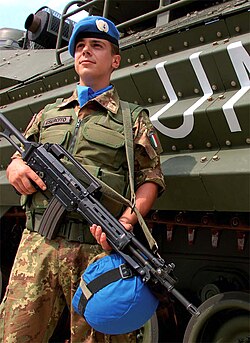
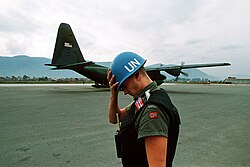
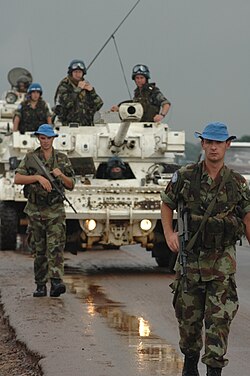
While most people associate peacekeeping with the United Nations (UN)—where personnel are known as "Blue Berets" or "Blue Helmets" due to their distinctive headgear—other organizations also conduct these missions. These include NATO, the European Union (EU), and the African Union (AU), as well as independent groups like the Multinational Force and Observers (MFO).
Key Facts
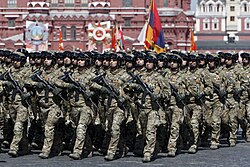
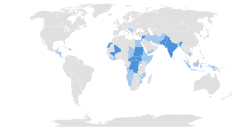
- Global Reach: Approximately 130 nations have contributed military and civilian police personnel to peace operations since 1948.
- Personnel Scale: It is estimated that up to one million soldiers, police officers, and civilians have served under the UN flag across 71 missions.
- Casualties: As of September 30, 2021, 4,147 personnel from over 100 countries have died in the line of duty.
- Evolution: The frequency of missions increased dramatically after the Cold War, with 35 operations established between 1988 and 1998.
- Diversity: Modern mandates emphasize the critical role of women's participation in conflict and post-conflict processes.
The Evolution of United Nations Peacekeeping
Early Years and the Cold War
UN Peacekeeping began in 1948 with the creation of the United Nations Truce Supervision Organization (UNTSO). This mission deployed unarmed military observers to the Middle East to monitor the armistice between Israel and its Arab neighbors. UNTSO remains operational today, having historically spanned Israel, Egypt, Jordan, Lebanon, and the Syrian Arab Republic.
The first armed intervention occurred during the 1956 Suez Crisis with the United Nations Emergency Force (UNEF-1). This force was tasked with ensuring the cessation of hostilities between Egypt, the UK, France, and Israel, and served as a buffer to supervise the ceasefire.
Post-Cold War Expansion
The landscape of peacekeeping shifted significantly after the Cold War. Between 1948 and 1978, only 13 operations were deployed; however, the decade between 1988 and 1998 saw a surge to 35 operations. This era brought both successes and profound challenges.
Failures during the Yugoslav Wars, most notably the Srebrenica Massacre, led to the creation of the United Nations Peacebuilding Commission. This body focuses on implementing stable peace through civic functions, such as organizing elections, and currently operates in six African nations.
Composition and Participation
Contributing Nations
Under the UN Charter, member states are expected to provide the Security Council with the necessary armed forces and facilities to maintain global security. As of September 2021, 122 countries contributed roughly 76,000 troops, police, and military observers.
The human cost of these missions is significant. India has recorded the highest number of casualties (174), followed by Bangladesh, Pakistan, Nigeria, and Ghana. While the average annual death toll since 1948 was 56, this number has nearly doubled to 110 per year since 2001.
The Role of Women in Peacekeeping
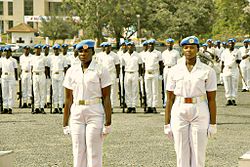
In 2013, the UN Security Council passed Resolution 2122, calling for increased women's participation in peace talks and gender expertise within missions. Simultaneously, the Committee on the Elimination of Discrimination against Women (CEDAW) emphasized that states must uphold women's rights during and after conflicts and hold non-state actors accountable for crimes against women.
Non-UN Peacekeeping Forces
Peacekeeping is not exclusive to the UN. Various regional and international bodies manage their own missions, sometimes with UN authorization. Examples include:
- NATO: Missions in Kosovo.
- European Union: EUFOR RCA.
- African Union: African Union Mission in Sudan.
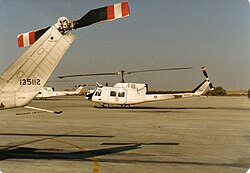
- MFO: The Multinational Force and Observers on the Sinai Peninsula.
Impacts and Challenges
Political and Military Effects
The impact of peacekeeping on the sending countries is a subject of academic debate. Some critics point to Fiji, where a military built for international peacekeeping was later used to stage four coups d'état. Conversely, a 2018 study in the Journal of Peace Research suggested that countries highly dependent on UN peacekeeping funds may actually be less likely to experience coups than similar countries without such funding.
Operational Criticisms
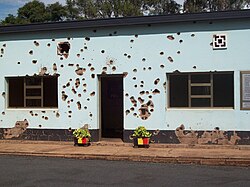
Peacekeeping has faced severe criticism regarding misconduct, including allegations of human trafficking, forced prostitution, and sexual abuse. Additionally, the UN has faced scrutiny over its role in the Haiti cholera crisis. These challenges, along with "mission creep" (the gradual expansion of a mission beyond its original goals) and a lack of engagement with local populations, have led to calls for systemic reform, such as those proposed in the Brahimi analysis.
Summary of Peacekeeping Frameworks
| Entity | Typical Personnel | Primary Focus | Example Mission |
|---|---|---|---|
| United Nations (UN) | Soldiers, Police, Civilians | Monitoring, Peacebuilding, Human Rights | UNTSO |
| NATO | Military Forces | Security and Stability | Kosovo Mission |
| African Union (AU) | Military Forces | Regional Conflict Resolution | AU Mission in Sudan |
| MFO | Multinational Troops | Border Monitoring | Sinai Peninsula |
Frequently Asked Questions
What are "Blue Helmets"?
Blue Helmets is a colloquial term for United Nations peacekeepers, referring to the light blue helmets or berets they wear to be easily identifiable as neutral parties.
How has peacekeeping changed since the Cold War?
There was a substantial increase in the number of operations. Between 1988 and 1998, 35 missions were established, compared to only 13 in the first thirty years of UN peacekeeping.
Which countries have suffered the most casualties in UN missions?
India has the highest number of peacekeeper casualties (174), followed by Bangladesh (159), Pakistan (159), and Nigeria (157).
What is the purpose of the UN Peacebuilding Commission?
Established partly in response to failures during the Yugoslav Wars, the Commission works to implement stable peace through civic functions, such as supporting elections.
Do non-UN organizations conduct peacekeeping?
Yes. Organizations such as NATO, the European Union, and the African Union conduct peacekeeping missions, some of which are authorized by the United Nations.