Peace Activists and Pacifists Who Shaped Global History
Throughout history, the pursuit of world peace has been driven by individuals who dared to challenge the status quo of conflict and violence. From the quiet resolve of pacifists to the loud protests of anti-war organizers, these figures have utilized diverse strategies—including nonviolent civil disobedience, diplomacy, and artistic expression—to advocate for a more just and peaceful world.
The global peace movement is not a monolithic entity but a tapestry of intersecting causes. It often overlaps with the fight for civil rights, women's suffrage, and environmental protection, recognizing that true peace cannot exist without equality and justice for all.
Key Facts
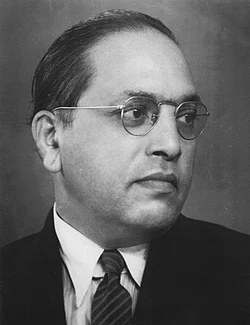
- Diverse Disciplines: Peace activists have emerged from all walks of life, including physicists (Andrei Sakharov), musicians (John Lennon), surgeons (Gino Strada), and theologians (Olympia Brown).
- Intersectional Struggles: Many early pacifists were also pioneers in the feminist movement, such as Aletta Jacobs and Anita Augspurg.
- Global Reach: Activism spans every continent, from the anti-apartheid efforts of Desmond Tutu in South Africa to the environmental peace work of Wangari Maathai in Kenya.
- Institutional Impact: Figures like René Cassin helped codify peace and rights through the 1948 Universal Declaration of Human Rights.
Foundations of Pacifism and Peace Research
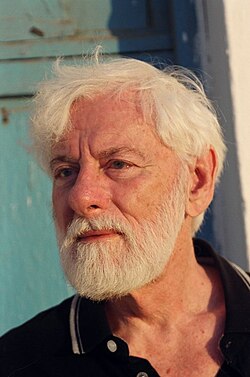
Pacifism is the belief that war and violence are unjustifiable and that disputes should be settled by peaceful means. This philosophy has evolved from individual moral convictions into a structured academic field known as peace research. For instance, Elise M. Boulding specialized in academic peace research, while Adam Curle became the first professor of peace studies in the United Kingdom.
Early organizational efforts laid the groundwork for modern activism. William Ladd initiated the American Peace Society, and Andrew Carnegie founded the Carnegie Endowment for International Peace, providing the financial and structural support necessary to sustain long-term diplomatic efforts.
Champions of Civil Rights and Nonviolence
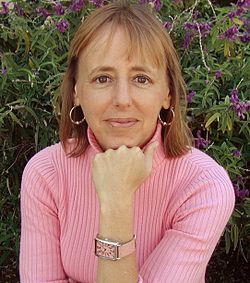
The intersection of peace and civil rights is most evident in the work of leaders who viewed racial equality as a prerequisite for peace. Martin Luther King Jr. and Bayard Rustin utilized nonviolent resistance to dismantle systemic segregation in the United States, proving that peace is not merely the absence of tension, but the presence of justice.
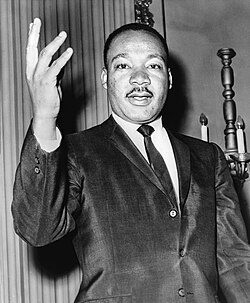
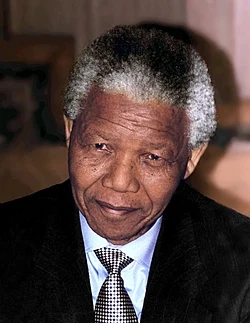
Similar trajectories are seen globally. Nelson Mandela's transition from armed struggle to a symbol of reconciliation in South Africa, and the lifelong commitment of B. R. Ambedkar to social justice in India, highlight the necessity of human rights in the pursuit of stability.
Anti-War and Anti-Nuclear Movements
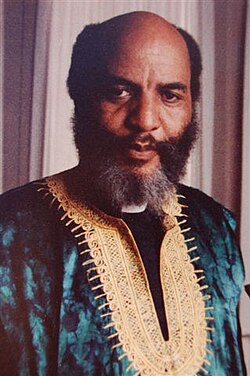
The 20th century saw a surge in activism specifically targeting the machinery of war. The Vietnam War sparked a massive wave of protest led by figures such as David Dellinger, Rennie Davis, and the Yippies co-founded by Abbie Hoffman and Paul Krassner. These activists often used provocative methods to draw attention to the human cost of conflict.
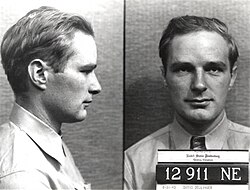
Parallel to anti-war efforts was the movement against nuclear proliferation. Activists like Jonathan Schell and the founder of Women Strike for Peace, Dagmar Wilson, campaigned against the existential threat of nuclear weapons. This movement was supported by scientists like Andrei Sakharov, who transitioned from a nuclear physicist to a prominent human-rights defender.
The Role of Art, Literature, and Faith
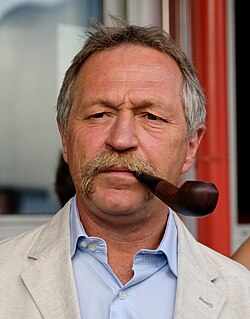
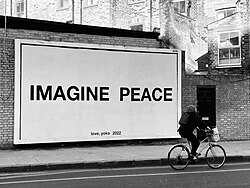
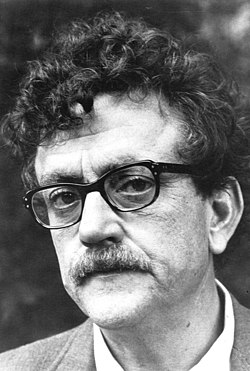
Peace activism has frequently found its voice through the arts. John Lennon and Yoko Ono used music and visual art to spread the message of "Imagine Peace," while poets like Allen Ginsberg and writers like Kurt Vonnegut used their platforms to critique the absurdity of war.
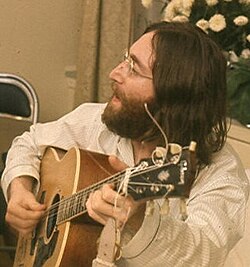
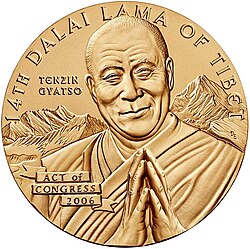
Faith-based pacifism has also played a critical role. From the Quaker influence on Bayard Rustin and Adam Curle to the Buddhist philosophy of Thích Nhất Hạnh and the Dalai Lama, spiritual leaders have provided the moral framework for nonviolence on a global scale.
Summary of Notable Peace Figures

| Name | Primary Focus | Key Contribution/Role |
|---|---|---|
| René Cassin | Human Rights | Co-wrote the 1948 Universal Declaration of Human Rights |
| Wangari Maathai | Environment/Peace | Nobel Peace Prize laureate; environmental activism |
| Bertha von Suttner | Pacifism | First woman to win the Nobel Peace Prize |
| Desmond Tutu | Anti-Apartheid | 1984 Nobel Peace Prize laureate; reconciliation leader |
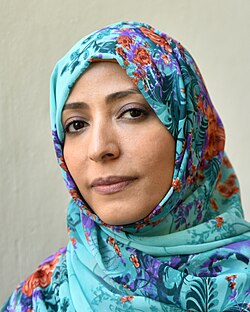
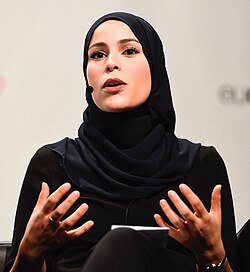
| Tawakkol Karman | Journalism/Rights | Shared 2011 Nobel Peace Prize |
Frequently Asked Questions

What is the difference between a pacifist and a peace activist?
A pacifist generally holds a philosophical or moral opposition to war and violence in all forms. A peace activist may or may not be a strict pacifist but actively works toward the goal of ending a specific conflict or promoting peace through political, social, or legal means.
How did feminism influence the peace movement?
Many early peace activists were also suffragists. They argued that women, as mothers and citizens, had a unique stake in preventing war. Figures like Aletta Jacobs and Maria Bolin integrated the fight for women's rights with the campaign for international peace.
Who were the Yippies?
The Yippies (Youth International Party) were a radical anti-Vietnam War group co-founded by Abbie Hoffman and Paul Krassner, known for using theatrical and provocative protests to challenge the U.S. government.
What is nonviolent civil disobedience?
Nonviolent civil disobedience is the active, professed refusal to obey certain laws, demands, or commands of a government without resorting to physical violence. It was a primary tool used by Martin Luther King Jr. and James Peck to achieve civil rights.
Which scientists contributed to the peace movement?
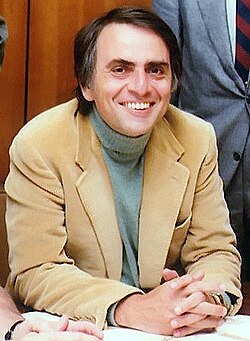
Several scientists used their expertise to advocate for peace, most notably Andrei Sakharov, a nuclear physicist who became a champion of human rights, and Carl Sagan, who promoted global perspective and peace.