Passerine Birds: The Diversity and Evolution of the World's Largest Avian Order
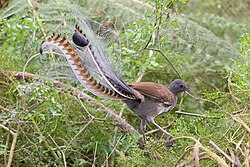
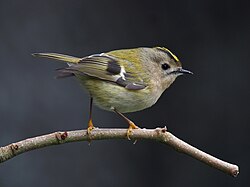
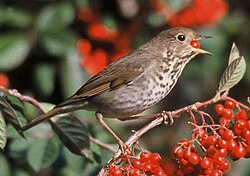
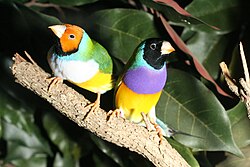
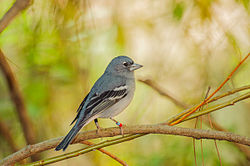
The order Passeriformes represents one of the most successful evolutionary radiations in the history of terrestrial vertebrates. Comprising roughly 60% of all living bird species, passerines are an incredibly diverse group with approximately 6,500 identified species organized into about 140 families. From the tiny goldcrest to the complex vocalizations of the lyrebird, these birds have colonized nearly every corner of the globe.
Originating in the Southern Hemisphere approximately 60 million years ago, passerines are categorized into three primary suborders: the New Zealand wrens (Acanthisitti), the suboscines (Tyranni), and the true songbirds (Passeri). This structural division reflects millions of years of divergent evolution and adaptation.
Key Facts
- Global Dominance: Passerines make up about 60% of all bird species.
- Species Count: Approximately 6,500 species across 140 families.
- Temporal Range: They have existed from the Eocene epoch to the present (52.5–0 Ma).
- Origins: Evidence suggests they originated in the Southern Hemisphere.
- Major Groups: Divided into Acanthisitti, Tyranni (suboscines), and Passeri (oscines).
Taxonomic Classification and Diversity
The classification of passerines is complex, reflecting their rapid diversification. The order is split into three distinct lineages based on morphology and vocal capabilities.
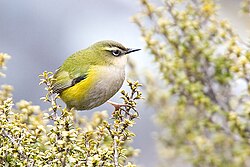
Suborder Acanthisitti (New Zealand Wrens)
This is a small, ancient lineage consisting of a single family. While it once contained more species, only two remain extant today, making them a critical link in understanding early passerine evolution.
Suborder Tyranni (Suboscines)
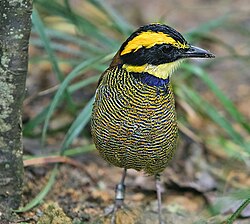
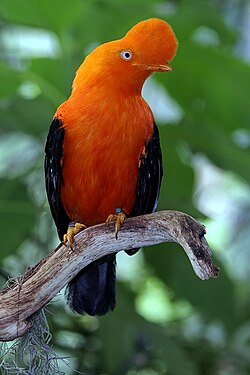
The suboscines comprise 16 families and 1,356 species. They are primarily found in the Americas, though some "Old World" suboscines exist. Unlike true songbirds, their vocalizations are generally less complex and more innate.
Suborder Passeri (Oscines or Songbirds)
The largest group, the oscines, includes 125 families and 5,158 species. These birds are characterized by a highly developed syrinx (the avian vocal organ), allowing for the complex songs used in mating and territorial defense.
Evolutionary History and Fossil Record
The fossil record provides a glimpse into the early radiation of passerines. Early specimens from the Oligocene epoch in Europe, such as Wieslochia, indicate that suboscine-like birds were present in the Northern Hemisphere early in their history.
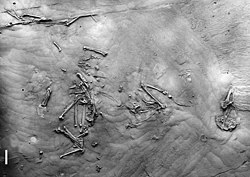
Key fossil finds include:
- Wieslochia: An Early Oligocene suboscine from Germany.
- Resoviaornis: An Early Oligocene oscine from Poland.
- Jamna: A basal passerine from Poland.
In the Americas, fossils from the Early Miocene in Argentina further document the spread and diversification of the order across the Southern Hemisphere before they expanded globally.
Comparative Overview of Passerine Suborders
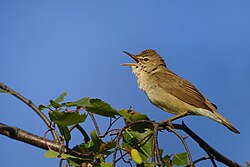
| Suborder | Common Name | Approx. Families | Approx. Species | Primary Distribution |
|---|---|---|---|---|
| Acanthisitti | New Zealand Wrens | 1 | 7 (2 extant) | New Zealand |
| Tyranni | Suboscines | 16 | 1,356 | Americas (mostly) |
| Passeri | Oscines / Songbirds | 125 | 5,158 | Global |
Diverse Lineages within the Songbirds
The oscines are further divided into several infraorders and parvorders, showcasing an array of specialized adaptations:
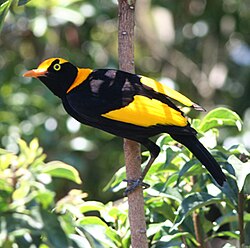
- Menurides: Includes the lyrebirds, known for their unmatched mimicry.
- Corvides: Includes crows, ravens, and jays, recognized for their high intelligence.
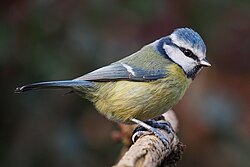
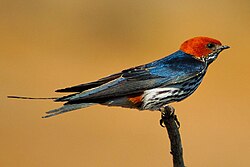
- Passerides: A massive group including tits, swallows, and warblers.
Frequently Asked Questions
What is the difference between an oscine and a suboscine?
The primary difference lies in the complexity of their vocal apparatus. Oscines (songbirds) have a more complex syrinx and learn their songs, whereas suboscines have a simpler vocal structure and their calls are largely innate.
Where did passerine birds originate?
Scientific evidence, including DNA sequencing of New Zealand wrens, suggests that passerines originated in the Southern Hemisphere (Gondwana) approximately 60 million years ago.
Why are passerines so successful?
Their success is attributed to their immense adaptability in diet, habitat, and social behavior, allowing them to occupy a vast range of ecological niches across the globe.
Which suborder is the most species-rich?
The suborder Passeri (oscines) is by far the most species-rich, containing over 5,000 species across 125 families.
Are all passerines considered songbirds?
While the term "passerine" is often used interchangeably with "songbird" in casual conversation, technically only the suborder Passeri are true songbirds. Suboscines and New Zealand wrens are passerines but not oscines.