Pan-Germanism: The History and Ideology of the Greater Germany Movement
Pan-Germanism (German: Pangermanismus) is a pan-nationalist political ideology that advocates for the unification of all ethnic Germans, German-speaking populations, and broader groups of Germanic descent into a single, cohesive nation-state. This envisioned entity is frequently referred to as Greater Germany (Großdeutschland).
While the movement gained significant traction during the 19th-century push for German unification, it evolved from a cultural and linguistic aspiration into a radical political tool. These ideas eventually laid the groundwork for the expansionist foreign policies of the Third Reich, contributing directly to the outbreak of World War II.
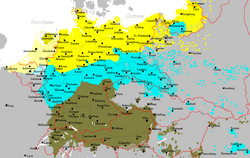
Key Facts
- Core Goal: Unification of all German-speaking and Germanic peoples into one state.
- Lesser Germany (Kleindeutschland): The 1871 solution that excluded Austria to create a Prussian-led empire.
- Greater Germany (Großdeutschland): The alternative vision that included Austria and other German-speaking regions.
- Pan-German League: An ultra-nationalist organization founded in 1891 promoting imperialism and antisemitism.
- Heim ins Reich: The Nazi policy of "bringing home to the empire" ethnic Germans from foreign territories.
- Anschluss: The 1938 annexation of Austria into Nazi Germany.
Etymology and Conceptual Origins
The term is derived from the Greek prefix pan, meaning "all" or "all-inclusive." The word "German" stems from the Latin Germani, a term used by Julius Caesar to describe tribes in northeastern Gaul. By the Late Middle Ages, the term expanded to encompass speakers of Germanic languages. In the English language, the specific term "Pan-German" first appeared in 1892.
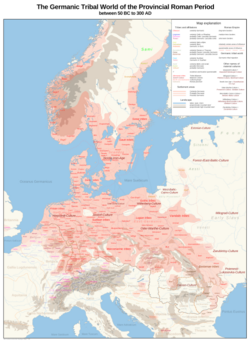
The Struggle for Unification: Greater vs. Lesser Germany
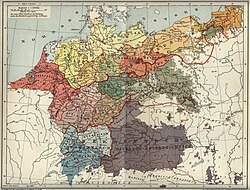
Before 1860, advocates of the Großdeutschland solution sought to unite all German-speakers under the leadership of the Austrian Empire. This sentiment was shared by prominent figures such as the Brothers Grimm and Richard Wagner. Some theorists argued for German hegemony in Central and Eastern Europe, viewing the 9th-century Ostsiedlung (Germanic expansion into Slavic and Baltic lands) as a natural Drang nach Osten (drive to the east) to secure Lebensraum (living space).
The Rise of Prussia and the 1871 Empire
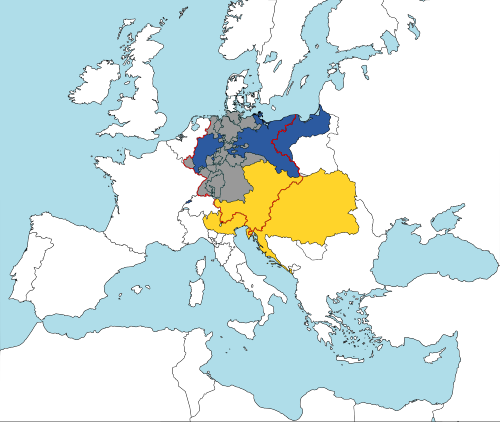
By the 1860s, Prussia and Austria emerged as the dominant powers. While Austria was a multi-ethnic state, Prussia, under Otto von Bismarck, pursued a strategy of nationalism to unite northern German lands. Following the war of 1866, Bismarck excluded Austria from the unification process.
This resulted in the 1871 proclamation of the German Empire, known as the Kleindeutsche Lösung (Lesser Germany solution). While this created a powerful Prussian-dominated state, it left millions of German-speakers in Austria-Hungary and other regions outside the national border, while simultaneously ignoring the self-determination of non-German subjects like Poles and Danes within the new empire.
Institutionalization and Radicalization
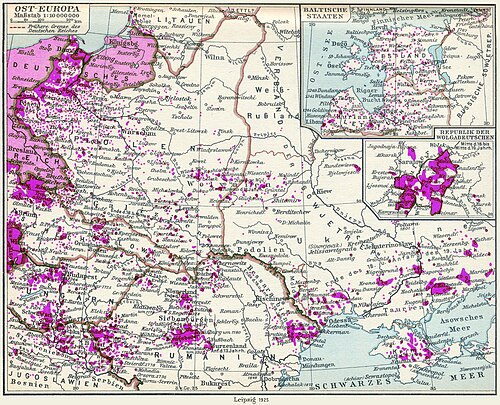
Despite the 1871 unification, the desire to integrate German Austrians remained strong. In 1891, Professor Ernst Hasse founded the Pan-German League. This organization shifted the movement toward ultra-nationalism, promoting imperialism, antisemitism, and the protection of ethnic German minorities abroad. It found significant support among the educated middle and upper classes.
In Austria, radical figures like Georg Ritter von Schönerer promoted a völkisch (ethnic/racial) brand of nationalism. This movement often rejected Roman Catholicism in favor of Lutheranism or Old Catholicism through the "Away from Rome!" movement, seeking a purely Germanic identity separate from the multi-ethnic Habsburg monarchy.
Pan-Germanism in Scandinavia
The ideology extended beyond Central Europe to include North Germanic-speaking Scandinavians. Jacob Grimm argued that Jutland was originally German and should be reclaimed, a view that contributed to the First Schleswig War in 1848. While this was rejected in Denmark, pan-Germanic tendencies were more prevalent in the Norwegian independence movement, supported by figures such as Henrik Ibsen and Bjørnstjerne Bjørnson.
The Nazi Era (1918–1945)
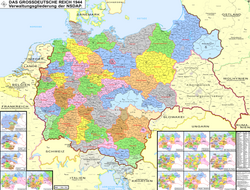
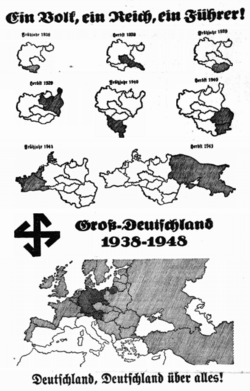
Adolf Hitler adopted and radicalized these pan-German visions in Mein Kampf. The Nazi Party (NSDAP) utilized the legacy of the Holy Roman Empire (the "First Reich") to legitimize their claims. Hitler viewed the Holy Roman Empire's borders as a basis for territorial revisionism, aiming to repeal the Peace of Westphalia and establish a "Greater Germanic Reich."
This ideology manifested in the 1938 Anschluss (annexation) of Austria and the subsequent pursuit of Heim ins Reich. By the latter stages of World War II, some Waffen-SS leaders proposed a broader European union under German hegemony to combat Bolshevism, though Himmler maintained a stricter racial Pan-Germanic vision.
![Boundaries of the planned "Greater Germanic Reich" based on various, only partially systematised target projections (e.g. Generalplan Ost) from state administration and the SS leadership sources[28]](/images/2f/ee/2fee18bcbe0da240efe953bf9c8c78b6a62c87f4b7a6903b007fbbcd97a2791a.png)
Summary of Pan-Germanist Concepts
| Concept | Primary Goal | Key Leadership/Driver | Outcome/Result |
|---|---|---|---|
| Kleindeutschland | Unification excluding Austria | Prussia (Otto von Bismarck) | German Empire (1871) |
| Großdeutschland | Unification including Austria | Austrian Empire / Pan-Germanists | Ideological goal; realized via Nazi Anschluss (1938) |
| Pan-Germanic | Unification of all Germanic speakers | Pan-German League / Nazi Party | Expansionist policies of WWII |
Frequently Asked Questions
What is the difference between Lesser Germany and Greater Germany?
Lesser Germany (Kleindeutschland) refers to the unification of German states under Prussian leadership that excluded Austria. Greater Germany (Großdeutschland) refers to the vision of a state that included all German-speaking populations, specifically including Austria.
How did Pan-Germanism lead to World War II?
The ideology provided the justification for Nazi Germany's expansionist policies, such as the annexation of Austria (Anschluss) and the pursuit of Lebensraum (living space) in Eastern Europe to unify all ethnic Germans.
Who was the Pan-German League?
Founded in 1891 by Ernst Hasse, the Pan-German League was an ultra-nationalist organization that promoted imperialism, antisemitism, and the unification of all German-speaking peoples.
Did Pan-Germanism affect countries outside of Germany and Austria?
Yes. It influenced the Norwegian independence movement and caused diplomatic and military tension in Denmark, particularly regarding the status of Schleswig and Holstein.
What happened to Pan-Germanism after 1945?
Following the defeat of Nazi Germany, Pan-Germanism fell out of favor due to its strong association with Nazi atrocities. This allowed Austria to develop a distinct national identity separate from Germany.