Pakistan Air Force: History, Fleet, and Strategic Operations
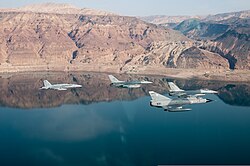
The Pakistan Air Force (PAF) serves as the aerial warfare branch of the Pakistan Armed Forces. Established on August 14, 1947, the PAF has evolved from a modest fleet into a sophisticated modern force dedicated to safeguarding the nation's airspace. With a motto that describes it as "A symbol of pride for the nation," the PAF operates a diverse array of combat, transport, and reconnaissance aircraft to maintain regional stability and national security.
Headquartered at Air Headquarters (AHQ) in Islamabad, the force maintains a robust operational structure comprising approximately 70,000 active personnel and 8,000 reserves. Its strategic reach is managed through several regional commands, including the Air Defence Command in Rawalpindi and the Southern Air Command in Karachi.
Key Facts
- Founded: August 14, 1947.
- Personnel: 70,000 active and 8,000 reserve members.
- Primary Role: Aerial warfare and national airspace defense.
- Headquarters: Sector E-9, Islamabad.
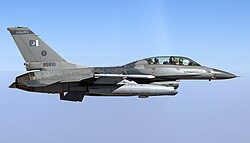
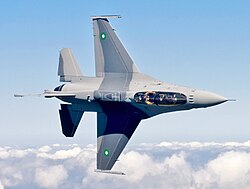
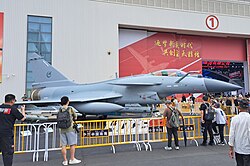
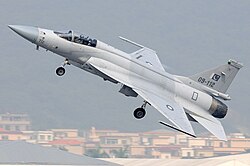
- Key Aircraft: F-16, JF-17, and Chengdu J-10C.
- Air Force Day: Celebrated annually on September 7.
Operational History and Major Conflicts
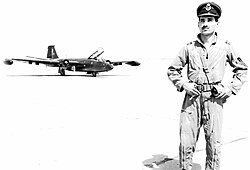
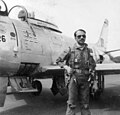
Since its inception, the PAF has been involved in numerous high-stakes engagements. Its early years were defined by the formative challenges of a new nation, followed by significant involvement in the Indo-Pakistani Wars of 1947-49, 1965, and 1971. The 1965 conflict, in particular, remains a cornerstone of PAF history, highlighted by the exploits of pilots like M.M. Alam, known as the "Little Dragon."
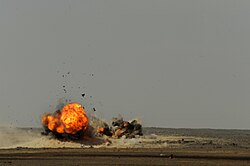
Beyond regional conflicts, the PAF has played a critical role in international and internal security. This includes support during the Soviet-Afghan War, NATO logistics operations, and extensive counter-insurgency efforts in North-West Pakistan through operations such as Zarb-e-Azb and Radd-ul-Fasaad. More recently, the PAF has conducted airstrikes in Afghanistan and Iran to address border security and militant threats.
Fleet and Equipment
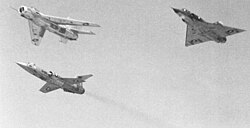
The PAF utilizes a tiered fleet strategy, combining Western technology with Chinese partnerships to ensure versatility in combat and surveillance.
Combat and Interceptor Aircraft
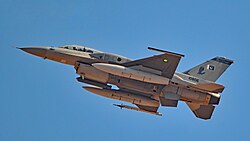
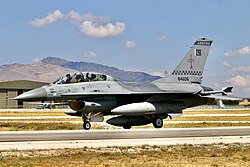
The backbone of the PAF's fighter force consists of the F-16 Fighting Falcon, the JF-17 Thunder (a joint venture with China), and the advanced Chengdu J-10C. These aircraft provide multi-role capabilities, from air superiority to precision ground strikes.
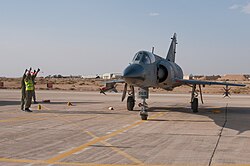
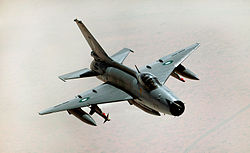
The force also maintains a legacy of Mirage III and V aircraft, which continue to serve in various roles, including reconnaissance and ground attack.
Special Mission and Support Aircraft
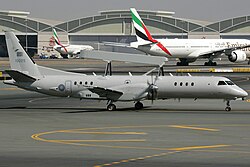
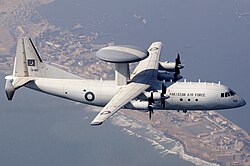
To enhance situational awareness, the PAF employs AWACS (Airborne Warning and Control System) aircraft, such as the Saab 2000 Erieye and the ZDK-03. These platforms act as flying radars, coordinating air battles in real-time.
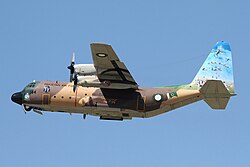
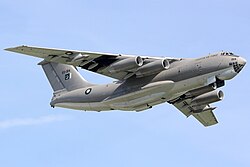
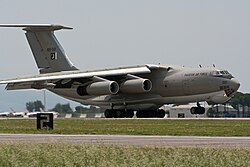
Logistical support is provided by a fleet of C-130 Hercules and Ilyushin Il-78 tankers, the latter providing essential aerial refueling to extend the range of fighter jets.
Trainers and Helicopters
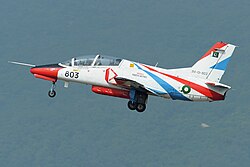
Pilot training is conducted using a variety of aircraft, including the MFI-17 Mushshak and the Hongdu JL-8. For rotary-wing operations, the PAF relies on the AW139 and Mi-171 helicopters for transport and search-and-rescue missions.
Organizational Structure and Training
The PAF is structured to ensure rapid response and continuous professional development. Training is centralized in prestigious institutions such as the Pakistan Air Force Academy in Risalpur and the Air War College in Karachi. The force also operates several specialized commands, including the PAF Cyber Command and the PAF Space Command, reflecting the shift toward modern, multi-domain warfare.
The PAF maintains a vast network of flying bases, including Base Mushaf in Sargodha and Base Masroor in Karachi, ensuring comprehensive coverage of the national territory.
| Category | Key Aircraft/Systems | Primary Role |
|---|---|---|
| Fighters | F-16, JF-17, J-10C | Air Superiority & Attack |
| Interceptors | F-7PG | Rapid Response Defense |
| AWACS | Saab 2000 Erieye, ZDK-03 | Electronic Warfare & Surveillance |
| Transport | C-130, L-100 | Logistics & Troop Movement |
| Tankers | Ilyushin Il-78 | Aerial Refueling |
| UCAVs | Burraq, Wing Loong II, TB2 | Unmanned Combat/Surveillance |
Frequently Asked Questions
When was the Pakistan Air Force founded?
The Pakistan Air Force was founded on August 14, 1947, coinciding with the independence of Pakistan.
What are the primary fighter jets used by the PAF?
The primary fighter aircraft include the F-16 Fighting Falcon, the JF-17 Thunder, and the Chengdu J-10C.
What is the role of AWACS in the PAF?
AWACS (Airborne Warning and Control System) aircraft, like the Saab 2000 Erieye, provide long-range surveillance and command-and-control capabilities to manage aerial operations.
Where is the PAF headquarters located?
The Air Headquarters (AHQ) is located in Sector E-9, Islamabad.
What is the significance of September 7 for the PAF?
September 7 is celebrated as Air Force Day, commemorating the PAF's role and bravery during the Indo-Pakistani War of 1965.