Oriental Orthodox Churches
The Oriental Orthodox Churches represent a distinct communion of autocephalous (self-governing) churches within Eastern Christianity. With a membership estimated between 57 million and 86 million as of recent reports, this communion is defined by its ancient roots, diverse liturgical traditions, and a specific theological stance that separates it from both the Roman Catholic and Eastern Orthodox churches.
These churches are often referred to as Non-Chalcedonian or Miaphysite churches, terms that describe their rejection of the Council of Chalcedon in 451 AD. While they share a common faith, they are rich in cultural diversity, utilizing languages such as Coptic, Ge'ez, Armenian, Classical Syriac, and Malayalam.
Key Facts
- Theological Stance: Recognizes only the first three ecumenical councils (Nicaea, Constantinople, and Ephesus).
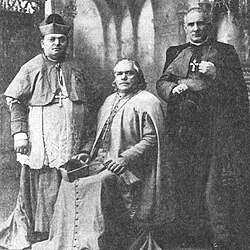
- Major Churches: Includes the Coptic, Ethiopian, Armenian, Syriac, Eritrean, and Malankara Orthodox churches.
- Largest Member: The Ethiopian Orthodox Tewahedo Church is the largest by population.
- Governance: Operates under an episcopal polity (governed by bishops).
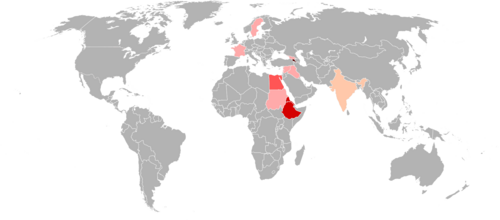
- Global Presence: Strongest presence in Egypt, Ethiopia, Eritrea, Armenia, Syria, and India (Kerala).
History and the Great Schism
The Road to Chalcedon
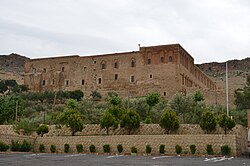
The roots of the Oriental Orthodox communion trace back to the 1st century, following the tradition of the teachings of Jesus Christ. For the first few centuries, the church operated as a unified body under the Roman state church. However, theological tensions regarding the nature of Christ began to emerge.
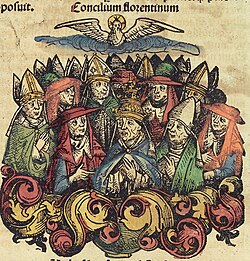
The definitive break occurred in 451 AD at the Council of Chalcedon. The council declared that Christ existed in two distinct natures—divine and human. The Egyptian church and its allies disagreed with this formulation, leading to a schism. This group embraced Miaphysitism, the belief that Christ has one single, unified nature where divinity and humanity are perfectly joined without confusion.
Survival and Adaptation
Following the schism, these churches faced periods of isolation and persecution from the Byzantine and Roman authorities. This was further complicated by the Islamic conquests of the Middle East and North Africa, which shifted the political landscape for Coptic and Syriac Christians.
In later centuries, the churches navigated complex relationships with Western missions and internal shifts. A significant modern development occurred in 1993 when the Eritrean Orthodox Church sought and received autocephalous status from the Coptic Orthodox Church, separating from the Ethiopian Orthodox Church while maintaining a close bond of brotherhood.
Organization and Liturgical Rites
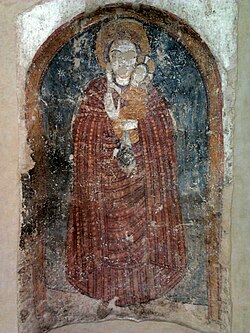
The Oriental Orthodox communion is organized into several autocephalous churches, each maintaining its own rite and liturgical language.
The Alexandrian and Ge'ez Rites
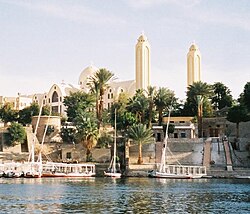
The Coptic Orthodox Church of Alexandria serves as a primary center for the Alexandrian Rite, utilizing the Coptic language. Closely linked are the Ethiopian Orthodox Tewahedo Church and the Eritrean Orthodox Tewahedo Church, which utilize the Ge'ez Rite and language.
The West Syriac and Armenian Rites
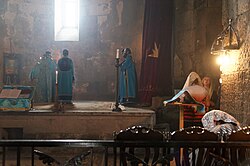
The Syriac Orthodox Church of Antioch and the Malankara Orthodox Syrian Church (located primarily in Kerala, India) follow the West Syriac Rite. Meanwhile, the Armenian Apostolic Church maintains its own unique Armenian Rite, governed through the Mother See of Holy Etchmiadzin and other patriarchates.
Theology and Worship
The defining characteristic of Oriental Orthodoxy is its adherence to the first three ecumenical councils: Nicaea (325), Constantinople (381), and Ephesus (431). By rejecting the fourth council (Chalcedon), they maintain a Christology that emphasizes the unity of Christ's person.
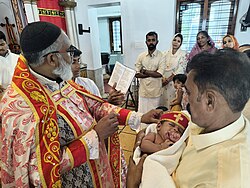
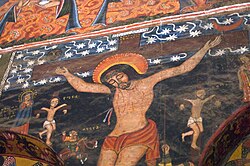
Worship is deeply traditional, involving rich iconography and ancient liturgies. In some traditions, such as the Coptic and Ethiopian churches, certain cultural practices like male circumcision are maintained as part of a broader regional and religious heritage.
Modern Ecumenical Relations
In the late 20th century, the Oriental Orthodox churches began a process of reconciliation with other Christian bodies. Significant milestones include:
- 1986: A common Christological agreement between the Coptic and Roman Catholic churches.
- 1990: An agreement between the Malankara Orthodox Syrians and the Roman Catholic Church.
- 1996: A common declaration between the Armenian Apostolic Church and the Roman Catholic Church.
While dialogue with the Greek Orthodox churches of Alexandria, Antioch, and Romania has been positive, full communion with the broader Eastern Orthodox world remains a work in progress.
Summary of Member Churches
| Church | Rite | Primary Language | Estimated Members (Self-Reported) |
|---|---|---|---|
| Ethiopian Orthodox Tewahedo | Ge'ez | Ge'ez / Local | 60,000,000 |
| Coptic Orthodox | Alexandrian | Coptic / Local | 12,000,000 |
| Armenian Apostolic | Armenian | Armenian | 9,308,000 |
| Syriac Orthodox | West Syriac | Classical Syriac | 1,430,000 |
| Malankara Orthodox Syrian | Malankara | Malayalam | 2,000,000 |
| Eritrean Orthodox Tewahedo | Ge'ez | Ge'ez / Local | 2,000,000 |
Frequently Asked Questions
What does "Non-Chalcedonian" mean?
It refers to churches that do not accept the decisions of the Council of Chalcedon (451 AD), specifically the definition that Christ exists in two distinct natures.
How do Oriental Orthodox churches differ from Eastern Orthodox churches?
The primary difference is Christological; Oriental Orthodox churches are Miaphysite (one unified nature), whereas Eastern Orthodox churches are Dyophysite (two distinct natures). They also differ in which ecumenical councils they recognize.
Which is the largest Oriental Orthodox church?
The Ethiopian Orthodox Tewahedo Church is the largest, with self-reported membership reaching up to 60 million people.
What languages are used in Oriental Orthodox liturgies?
Depending on the church, liturgies are conducted in Coptic, Classical Syriac, Ge'ez, Armenian, Malayalam, Koine Greek, and various local languages.
Are the Oriental Orthodox churches in communion with the Pope?
They are not in full communion with the Roman Catholic Church, but they have signed several common Christological declarations since the 1980s to resolve historical theological disputes.