Organization of Ibero-American States: Advancing Education, Science, and Culture
The Organization of Ibero-American States (OEI), formally known as the Organization of Ibero-American States for Education, Science and Culture, is a prominent international body dedicated to fostering cooperation among 23 sovereign states. These nations, primarily located in Europe and the Americas with one member in Africa, share deep linguistic and cultural ties. While the organization focuses on Iberophone nations—those where Spanish or Portuguese are spoken—it also includes Andorra, a predominantly Catalan-speaking state.
Headquartered in Madrid, Spain, the OEI serves as a bridge for the exchange of knowledge and values, ensuring that member states can collaborate effectively to improve the quality of life for their citizens through intellectual and cultural development.
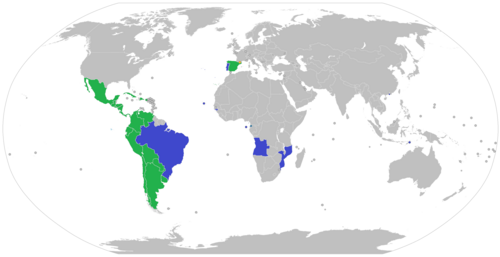
Key Facts
- Founded: 1949 (originally as the Office of Latin American Education).
- Membership: 23 sovereign states across Europe, the Americas, and Africa (Equatorial Guinea).
- Headquarters: Madrid, Spain.
- Primary Focus: Education, science, technology, and the arts.
- Languages: Spanish, Portuguese, and Catalan.
- Current Leader: Secretary General Mariano Jabonero.
- Economic Reach: Estimated total GDP (PPP) of $15 trillion by 2025.
History and Evolution
The OEI began its journey in 1949 as the Office of Latin American Education, established following the first Latin American Education Congress in Madrid. The organization evolved significantly over the following decades. In 1954, during the second congress in Quito, it was decided that the entity should transition into an intergovernmental organization of sovereign states.
The first formal statutes were implemented on March 15, 1957, in Santo Domingo. After further congresses in Madrid (1979) and Lima (1983), a pivotal extraordinary meeting took place in Bogotá in May 1985. This meeting resulted in the organization adopting its current name and expanding its objectives. By December 1985, the directive council in Panama approved the current statutes and regulations that govern the OEI today.
Since the 1991 Ibero-American Summit in Guadalajara, the OEI has played a central role in executing scientific, cultural, and educational programs and promoting conferences among ministers of education.
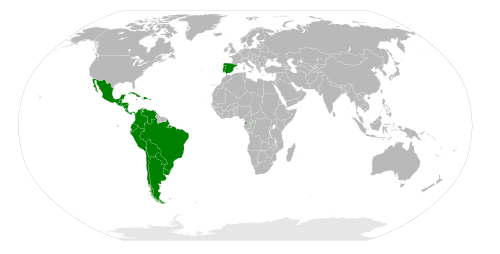
Core Objectives
The primary mission of the OEI is to promote intergovernmental cooperation to strengthen knowledge, solidarity, and peace among Ibero-American peoples. Its goals are multifaceted, focusing on the intersection of society and progress:
- Education and Human Rights: Developing education for peace and preparing citizens to preserve freedom and human rights.
- Systemic Improvement: Collaborating to ensure education systems are democratic, socially fair, productive, and prepare individuals for professional life.
- Cultural Identity: Diffusing a common culture while respecting the unique identity of each member state.
- Science and Technology: Promoting the equitable distribution of technological concepts and facilitating the relationship between science and society.
- Linguistic Promotion: Spreading the Spanish and Portuguese languages and encouraging bilingual education.
- Intercontinental Exchange: Facilitating the exchange of political, economic, and cultural influences between Europe and Ibero-America.
Organizational Structure
The OEI operates through three primary governing bodies that ensure its policies are effectively implemented:
General Assembly
As the supreme authority, the General Assembly consists of representatives from all member states. It is responsible for establishing overall policies, approving the global budget and activity plans, fixing annual dues, and electing the Secretary General.
Directive Council
The Directive Council manages the government and administration of the OEI. Composed of ministers of education (or their representatives), it is led by the education minister of the country hosting the next General Assembly. Its main role is to analyze and approve financial statements and biennial budgets.
General Secretariat
The General Secretariat acts as the executive director, representing the OEI to international organizations and governments. It is responsible for the direct administration and execution of the organization's projects, utilizing a flexible internal structure to adapt to changing strategies.
OEI Statistical Overview
| Metric | Detail |
|---|---|
| Total Member States | 23 |
| Total Land Area | 21,462,574 km² (8,286,746 sq mi) |
| Estimated Population (2005) | 712,974,000 |
| Population Density | 61.09/km² (158.2/sq mi) |
| Estimated Total GDP PPP (2025) | $15 trillion |
| GDP Per Capita (2025 Est.) | $23,960 |
Frequently Asked Questions
What is the main purpose of the OEI?
The OEI aims to promote intergovernmental cooperation among its member nations, specifically focusing on the advancement of education, science, technology, and the arts to foster peace and integration.
Which languages are officially recognized by the OEI?
The organization operates in Spanish, Portuguese, and Catalan.
How is the OEI funded?
Funding is derived from obligatory quotas and voluntary contributions provided by the governments of member nations, as well as private foundations and educational and cultural institutions.
Who is the current leader of the organization?
The current Secretary General of the OEI is Mariano Jabonero.
Does the OEI include all Spanish and Portuguese speaking countries?
No, while it includes all sovereign states of Ibero-America and the Iberian Peninsula, as well as Equatorial Guinea, it does not include all Iberophone nations in the world.