Order of the Garter: History and Traditions of Britain's Most Noble Order
The Most Noble Order of the Garter stands as the pinnacle of the British honours system. As a dynastic order awarded at the monarch's pleasure, it represents the oldest and most prestigious order of chivalry in the United Kingdom. Founded in the 14th century, it blends medieval military tradition with modern royal diplomacy, serving as a symbol of loyalty and high achievement.
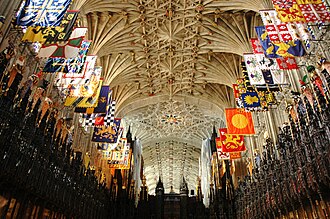
The Order is centered around St George's Chapel at Windsor Castle, where its members are installed and their banners are displayed. From its origins as a circle of elite knights to its current role as a mark of royal and national distinction, the Garter continues to be one of the most recognizable symbols of the British Crown.
Key Facts
- Founded: Traditionally 1348 by King Edward III.
- Sovereign: King Charles III.
- Membership: Limited to 24 companion knights and ladies, plus supernumerary royal members.
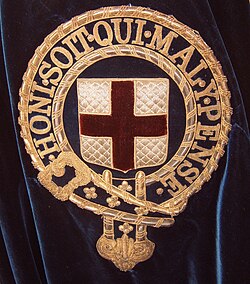
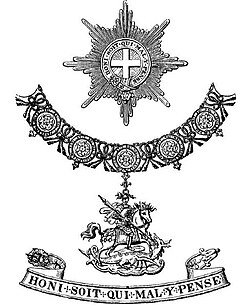
- Motto: Associated with the Garter, though the Order is primarily defined by its status as a dynastic honour.
- Precedence: Ranked below the George Cross and above the Order of the Thistle.
Historical Origins
The Order was established by King Edward III around the time of his claim to the French throne. While 1348 is the traditionally accepted date of formal proclamation, some historical records, including The Complete Peerage, suggest it may have been instituted as early as April 23, 1344. Evidence from the King's wardrobe accounts indicates that Garter habits were first issued in the autumn of 1348.
Historians believe Edward III may have been inspired by the Castilian Order of the Band, established around 1330. The original statutes required that all members already be knights (known today as knights bachelor) before induction.
The Founder Knights
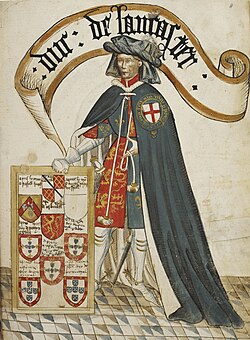
The Order began with a select group of 26 knights, including King Edward III himself, Edward the Black Prince, and Henry of Grosmont. These founding members formed the bedrock of the Order's chivalric identity, blending military prowess with courtly loyalty.
Composition and Membership
Membership in the Order is divided into several classes, all abbreviated as KG or LG: Royal Knights/Ladies, Stranger Knights/Ladies Companion, and Knights/Ladies Companion.
Supernumerary Members
To prevent the royal family from occupying all available slots for non-royal companions, King George III introduced "Royal Knights and Ladies of the Garter" in 1786. These are supernumerary members, meaning they do not count toward the 24-companion limit. This statute was expanded in 1805 and 1831 to include descendants of King George II and King George I, respectively.
Ladies of the Garter
The Order has evolved to include women in prominent roles. In 2022, Baroness Valerie Amos became the first black Lady Companion in the Order's history. Furthermore, on June 18, 2024, Baroness Eliza Manningham-Buller became the first Lady Companion to be appointed as the Chancellor of the Order.
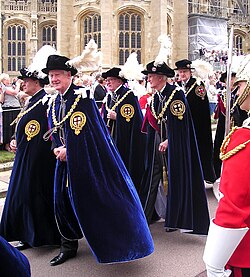
The Officers of the Order
The administration of the Order is managed by a group of high-ranking officers. The role of Chancellor, once held by the Bishop of Salisbury and later the Bishop of Oxford, is now held by one of the Order's companions.
- Prelate: The Bishop of Winchester (ex officio).
- Chancellor: Currently Baroness Manningham-Buller.
- Register: The Dean of Windsor (ex officio).
- King of Arms: The Garter Principal King of Arms (ex officio).
- Secretary: Lieutenant Colonel Stephen Segrave.
- Usher: The Gentleman Usher of the Black Rod (ex officio).
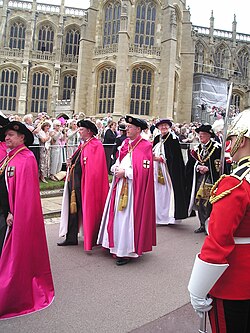
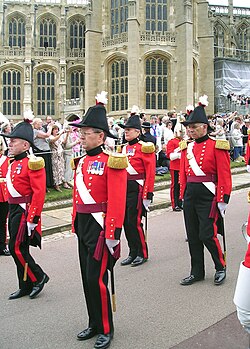
Military Knights of Windsor
At the Order's inception, 26 "poor knights" (bedesmen) were attached to the chapel. Over time, this number fluctuated, reaching 13 by the 17th century before King Charles II increased it to 18 in 1660. In the 19th century, King William IV renamed them the Military Knights of Windsor after the knights expressed a dislike for the term "poor."
Insignia and Ceremonial Dress
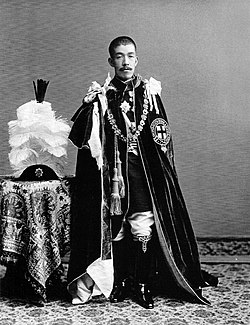
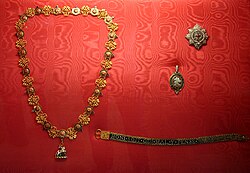
The regalia of the Order is rich in symbolism and gold. The most prominent piece is the collar, a gold chain weighing 30 troy ounces (0.933 kg) consisting of heraldic knots and enamelled medallions of the Tudor rose.
For less formal occasions, members wear the riband, a four-inch wide sash worn from the left shoulder to the right hip. Originally light blue, the color was officially fixed as "kingfisher blue" in 1950.
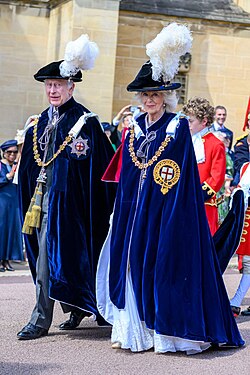
The Garter Service
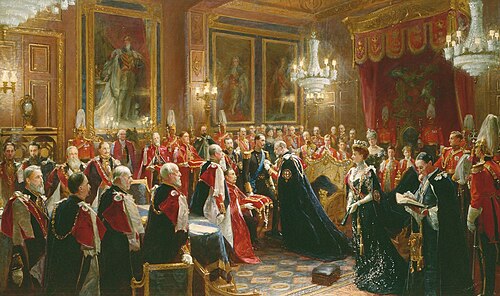
The annual Garter service and the formal installation of knights take place at St George's Chapel. While formal installations ceased in 1805, they were reinstated in 1948 to mark the Order's 600th anniversary. Members' banners are displayed within the chapel as a lasting mark of their membership.
Degradation and Removal
Membership is not always permanent. During World War I, several monarchs and princes of enemy nations—including Kaiser Wilhelm II of Germany and Emperor Franz Joseph I of Austria—were struck from the roll in 1915. Similarly, the banners of King Victor Emmanuel III and Emperor Hirohito were removed during World War II, though Elizabeth II restored Hirohito's knighthood in 1971.
More recently, on October 30, 2025, Andrew Mountbatten-Windsor was struck from the roll and his banner removed due to controversies surrounding his association with Jeffrey Epstein.
| Feature | Detail |
|---|---|
| Founder | King Edward III |
| Established | c. 1348 |
| Sovereign | King Charles III |
| Companion Limit | 24 (excluding supernumeraries) |
| Primary Chapel | St George's Chapel, Windsor |
| Key Insignia | Gold Collar, Kingfisher Blue Riband, Garter Star |
Frequently Asked Questions
Who is the current Sovereign of the Order of the Garter?
The current Sovereign is King Charles III.
How many companions can be members of the Order?
There is a limit of 24 companion knights and ladies, though this does not include supernumerary members, such as Royal Knights and Ladies.
What is the significance of the "kingfisher blue" color?
Kingfisher blue is the official color of the riband (sash) worn by members, a standard that was formally fixed in 1950.
Can women be members of the Order of the Garter?
Yes. The Order includes Ladies Companion, and Baroness Eliza Manningham-Buller became the first female Chancellor of the Order in 2024.
What happens if a member is "struck off the roll"?
When a member is degraded or struck off, their appointment is annulled and their banner is removed from St George's Chapel.
What are the Military Knights of Windsor?
They are a group of knights attached to the Order and its chapel, originally known as "poor knights" at the time of the Order's founding.