Order of St John: History, Structure, and Global Mission
The Most Venerable Order of the Hospital of St John of Jerusalem is a distinguished order of chivalry dedicated to the service of humanity. While its spiritual and historical roots reach back to the medieval era, the modern order was formally chartered in the 19th century. Today, it operates as a global organization focused on providing medical services and charitable aid, guided by the motto Pro Fide Pro Utilitate Hominum (For the Faith and in the Service of Humanity).
The order is inextricably linked to two major humanitarian pillars: the St John Ambulance Brigade, established in 1887, and the St John Ophthalmic Hospital in Jerusalem, founded in 1882. Together, these institutions translate the order's chivalric ideals into practical, life-saving medical care.
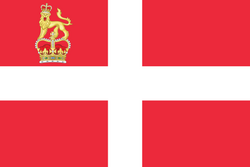
Key Facts
- Established: 1888 (Modern Charter).
- Sovereign Head: King Charles III.
- Grand Prior: The Duke of Gloucester.
- Primary Mission: Service to the sick and injured through the St John Ambulance and the St John Ophthalmic Hospital.
- Eligibility: Based on service to the order.
- Global Reach: Active across the Americas, Africa, Asia Pacific, Europe, and the Middle East.
Historical Origins and Emergence
The order traces its lineage to the Knights Hospitaller, the oldest surviving chivalric order, believed to have been founded in Jerusalem in 1099. Over centuries, this lineage evolved, with the Hospitallers later becoming known as the Order of Malta.
The modern iteration began with a faction that emerged in France during the 1820s. This group moved to Britain in the early 1830s, operating under various names and grand priors. By the late 19th century, this movement solidified into the current order, coinciding with the establishment of its primary medical missions in Jerusalem and the creation of the Ambulance Brigade.
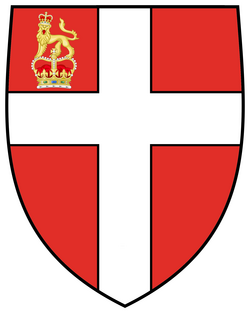
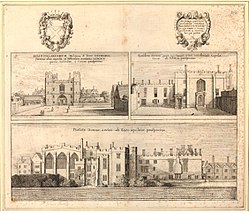
Organizational Structure and Governance
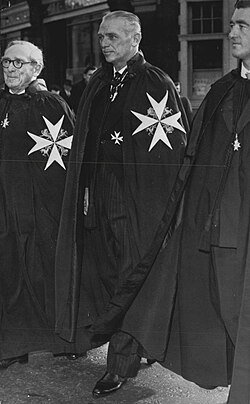
The Order of St John is governed by a strict hierarchy of officers and grades, ensuring a structured approach to its charitable administration.
Leadership
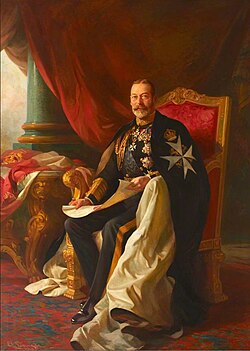
At the apex is the Sovereign Head, currently King Charles III. The Grand Prior, currently the Duke of Gloucester, oversees the order's direction, supported by the Lord Prior (currently Mark Compton). The governance structure also includes a Prelate and various Deputy Lord Priors.
Grades of Membership
Membership is divided into five distinct grades, each with specific post-nominal letters and insignia:
- Bailiff/Dame Grand Cross (GCStJ): The highest grade.
- Knight/Dame of Justice or Grace (KStJ/DStJ): Senior members recognized for significant service.
- Commander/Chaplain (CStJ/ChStJ): Mid-level leadership and spiritual guidance.
- Officer (OStJ): Recognized for dedicated service.
- Member (MStJ): The foundational grade of the order.
Global Presence and Priories
The order operates through a network of priories and commanderies, allowing it to integrate with national honors systems and local laws.
Canada
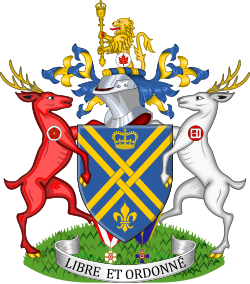
Though presence in Canada dates back to 1648 via Charles de Montmagny, the modern organization was established in Quebec City in 1883. The Priory of Canada, established in 1946, is the largest outside the UK. The Governor General serves as the prior and chief officer, while lieutenant governors act as vice-priors.
United States
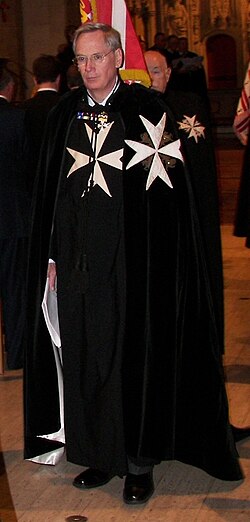
An American Society was formed in 1957 to support the St John Ophthalmic Hospital. In 1996, Queen Elizabeth II officially created the Priory of the United States of America. To ensure compatibility with U.S. law, American members pledge obedience to the order's authorities only in ways consistent with their duties as U.S. citizens.
International Associations
The order maintains associations in numerous regions, including:
- Americas: Antigua, Barbados, Bermuda, Dominica, Grenada, Guyana, Jamaica, Saint Lucia, and Trinidad and Tobago.
- Africa: Eswatini, Ghana, Mauritius, Malawi, Nigeria, Tanzania, Uganda, Zambia, and Zimbabwe.
- Asia Pacific: Fiji, India, Papua New Guinea, Solomon Islands, and Sri Lanka.
- Europe and Middle East: Cyprus, Gibraltar, and Malta.
Insignia and Vestments
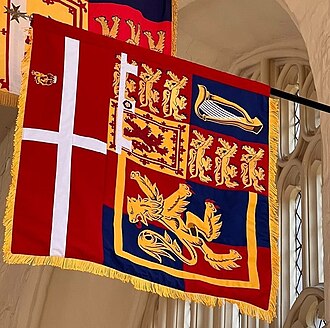
The insignia of the Order of St John are carefully regulated based on grade and occasion. The primary materials used are enamel, silver, and gold.
| Grade | Insignia Diameter | Primary Material | Wear Location |
|---|---|---|---|
| Bailiff/Dame Grand Cross | 82.5 mm | Enamel/Gold | Left hip / Right shoulder ribbon |
| Knight/Dame of Justice | 57.2 mm | Silver/Gold | Neck ribbon (Men) / Bow (Women) |
| Knight/Dame of Grace | 57.2 mm | Silver | Neck ribbon (Men) / Bow (Women) |
| Commander | 44.4 mm | Silver | Neck ribbon (Men) / Bow (Women) |
| Officer/Member | Varies | Silver | Left breast medal bar |
Higher grades (Bailiffs, Dames Grand Cross, and Knights/Dames of Justice) are also entitled to wear a breast star, which ranges from 76 mm to 88.9 mm in diameter.
Frequently Asked Questions
How does the Order of St John differ from the Order of Malta?
While both trace their origins to the medieval Knights Hospitaller, the Most Venerable Order of the Hospital of St John of Jerusalem is a modern order chartered in the 19th century, whereas the Sovereign Military Order of Malta is the direct continuation of the original Catholic military order.
Who is the current head of the Order?
The Sovereign Head of the Order is King Charles III.
What are the requirements for joining the Order?
Eligibility is based on service to the order. New inductees must recite the organization's declaration, and those who are Christians recite an additional religious pledge.
How is the order's precedence handled in different countries?
The order of wear varies by state. For example, in Australia, it follows the Medal of the Order of Australia (OAM), while in Canada, it follows the Member of the Royal Victorian Order (MVO).
What is the role of the Governor General in Canada?
The Governor General serves as the prior and chief officer of the Order of St John in Canada, automatically becoming a Knight or Dame of Justice upon assuming office.