Ofudesaki: The Sacred Teachings of Miki Nakayama
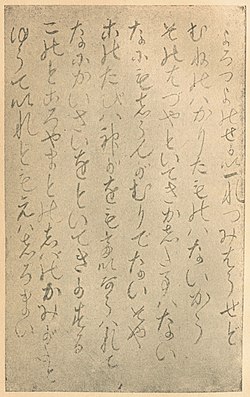
The Ofudesaki serves as a foundational spiritual text written by Nakayama Miki starting in 1869. At its core, the text describes a developmental journey toward the perfection of the Tsutome (the Service), which is presented as the sole means through which human salvation can be realized. Through a series of verses, the Ofudesaki explores the profound relationship between God, humanity, and the universe.
The text is not merely a theological treatise but a practical guide addressing the purpose of human existence, the nature of good and evil, and the causes of illness. It blends millenarian themes—beliefs regarding a future fundamental transformation of society—with socio-ethical principles. To convey these complex truths, Miki Nakayama utilized a variety of literary styles, ranging from simple metaphors and allegories to direct instructions tailored for specific individuals of her time.
Key Facts
- Primary Goal: The perfection of the Tsutome (the Service) for human salvation.
- Author: Written by Nakayama Miki beginning in 1869.
- Core Themes: Human existence, the definition of good and evil, the cause of illness, and eschatology.
- Key Concepts: The Joyous Life, the Kanrodai, and the purification of the mind (sweeping away the dust).
- Structure: Divided into 17 parts covering the origin of the world and the path to salvation.
Thematic Structure of the Ofudesaki
The Ofudesaki is organized into 17 distinct parts, as outlined in Nakayama Shōzen's Ofudesaki Haidoku no Tebiki. The progression moves from introductory concepts to the specific mechanics of the Service and the nature of the Divine.
Foundations and Purification
The early sections (Parts 1–3) introduce the Service and its blessings. A recurring theme is the concept of dust—spiritual impurities that cloud the mind. The text emphasizes "replacing the mind" and "sweeping the dust away" to purify the heart, which is essential for gathering the Service performers and preparing the Residence.
The Path to the Joyous Life
Parts 4 through 6 focus on the "three standpoints" and the construction of a "broad path" for humanity. This involves spreading the teachings of God the Parent to transition from a narrow path of suffering to a broad path of spiritual growth. The goal is the realization of the Joyous Life, achieved by leaning on God and understanding the truth of the Jiba (the spot of origin).
Divine Providence and the Kanrodai
The latter sections (Parts 7–17) delve into the nature of Tsukihi (the sun and moon, representing God) and the significance of the Kanrodai (the Stand for the Gift of Heaven). These sections address the "regret" of God the Parent over human opposition and the necessity of single-hearted salvation. The text uses specific examples, such as the bodily disorders of Kokan and Shuji, to illustrate how physical illness can serve as a catalyst for self-reflection and faith.
| Section | Primary Focus | Key Concepts |
|---|---|---|
| Parts 1–3 | Introduction & Purification | Sweeping the dust, the Service, and the heart. |
| Parts 4–6 | The Broad Path | God the Parent, the Jiba, and the Joyous Life. |
| Parts 7–10 | Divine Nature & The Kanrodai | Tsukihi, the Gift of Heaven, and the origin of the world. |
| Parts 11–17 | Practical Salvation & Proof | Bodily disorders, single-hearted salvation, and the Salvation Service. |
Frequently Asked Questions
What is the primary purpose of the Ofudesaki?
The primary purpose is to guide humanity toward the perfection of the Tsutome (the Service), which is described as the only way to achieve human salvation and the Joyous Life.
What does "sweeping the dust" mean in the text?
"Sweeping the dust" refers to the process of purifying the mind and heart by removing selfish thoughts and spiritual impurities, allowing a person to align their mind with the intention of God the Parent.
Who is Tsukihi?
Tsukihi refers to the sun and moon, serving as a name for God the Parent who rules over everything and desires the salvation of all human beings.
What is the significance of the Kanrodai?
The Kanrodai is the Stand for the Gift of Heaven, located at the Jiba. It is central to the Service and represents the point of origin and the means of universal salvation.
How does the Ofudesaki view illness?
The text suggests that disorders of the body can be a form of guidance from God, urging individuals to engage in self-reflection, cast away human thinking, and develop faith in the teachings of Oyasama.