Nutrition Science: The Biochemical Foundations of Life
Nutrition is the fundamental biochemical and physiological process through which an organism utilizes food and water to sustain life. By consuming various substances, organisms acquire nutrients—essential components that can be metabolized to generate energy and build complex chemical structures. Whether an organism is a microscopic bacterium or a complex human being, the balance of these nutrients is critical; too much or too little can lead to malnutrition.
Nutritional science, the rigorous study of these processes, focuses heavily on human health, but the principles of nutrient acquisition span the entire biological spectrum. From plants absorbing sunlight to animals consuming organic matter, the methods of obtaining life-sustaining elements vary wildly across the tree of life.

Key Facts
- Nutrients are divided into macronutrients (required in large amounts) and micronutrients (required in trace amounts).
- Essential nutrients are those the body cannot synthesize on its own and must be obtained through diet.
- Autotrophs produce their own nutrients from inorganic substances, while heterotrophs must consume other organisms.
- Metabolism involves using nutrients for energy, building molecules, and constructing cellular structures.
- Nutrient cycles, such as the carbon and nitrogen cycles, ensure the continuous movement of matter through ecosystems.
The Building Blocks: Understanding Nutrients
Nutrients serve two primary purposes: providing energy and supplying the physical components necessary for growth and reproduction. Most organic matter is composed of approximately 30 elements, with nitrogen, carbon, and phosphorus playing the most vital roles.
Macronutrients vs. Micronutrients
Nutrients are categorized by the quantity required by the organism:
- Macronutrients: These are the primary substances required in large quantities. In animals, these include carbohydrates, lipids, and proteins.
- Micronutrients: These are required in trace amounts. Organic micronutrients are known as vitamins, while inorganic micronutrients are known as minerals.
Imbalances in macronutrients can have significant health implications. Over-nutrition is a primary driver of obesity and increases the risk of non-communicable diseases (NCDs), such as type 2 diabetes, hypertension, and coronary heart disease.
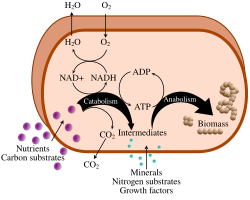
Metabolic Processes
Once absorbed by cells, nutrients undergo several biochemical reactions to sustain life:
- Fueling reactions: Creating energy and precursor metabolites.
- Biosynthetic reactions: Converting precursors into building block molecules.
- Polymerizations: Combining molecules into macromolecule polymers.
- Assembly reactions: Using those polymers to construct cellular structures.
Nutritional Strategies Across Species
Organisms are classified based on how they obtain carbon and energy. This diversity allows life to thrive in almost every environment on Earth.
Energy and Carbon Acquisition
- Autotrophs: Organisms that produce their own nutrients from inorganic substances like carbon dioxide.
- Heterotrophs: Organisms that obtain carbon by consuming other organisms.
- Mixotrophs: Organisms, such as certain plankton, that can function as both autotrophs and heterotrophs.
- Phototrophs: Organisms that derive energy from light.
- Chemotrophs: Organisms that obtain energy from chemical matter.
Diverse Biological Groups
Animals are heterotrophs that can be herbivores (plant-eaters), carnivores (meat-eaters), or omnivores (eating both). Many animals require complex nutrients like carbohydrates, lipids, and proteins. For example, obligate carnivores must consume meat to obtain specific vitamins their bodies cannot produce.

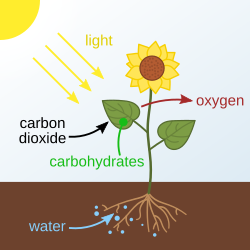
Plants occupy a different niche; they do not consume food for energy but instead use photosynthesis to convert sunlight into usable energy via chloroplasts. They acquire necessary minerals through the soil and atmosphere.
Fungi act as chemoheterotrophs. They typically use a root-like structure called a mycelium to absorb nutrients. By excreting extracellular enzymes, they break down surrounding organic matter—whether it is living (parasitic), dead (saprophytic), or part of a mutual exchange (symbiotic).

Nutrient Cycles and Ecosystems
While energy flow in an ecosystem is a unidirectional pathway, the movement of mineral nutrients is cyclic. A nutrient cycle is a biogeochemical process where inorganic matter moves through soil, organisms, air, and water, being exchanged for organic matter.
| Nutrient Group | Primary Function | Energy Content (per gram) |
|---|---|---|
| Carbohydrates | Energy storage and fuel | 4 Calories |
| Lipids (Fats) | Long-term energy storage | 9 Calories |
| Proteins | Cellular structure, enzymes, and repair | 4 Calories |
Frequently Asked Questions
What is the difference between an essential and a nonessential nutrient?
An essential nutrient is a substance that the body cannot synthesize on its own, meaning it must be obtained through diet to maintain health.
How do plants differ from animals in nutrient acquisition?
Animals are heterotrophs that must consume other organisms to obtain energy and carbon. Plants are autotrophs that use photosynthesis to convert sunlight into energy and absorb minerals from their environment.
What are the main causes of malnutrition?
Malnutrition can be caused by having too little of an essential nutrient (deficiency) or too much of a macronutrient (over-nutrition), which can lead to obesity and various chronic diseases.
What is a nutrient cycle?
A nutrient cycle is a biogeochemical cycle, such as the nitrogen or carbon cycle, where mineral nutrients are continually recycled through the soil, air, water, and living organisms.
Why are vitamins and minerals categorized differently?
They are categorized by their chemical nature: organic micronutrients are classified as vitamins, while inorganic micronutrients are classified as minerals.