Non-Citizen Travel Documents: Types and International Conventions
For most people, a passport is a document issued by their country of nationality. However, many individuals—such as refugees or stateless persons—cannot obtain a standard passport from their home state. To ensure these individuals can still travel internationally, various countries issue non-citizen travel documents. Also known as alien's passports or certificates of identity, these documents allow non-citizens residing within a country's borders to verify their identity and cross international boundaries.
While these documents serve a similar purpose to standard passports, they are governed by different legal frameworks and often carry different visa requirements. Depending on the holder's legal status, these documents may be based on international treaties or national laws.
Key Facts
- Purpose: Issued to non-citizens (aliens) who are stateless or unable to obtain a passport from their state of nationality.
- 1951 Convention: Specifically for refugees; recognized by 145 countries.
- 1954 Convention: Specifically for stateless persons; recognized by 89 countries.
- Standards: Non-Convention documents still adhere to ICAO (International Civil Aviation Organization) standards for identity verification.
- Visa Rules: Visa requirements for these documents typically differ from those of standard national passports.
International Convention Travel Documents
Many countries align their travel documents with international agreements to ensure wider global acceptance. The two most prominent are the 1951 and 1954 Conventions.
1951 Convention Travel Documents (Refugees)
A 1951 Convention travel document, often called a refugee travel document, is issued to individuals recognized as refugees under the 1951 Convention Relating to the Status of Refugees. Currently, 145 countries are parties to this Convention, and 146 are parties to the 1967 Protocol Relating to the Status of Refugees.
The United States is a notable exception as it is not a party to the Convention. However, it still provides travel documents to lawful permanent residents via a U.S. Re-entry Permit or a refugee travel document under the 1967 Protocol.
1954 Convention Travel Documents (Stateless Persons)
For those who are not considered nationals by any state, the 1954 Convention travel document is issued in accordance with the 1954 Convention Relating to the Status of Stateless Persons. This convention is currently recognized by 89 countries.
A critical distinction between these and refugee documents is that a certificate of identity for a stateless person does not automatically entitle the holder to readmission into the issuing country in many jurisdictions.
Non-Convention and National Travel Documents
Not all non-citizen documents are based on international conventions. Some states issue their own versions of travel documents for foreign residents based on national policy. These are still designed to meet ICAO standards for international identity documents.
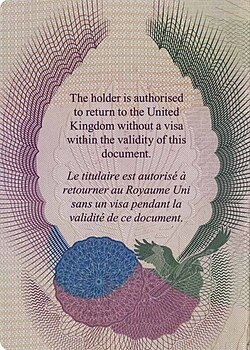
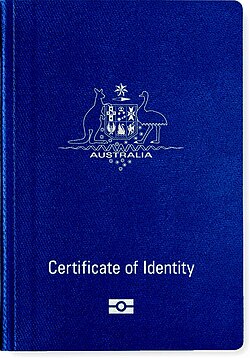
In mainland Europe and Scandinavia, these are frequently called Alien's Passports or Passports for Foreigners. Brazil also utilizes similar documentation. In the United Kingdom and other Commonwealth nations, these were historically known as Certificates of Identity, though the UK now refers to them as a Certificate of Travel.
A British Certificate of Travel is specifically issued to non-British residents of the UK who do not qualify for either the Refugee or Stateless person travel documents.
Additionally, some states may issue certificates of identity to their own citizens to serve as emergency passports or as a substitute for a standard passport.
Summary of Travel Document Types
| Document Type | Primary Recipient | Legal Basis | Key Characteristic |
|---|---|---|---|
| 1951 Convention Document | Refugees | 1951 Convention / 1967 Protocol | Widely recognized by 145+ countries |
| 1954 Convention Document | Stateless Persons | 1954 Convention | Recognized by 89 countries |
| Alien's Passport / Certificate of Travel | Foreign Residents | National Law | Meets ICAO standards; varies by country |
Frequently Asked Questions
What is the difference between a refugee travel document and a stateless person's document?
The refugee travel document is based on the 1951 Convention and is for those fleeing persecution, while the stateless person's document is based on the 1954 Convention for those who have no nationality. Additionally, stateless person documents may not always guarantee readmission to the issuing country.
Do non-citizen travel documents follow the same visa rules as regular passports?
No, visa requirements for alien's passports and certificates of identity are generally different from those applied to standard national passports.
Can a citizen receive a certificate of identity?
Yes, some states issue certificates of identity to their own citizens as a form of emergency passport or as a replacement for a standard passport.
Are non-Convention travel documents accepted internationally?
Yes, although they are not based on a specific international treaty, they are designed to meet ICAO standards for international identity documents to facilitate travel.
Does the United States issue 1951 Convention travel documents?
The United States is not a party to the 1951 Convention, but it provides travel documents to lawful permanent residents through U.S. Re-entry Permits or refugee travel documents under the 1967 Protocol.