Noise Rock: The Evolution of Abrasive Sound and Experimental Distortion
Noise rock is a provocative subgenre of rock music that challenges traditional notions of melody and harmony. Emerging as a distinct force in the late 1970s and early 1980s, the genre is defined by the fusion of rock instrumentation with noise—specifically extreme levels of guitar distortion and feedback. By prioritizing texture and dissonance over conventional song structures, noise rock artists create a visceral auditory experience that pushes the boundaries of the electric guitar.
Key Facts
- Core Sound: Characterized by heavy distortion, atonality, and the intentional use of feedback.
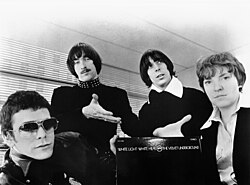
- Pioneering Album: The Velvet Underground's 1968 release White Light/White Heat is widely considered the genre's "ur-text."
- Dual Origins: The genre split between art-based avant-garde influences and abrasive, punk-rooted styles.
- Commercial Peak: Sonic Youth is the most commercially successful noise rock band, with the single "100%" reaching #4 on the US charts.
- Key Labels: Amphetamine Reptile and Touch and Go were pivotal in promoting the post-hardcore strain of the genre.
The Etymology and Definition of Noise Rock
The term "noise rock" is a literal combination of its two primary components: noise and rock music. While the sound evolved organically, the terminology appeared in music journalism as early as 1970, when writer John Kornblum used the phrase "psychedelic-noise-rock" in Record World. By 1972, Billboard magazine was discussing the influence of Germany's krautrock (an experimental German rock scene) on English bands, questioning if America was the next step for "teutonic noise rock."
Stylistic Branches: Art-Rock vs. Pigfuck
Noise rock is not a monolith; it generally refers to two distinct stylistic strains. The first is rooted in the late 1960s art scene, aligning with avant-garde (experimental or innovative) music and psychedelic rock. This approach was pioneered by bands such as the Velvet Underground, Red Krayola, and Les Rallizes Dénudés. These artists often treated the studio and the instrument as tools for sonic exploration.
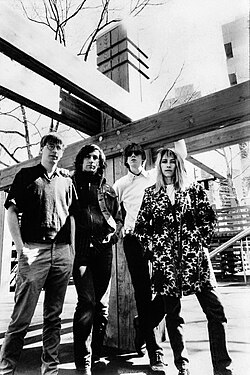
The second strain emerged in the early 1980s, rooted in post-punk and post-hardcore. Music critic Robert Christgau coined the term "pigfuck" to describe the abrasive sound of Sonic Youth. This label eventually expanded to include bands like Big Black, the Jesus Lizard, and Flipper. These groups focused on a more aggressive, visceral energy, often associated with the raw production styles of the American underground.
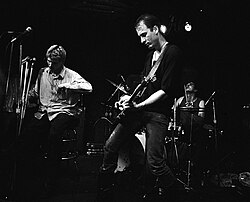
Sonic Youth famously bridged these two worlds. They combined punk's aggression with art-damaged techniques, such as using alternate guitar tunings and "prepared guitar" methods—which include playing the strings with unconventional objects like drumsticks.
Historical Evolution
The Forerunners (1960s)
Before noise rock was a named genre, garage and acid rock bands began experimenting with feedback. Artists like Jimi Hendrix, The Who, and Pink Floyd pushed guitar techniques toward the edge of noise. The Velvet Underground's White Light/White Heat served as a blueprint, with Lou Reed incorporating a discordant, atonal approach influenced by free jazz saxophonist Ornette Coleman.
The Rise of the Underground (1970s–1980s)
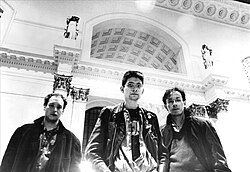
In the late 70s, the no wave scene in New York City—documented in Brian Eno's 1978 compilation No New York—introduced a nihilistic, abrasive approach. Bands like Teenage Jesus and the Jerks and DNA influenced the next generation of noise artists. By the 1980s, the genre solidified with the emergence of Big Black and Swans. Steve Albini, a key figure in the scene, helped define the era's harsh sonic palette.
Expansion and Diversification (1990s–2000s)
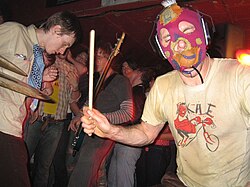
The 1990s saw noise rock merge with post-hardcore and heavy metal. Bands like Helmet and the Jesus Lizard brought a more structured but still willfully abrasive style to the forefront. In the 2000s, "noise punk" emerged, exemplified by the Providence-based duo Lightning Bolt, who performed high-energy sets centered around the Fort Thunder art venue.
Modern Era (2010s–Present)
Contemporary noise rock continues to evolve through acts like Gilla Band and Black Midi. Recent critically acclaimed works, such as Daughters' 2018 album You Won't Get What You Want, demonstrate the genre's enduring ability to innovate within the realm of extreme sound. Newer groups like Chat Pile continue to carry the torch of bleak, heavy sonic exploration.
Genre Summary and Relationships
| Category | Associated Styles/Bands |
|---|---|
| Stylistic Origins | Experimental rock, Punk, Garage rock, Krautrock, Industrial |
| Derivative Forms | Grunge, Post-hardcore, Math rock, Noise pop |
| Subgenres | Pigfuck, Shitgaze, Noisecore |
| Key Pioneers | The Velvet Underground, Sonic Youth, Big Black, Swans |
Frequently Asked Questions
What is the difference between noise rock and noisecore?
Noise rock is a broad genre that fuses rock music with noise and distortion. Noisecore is a more extreme subgenre of hardcore punk and noise music, typically characterized by extremely short tracks, lo-fi production, and an aggressive, often incomprehensible speed.
Who is considered the first noise rock band?
While many experimental groups contributed, the Velvet Underground is widely cited as the pioneer, particularly with their 1968 album White Light/White Heat, which is often called the genre's "ur-text."
What does the term "pigfuck" mean in music?
Coined by critic Robert Christgau, "pigfuck" was originally used to describe the sound of Sonic Youth. It eventually became a label for a specific strain of abrasive noise rock rooted in post-hardcore and post-punk.
How do noise rock guitarists achieve their sound?
They utilize extreme levels of distortion and feedback. Some artists, like Sonic Youth, use alternate tunings or "prepared guitar" techniques, such as inserting objects into the strings or using drumsticks to play the instrument.
Is noise rock related to grunge?
Yes, noise rock is listed as a stylistic precursor to grunge. The abrasive textures and distorted guitar work of noise rock influenced the development of the Seattle sound in the late 80s and early 90s.