Nikephoros II Phokas: The Warrior Emperor of Byzantium
Nikephoros II Phokas (c. 912 – 11 December 969) was a formidable military leader and the Byzantine emperor from 963 to 969. Known for his relentless campaigns in the East, he played a pivotal role in the 10th-century resurgence of the Byzantine Empire. His strategic brilliance in reclaiming lost territories earned him the fearsome nickname "pale death of the Saracens."
Key Facts
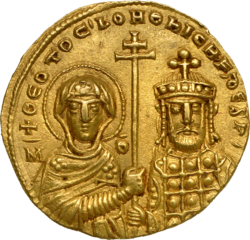
- Reign: 16 August 963 – 11 December 969.
- Major Achievements: Reconquest of Crete, Cyprus, and the completion of the conquest of Cilicia.
- Military Rank: Served as Domestic of the Schools (commander-in-chief of the eastern army).
- Death: Assassinated in a palace coup led by John Tzimiskes and Empress Theophano.
- Religious Status: Venerated as a saint in the Eastern Orthodox Church.
Early Life and Military Rise
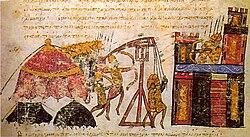
Born around 912 in Cappadocia, Nikephoros was immersed in military life from a young age. His ascent through the ranks was marked by high-level appointments, starting as the military governor (Strategos) of the Anatolikon Theme in 945 under Emperor Constantine VII.
By 954 or 955, Nikephoros was promoted to Domestic of the Schools, a position that placed him in command of the eastern Byzantine army. He succeeded his father, Bardas Phokas, and immediately shifted the tide of conflict against the Hamdanids of Aleppo and the Abbasids. His early successes, including the capture of Adata in 957, signaled a period of decline for the Hamdanid dynasty.
The Reconquest of Crete
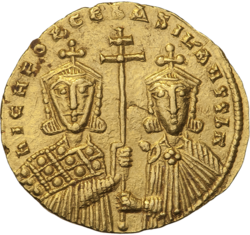
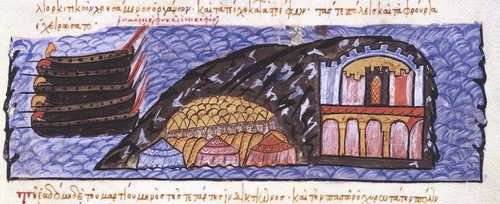
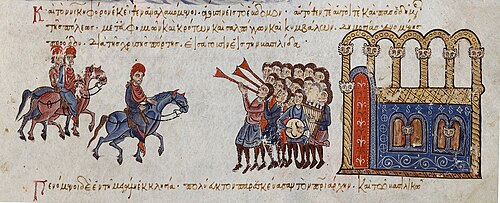
One of the most significant achievements of Nikephoros's career was the liberation of Crete. In 960, under the orders of Emperor Romanos II and the advice of minister Joseph Bringas, Nikephoros led a massive expedition consisting of 308 ships and 50,000 troops.
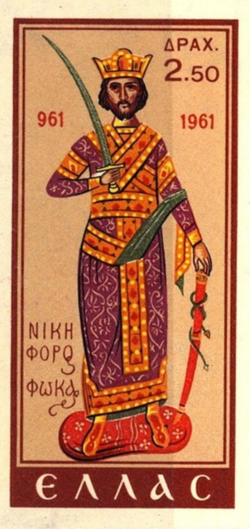
The campaign culminated in a grueling nine-month siege of the fortress town of Chandax. Despite severe supply shortages during the winter, Nikephoros successfully entered the city on 6 March 961, wresting control of the island from the Muslim Emirate. Although he was denied a formal triumph upon his return to Constantinople, he was granted an ovation in the Hippodrome.
Ascension to the Imperial Throne
The political landscape shifted abruptly on 15 March 963 with the unexpected death of Emperor Romanos II. The Empress Theophano became regent for her young sons, Basil II and Constantine VIII. Known for her ambition and intelligence, Theophano played a key role in the transition of power.
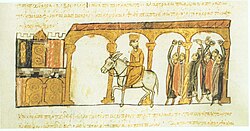
Nikephoros ascended the throne on 16 August 963, serving as Emperor and Autocrat of the Romans. His reign was characterized by a stark contrast between his ascetic personal lifestyle and the ruthless nature of his military and political maneuvers.
Imperial Campaigns and Territorial Expansion
Failures in the West
Nikephoros's military record was not without blemishes. In Sicily, he attempted to aid the stronghold of Rometta against the Fatimid caliphs. Despite sending a fleet of approximately 40,000 men, the Byzantine forces were routed at the Battle of the Straits. This defeat led to the fall of Rometta and completed the Islamic conquest of Sicily.
Triumphs in the East
While the West faltered, the East flourished. Between 964 and 965, Nikephoros led 40,000 men to conquer Cilicia. A key victory occurred on 16 August 965, when his cataphracts (heavy armored cavalry) routed the forces of Tarsus, leading to the city's surrender.
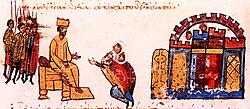
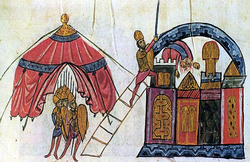
His ambitions extended further into Upper Mesopotamia and Syria. He annexed the Armenian state of Taron through diplomacy and conducted raids as far as Tripoli. His final major objective was the city of Antioch. After several attempts and a strategy of attrition to starve the city into submission, Antioch was finally taken in 969 by Michael Bourtzes through a surprise attack.
Civil Administration and Assassination
Nikephoros's reign ended in betrayal. His strict discipline and the dismissal of Michael Bourtzes for insubordination created powerful enemies. Simultaneously, his marriage to Theophano had become loveless. Historical accounts suggest Theophano entered into a secret affair with the general John Tzimiskes.
On 11 December 969, Tzimiskes and his conspirators entered the emperor's bedchamber through a door left unlocked by Theophano. Nikephoros was assassinated while praying to the Mother of God. Following the murder, Tzimiskes ascended the throne, and a subsequent revolt by the Phokas family was swiftly suppressed.
Legacy and Honors
Despite his violent end, Nikephoros II Phokas is remembered as a catalyst for the Byzantine Empire's military revival. He is venerated as a saint in the Eastern Orthodox Church, with his feast day on December 11. His military influence persists in the Praecepta Militaria, a treatise on warfare.
In modern Greece, his legacy is honored through various municipalities and streets, and the Hellenic Navy named a Kortenaer-class frigate, the Nikiforos Fokas F-466, in his honor.
| Category | Details |
|---|---|
| Reign Period | 963 – 969 AD |
| Key Territories Recovered | Crete, Cyprus, Cilicia |
| Major Military Unit | Cataphracts (Heavy Cavalry) |
| Successor | John I Tzimiskes |
| Spouse | Theophano |
Frequently Asked Questions
Why was Nikephoros II Phokas called the "pale death of the Saracens"?
He earned this sobriquet due to his highly successful and aggressive military campaigns against the Arab forces in the East, specifically his conquests in Cilicia and the recovery of Crete and Cyprus.
What was the significance of the conquest of Crete?
The reconquest of Crete in 961 removed a major Muslim stronghold that had long threatened Byzantine naval dominance and trade in the Mediterranean, marking a turning point in Byzantine maritime security.
How did Nikephoros II Phokas come to power?
Following the death of Emperor Romanos II in 963, Nikephoros ascended the throne during the regency of Empress Theophano, who acted on behalf of her young sons, Basil II and Constantine VIII.
Who was responsible for the assassination of Nikephoros II?
The assassination was carried out by John Tzimiskes and his entourage, with the complicity of Empress Theophano, who allegedly facilitated their entry into the emperor's bedchamber.
Is Nikephoros II Phokas recognized by the church?
Yes, he is venerated as a saint in the Eastern Orthodox Church, and his feast day is celebrated on December 11.