Nigerian Upper Class: A History of Power, Trade, and Social Stratification
The structure of Nigeria's social hierarchy is a complex tapestry woven from ancient traditions, colonial influences, and modern economic shifts. From the ancestral authority of the chieftaincy system to the rise of global billionaires, the Nigerian upper class has evolved from a rigid caste of hereditary leaders into a dynamic elite defined by education, trade, and political connection.
Key Facts
- The chieftaincy system is Nigeria's oldest continuously existing institution and the only class officially recognized by the government.
- The Saro and Amaro were freed slaves settled by the British who formed an early colonial middle class through trade and Western education.
- A distinct bourgeoisie (a middle class typically defined by its ownership of the means of production) emerged during the colonial era, separate from traditional chiefs.
- Modern wealth in Nigeria is often linked to a combination of hereditary trading legacies and strategic political ties.
- Social mobility in the pre-colonial era was possible but largely static compared to the theoretical mobility of the independent era.
Pre-Colonial Foundations: The Chieftaincy System
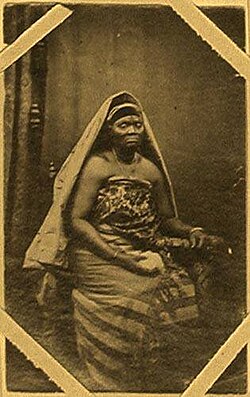
Long before colonial intervention, the Nigerian upper class was defined by the chieftaincy system. This traditional structure served as the primary mechanism for social organization and remains the only class officially recognized by the modern Nigerian government. While primarily hereditary, many of these systems integrated merchants into their hierarchy. A prime example is the Iyaloja title among the Yoruba people, which recognized the importance of trade within the traditional power structure.
During this era, society was stratified into chiefs, free individuals, and enslaved persons. While social mobility—such as moving from enslaved status to freedom, or from a free person to a chief—was technically possible across various tribes, the social structure remained largely static.
The Colonial Era and the Rise of the Nouveau Riche
The landscape of Nigerian social class shifted dramatically following the British abolition of the slave trade. The British settled freed slaves along the West African coast, creating two distinct communities: the Saro and the Amaro. Following the British annexation of Lagos in 1861, these groups leveraged "legitimate trade" to build a rising middle class.
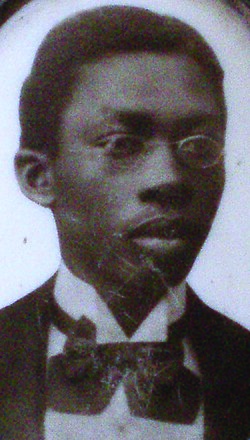
This emergent class was characterized by Western education, European fashion, and a penchant for high culture, including musical soirees and performances of Molière. Figures such as Mr. R.B. Blaize (a Saro) and Chief Candido da Rocha (an Amaro) became symbols of this class through their philanthropic efforts. Over time, some members of this bourgeoisie, including Chief Da Rocha, were eventually ennobled into the traditional chieftaincy system.
The Emergence of a Diverse Elite
Beyond the Saro and Amaro, a broader nouveau riche (newly wealthy) class began to coalesce. This group included large-scale traders like Alhaji Alhassan Dantata of the Hausa people and Sir Louis Odumegwu Ojukwu of an Igbo trading family. This colonial elite also expanded to include British-educated professionals, such as lawyers, doctors, clergymen, and civil servants. Some of these individuals, along with select traditional chiefs, were granted knighthoods by the British colonists.
The British utilized a dual approach to governance: they provided paternalistic support to the Western-educated bourgeoisie while using traditional chiefs as partners in the indirect rule system. The interaction between these two groups laid the groundwork for the modern Nigerian political elite.
Independent Nigeria and Modern Wealth
Upon gaining independence in 1960, the leadership of the new nation was drawn heavily from the established upper middle class. An example is Chief Funmilayo Ransome-Kuti, daughter of a Saro chief, who served in the Western Region's House of Chiefs.
In the decades following independence, the class system expanded. The synergy between the political elite and the business class, aided by favorable policy changes, generated immense wealth. This is evident in the success of contemporary billionaires such as Chief Mike Adenuga, Chief Folorunsho Alakija, and Alhaji Aliko Dangote—a descendant of Alhaji Dantata and the wealthiest Black man in the world.

Social Mobility and Challenges
While theoretical upward mobility has increased in independent Nigeria, the reality is often hindered by systemic issues. Corruption, nepotism, and cronyism have created a cycle of deprivation for many, even as national wealth grows. Interestingly, some members of the current proletariat (the working class) are descendants of the former chieftaincy or bourgeoisie who have "lost caste" over time.
| Era | Primary Power Source | Key Groups/Figures | Defining Characteristics |
|---|---|---|---|
| Pre-Colonial | Hereditary Title/Tradition | Traditional Chiefs, Iyaloja | Static stratification; official recognition. |
| Colonial | Trade & Western Education | Saro, Amaro, Professional Class | Westernization; emergence of the bourgeoisie. |
| Independent | Politics & Global Commerce | Political Elite, Modern Billionaires | High wealth concentration; political synergy. |
Frequently Asked Questions
What is the Nigerian chieftaincy system?
The chieftaincy system is Nigeria's oldest continuously existing social institution. It is a traditional hierarchy of titled leaders and is the only social class officially recognized by the Nigerian government.
Who were the Saro and Amaro?
The Saro and Amaro were communities of freed slaves settled by the British along the West African coast. They became a prominent colonial middle class through Western education and engagement in trade.
How did the colonial "nouveau riche" differ from traditional chiefs?
While traditional chiefs derived their power from hereditary titles and ancestral customs, the nouveau riche gained their status through commercial success in trade or professional achievements in fields like law and medicine, often supported by British education.
What factors influence social mobility in modern Nigeria?
While independence theoretically opened paths for upward mobility, actual progress is often obstructed by corruption, cronyism, and nepotism, which can trap individuals in cycles of deprivation despite overall national economic growth.
Which modern figures represent the Nigerian bourgeoisie?
Notable contemporary members include billionaires such as Aliko Dangote, Mike Adenuga, and Folorunsho Alakija, many of whom have ancestral links to trading families.