New Orleans R&B Pioneers and the Birth of Rock 'n' Roll
The musical landscape of New Orleans served as a fertile breeding ground for some of the most influential sounds in American history. By blending gospel, blues, and local parade rhythms, a group of visionary artists transformed the city into a hub for Urban Blues—a sophisticated, city-based evolution of the blues. From the recording booths of J&M Studio to the riverboats of the Mississippi, these musicians laid the essential groundwork for what would eventually become rock 'n' roll.
Key Facts
- Roy Brown pioneered the blend of gospel and blues, creating a signature "crying" vocal style.
- Dave Bartholomew was a pivotal bandleader and producer who co-wrote most New Orleans hits of the 1950s.
- Fats Domino is regarded as a "cornerstone" of rock 'n' roll, known for his triplet piano figures and nasal scat singing.
- Smiley Lewis provided the original recordings for hits later covered by Elvis Presley and Gale Storm.
- DeLuxe and Imperial Records were the primary labels that brought these local talents to national prominence.
The Architects of the New Orleans Sound
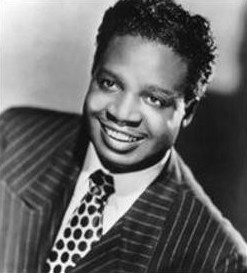
Roy Brown: The Gospel-Blues Pioneer
Roy Brown is credited as one of the primary architects of New Orleans Urban Blues. He was among the first to integrate gospel elements into the blues, characterized by a distinctive "crying" vocal delivery. His rise to fame began in March 1947 at the Rainbow Room, where Cecil Gant heard him perform "Good Rockin' Tonight." After an impromptu audition over the phone, Brown signed with DeLuxe Records and recorded the track at J&M Studio.
"Good Rockin' Tonight" became a massive success, allowing Brown and his band, "The Mighty Men," to tour the southwestern United States and California. Despite controversy in 1949—when the word "rock" was considered slang for sex—the song remained a hit after DeLuxe was sold to King Records. Brown continued his success into 1950 with "Hard Luck Blues" and other popular tracks such as "Boogie at Midnight" and "Party Doll."
Dave Bartholomew: The Mastermind Behind the Hits
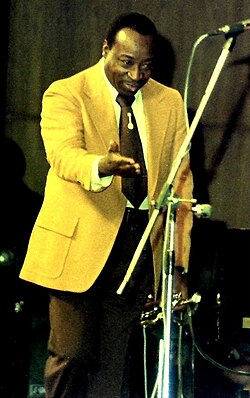
While many artists provided the voice, Dave Bartholomew provided the structure. A talented trumpet player and bandleader, Bartholomew began his career on the SS Capitol riverboat. During his military service in the 196th AGF band, he mastered the art of music arrangement, a skill that would define his professional legacy.
Returning to New Orleans, Bartholomew transitioned from performing—scoring a hit with "Country Boy" in 1949—to production and talent scouting. Throughout the 1950s, he became the city's most influential producer, arranging and co-writing the majority of the hits emerging from the region.
Paul Gayten and Smiley Lewis
Paul Gayten brought a trio to New Orleans in his early twenties, establishing a residency at the Club Robin Hood. In 1947, he collaborated with singer Annie Laurie to produce R&B hits like "True (You Don't Love Me)" for DeLuxe. Gayten's production expertise eventually led him to become the director for Chess Records.
Simultaneously, Overton Amos Lemons, known as Smiley Lewis, was making a name for himself with a powerful, unamplified voice and extensive range. Signed to DeLuxe in 1947 and later Imperial Records, Lewis found success with "I Hear You Knockin'" and "The Bells Are Ringing." Though often overshadowed by Fats Domino, Lewis's influence was vast; his song "One Night (of Sin)" was later recorded by Elvis Presley as "One Night (of Love)."
Fats Domino: The Cornerstone of Rock 'n' Roll
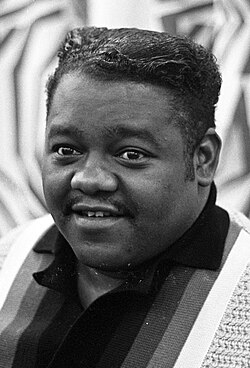
Fats Domino's journey to stardom began at the Hideaway Club, where Dave Bartholomew and Lew Chudd were impressed by his rendition of "Junkers Blues." Signed to Imperial Records in 1949, Domino's first session at J&M Studio produced "The Fat Man," a hit distinguished by his unique horn-like scat singing (vocal improvisation using nonsense syllables).
Domino's career reached new heights in 1952 when "Goin' Home" topped the R&B charts, followed by his career-defining hit, "Blueberry Hill." His style was a unique fusion of nasal scatting, warm tones, and Creole intonations, often anchored by triplet piano figures. By blending barrelhouse blues with parade rhythms, as heard in his cover of "Blue Monday," Domino helped define the "New Orleans sound." He also broke racial barriers in 1956 as the first black artist to appear on the Steve Allen Show.
Summary of Key New Orleans Artists
| Artist | Primary Role | Notable Work/Contribution | Key Label |
|---|---|---|---|
| Roy Brown | Singer | "Good Rockin' Tonight" | DeLuxe / King |
| Dave Bartholomew | Producer/Trumpeter | Arranged most 1950s NO hits | DeLuxe |
| Fats Domino | Singer/Pianist | "Blueberry Hill", "The Fat Man" | Imperial |
| Smiley Lewis | Singer/Guitarist | "I Hear You Knockin'" | DeLuxe / Imperial |
| Paul Gayten | Producer/Bandleader | "Since I Fell for You" | DeLuxe / Chess |
Frequently Asked Questions
Who is considered the pioneer of New Orleans Urban Blues?
Roy Brown is considered a pioneer of the genre, specifically for being one of the first singers to blend gospel elements into the blues, creating his signature "crying" sound.
What was the significance of the song "Good Rockin' Tonight"?
It was Roy Brown's biggest hit and a national success that helped launch his career and the tours of his band, "The Mighty Men," despite early controversy over the slang use of the word "rock."
How did Dave Bartholomew influence the New Orleans music scene?
Bartholomew was a versatile bandleader, arranger, and producer who scouted talent and co-wrote the majority of the hits coming out of New Orleans during the 1950s.
What musical elements defined Fats Domino's style?
Domino's sound was characterized by a blend of Creole intonations, warm tones, nasal scat singing, and the frequent use of triplet piano figures.
Which artists covered songs originally recorded by Smiley Lewis?
Elvis Presley recorded a version of Lewis's "One Night (of Sin)" titled "One Night (of Love)," and Gale Storm had a hit with a cover of "I Hear You Knockin'."