Neo-Babylonian Empire: The Rise and Fall of the Chaldean Dynasty
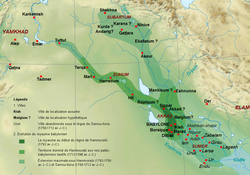
The Neo-Babylonian Empire, also known as the Second Babylonian Empire or the Chaldean Empire, represents the final era of native Mesopotamian monarchical rule. Spanning from 626 BC to 539 BC, this period marked a dramatic resurgence of power for the city of Babylon, which had not dominated the ancient Near East since the collapse of the Old Babylonian Empire under Hammurabi nearly a millennium prior.
This era was characterized by explosive economic growth, population increases, and a cultural renaissance. The Neo-Babylonian kings embarked on massive architectural projects that blended contemporary innovation with a revival of Sumero-Akkadian traditions from the previous 2,000 years.
Key Facts
- Duration: 626 BC – 539 BC.
- Capital: Babylon.
- Primary Languages: Akkadian and Imperial Aramaic.
- Founding Monarch: Nabopolassar.
- Most Famous Ruler: Nebuchadnezzar II.
- Successor State: Achaemenid Persian Empire.
Foundations and the Fall of Assyria
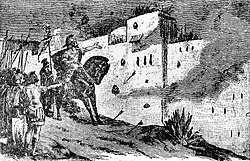
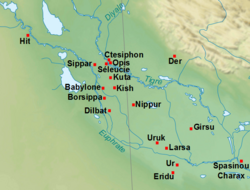
The empire began in November 626 BC when Nabopolassar was crowned King of Babylon, ending over a century of direct Assyrian rule. Nabopolassar successfully rallied southern cities, creating a stronghold that the Assyrian king Sinsharishkun could not dismantle.
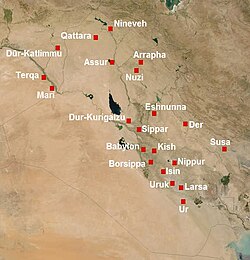
The tide turned decisively when the Medes, led by King Cyaxares, allied with Nabopolassar. This Medo-Babylonian coalition targeted the heart of the Assyrian Empire. In 612 BC, they besieged and sacked Nineveh, the Assyrian capital. The final remnants of Assyrian power were extinguished at the Battle of Harran in 609 BC, and the subsequent defeat of Egypt at Carchemish in 605 BC by crown prince Nebuchadnezzar solidified Babylonian hegemony.
The Reign of Nebuchadnezzar II
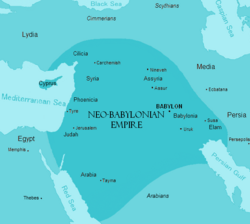
Nebuchadnezzar II (r. 605–562 BC) is perhaps the most renowned figure of this era. His reign was defined by aggressive expansion in the Levant to consolidate control over former Assyrian vassals. In 587 BC, his forces destroyed Jerusalem, ending the Kingdom of Judah and initiating the Babylonian Captivity, during which the Jewish elite were forcibly relocated to Babylon.
Nebuchadnezzar's military ambitions extended to the coast, where he besieged the island city of Tyre for 13 years. While he lacked the naval power to capture the city by force, Tyre eventually surrendered in 573 BC as a vassal state. There is also evidence suggesting campaigns against Egypt around 568–567 BC, though these results were likely inconclusive.
Society, Culture, and Architecture
![9th-century BC depiction from a cylinder seal of the Statue of Marduk, Babylon's patron deity Marduk's main cult image in the city[55]](/images/58/e5/58e5c05e5aa5ff2bac10a899d22f1dded5bda334b378fb34c9612c75cf2dded5.jpg)
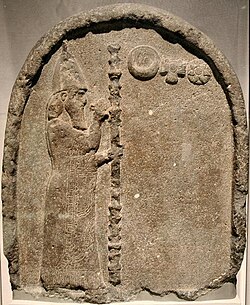
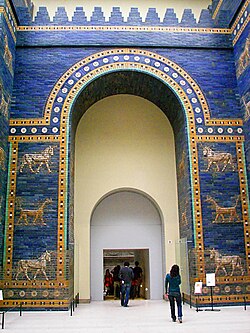
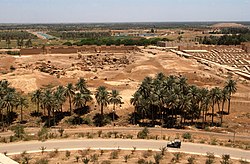
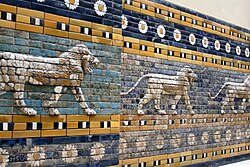
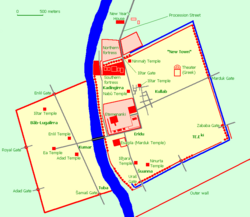
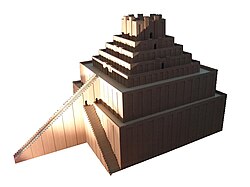
The Neo-Babylonian period was a golden age of monumental architecture. The city of Babylon became a marvel of the ancient world, featuring the Ishtar Gate (constructed c. 575 BC) and the Etemenanki, a massive ziggurat (a stepped temple tower).
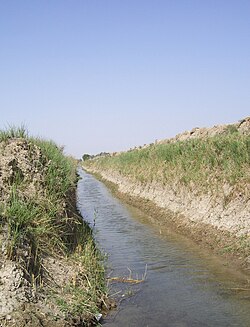
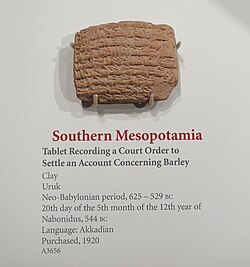
The empire's economy was supported by a complex administrative structure and an extensive irrigation system. The military was largely supplied by temple dependents known as širāku. These soldiers, primarily farmers (ikkaru), served as archers equipped with bows and daggers. Evidence from the Ebabbara temple in Sippar indicates that temples could mobilize up to 14% of their dependents during crises.
Summary of the Neo-Babylonian Empire
| Category | Details |
|---|---|
| Capital City | Babylon |
| Key Monarchs | Nabopolassar, Nebuchadnezzar II, Nabonidus |
| Major Achievements | Ishtar Gate, Etemenanki, Cultural Renaissance |
| Military Focus | Levantine expansion, Temple-based levies |
| End of Empire | Conquered by Cyrus the Great (539 BC) |
The Fall of Babylon and Persian Rule
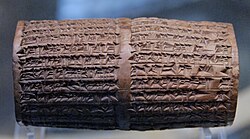
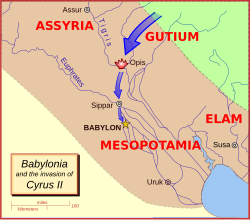
The empire's decline culminated in 539 BC when Cyrus the Great of the Achaemenid Persian Empire invaded Babylonia. While the early Persians treated Babylonia with respect—viewing it as a separate kingdom in a personal union—the local population remained resentful.
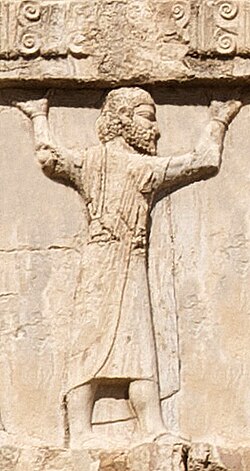
Over the following centuries, several rebels attempted to restore native rule. The revolt of Shamash-eriba against Xerxes I was particularly disastrous; ancient sources suggest that Xerxes punished the city by destroying its fortifications and damaging its temples. It is believed that the statue of Marduk, the patron deity of Babylon, may have been removed from the Esagila temple during this period.
Frequently Asked Questions
Who founded the Neo-Babylonian Empire?
The empire was founded by Nabopolassar, who was crowned King of Babylon in 626 BC and led the revolt against Assyrian rule.
What was the Babylonian Captivity?
The Babylonian Captivity refers to the period following the destruction of Jerusalem in 587 BC, when Nebuchadnezzar II deported the elite citizens of the Kingdom of Judah to Babylon.
What were the primary languages spoken in the empire?
The common languages of the Neo-Babylonian Empire were Akkadian and Imperial Aramaic.
How was the Neo-Babylonian army organized?
The army relied heavily on levies from temples. These soldiers, often farmers, served primarily as archers and were organized into decuries (groups of ten) led by a commander.
How did the empire end?
The empire ended in 539 BC when it was conquered by the Achaemenid Persian Empire under the leadership of Cyrus the Great.