Nationality and Citizenship: Legal Status and International Rights
While often used interchangeably in casual conversation, nationality and citizenship represent distinct legal relationships between an individual and a state. At its core, nationality is the legal status of belonging to a particular nation—defined as a group of people organized under one legal jurisdiction or united by a common culture, history, and origin.
In the realm of international law, nationality serves as a legal identification that establishes a person as a national of a sovereign state. This status is mutually beneficial: it grants the state jurisdiction over the individual and provides the individual with the protection of that state when dealing with other nations.

Key Facts
- Nationality is an international legal identification; citizenship is a domestic legal relationship.
- Citizens typically possess political rights, such as voting, which may not be extended to all nationals.
- Citizenship by investment allows wealthy individuals to acquire passports through financial contributions, ranging from $100,000 to €2.5 million.
- Statelessness occurs when no state considers an individual a national under its law.
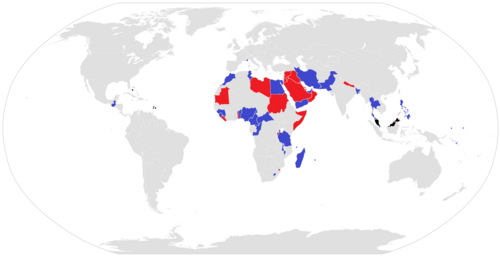
- Gender-based disparities exist globally regarding the ability of mothers to confer nationality on children or spouses.
Nationality versus Citizenship
The technical difference between these two terms lies in the scope of the legal relationship. Nationality refers to the international legal dimension within an interstate system, while citizenship is largely confined to the national dimension of a specific state.
The most significant distinguishing feature is political participation. Citizens generally have the right to vote or stand for election. While most modern countries ensure that all nationals are citizens, and all full citizens are nationals, there are exceptions where individuals hold nationality without full citizenship rights.
| Country | Form of Nationality | Description |
|---|---|---|
| United Kingdom | British nationalities (except British Citizen) | Various forms of nationality without full rights |
| Latvia | Non-citizens | Specific legal status for non-citizens in Latvia |
| Estonia | Undefined citizenship | Individuals with undefined citizenship status |
| Taiwan (ROC) | National without household registration | Nationals lacking specific registration rights |
| United States | US nationals (non-citizens) | Individuals who are nationals but not citizens |
| Uruguay | Non-national citizens | Specific legal classification in Uruguay |
Determining Factors and Legal Protections
Nationality is typically acquired through birth or naturalization. However, some states offer economic citizenship, where individuals can invest in property, businesses, or government bonds to obtain a passport. These schemes are often controversial due to their nature as financial transactions for legal status.
To prevent the hardship of statelessness—a condition where a person is not recognized as a national by any state—numerous international instruments have been established. These include the Universal Declaration of Human Rights (Article 15), the Convention Relating to the Status of Stateless Persons, and the Convention on the Reduction of Statelessness.

Conferment of Nationality and Gender Equality
The laws governing how nationality is passed to children or spouses vary significantly by region and are often influenced by gender. In many jurisdictions, the ability of a parent to confer nationality depends on whether they are the father or the mother.
In the Americas, countries like Canada, Mexico, and the United States generally allow both mothers and unmarried fathers to confer nationality on their children. In contrast, many countries in Africa and Asia have historically had more restrictive laws, though some are evolving. For example, Iran recently approved amendments allowing women married to foreigners to request nationality for their children under 18.
Frequently Asked Questions
What is the main difference between a national and a citizen?
A national is a person recognized by a state under international law, granting them state protection. A citizen is a national who also possesses full political rights within that state, such as the right to vote or hold public office.
Can a person be a national but not a citizen?
Yes. Some countries have legal categories for "non-citizen nationals" who owe allegiance to the state and are protected by it but cannot participate in its political processes.
What is citizenship by investment?
This is a process where individuals acquire citizenship and a passport by making a significant financial contribution to a country, such as buying government bonds or investing in local businesses.
What does it mean to be stateless?
Statelessness occurs when an individual is not considered a national by any state under the operation of its law, often leaving them without access to basic legal protections and travel documents.
How does gender affect the conferment of nationality?
In some countries, laws are discriminatory, allowing fathers to automatically pass nationality to children and spouses while requiring mothers to undergo a request process or barring them from doing so entirely.