National Rural Electric Cooperative Association (NRECA): Powering Rural America
The National Rural Electric Cooperative Association (NRECA) serves as the primary representative for the interests of more than 900 electric cooperatives across the United States. Established in 1942, this trade association unites generation, transmission, and distribution cooperatives—entities that are not-for-profit and owned directly by their members.
Operating across 47 states, NRECA supports a network that provides essential power to over 40 million people, ensuring that rural communities have reliable access to electricity.
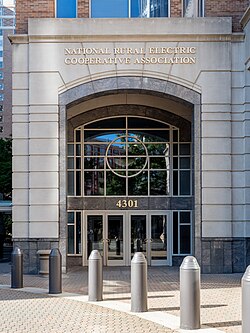
Key Facts
- Founded: 1942
- Membership: 900+ electric cooperatives
- Reach: Serves 40+ million people across 47 states
- Infrastructure: Owns 42% of U.S. distribution lines
- Leadership: Led by CEO Jim Matheson since 2016
- Headquarters: Arlington, Virginia
Infrastructure and Environmental Impact
While electric cooperatives serve approximately 12 percent of the total U.S. population, their physical footprint is vast. These cooperatives own 42 percent of the nation's distribution lines—the network of poles and wires that deliver electricity to the end user—covering three-quarters of the entire country.
NRECA members are also increasingly integrating sustainable energy into their operations. Currently, over 90% of electric cooperatives include renewable generation (energy produced from natural sources like wind or solar) in their portfolios. These cooperatives derive 11 percent of their total power from renewable sources, surpassing the overall utility sector average of 8 percent.
Expanding Rural Connectivity
Beyond electricity, NRECA is heavily involved in bridging the digital divide. In December 2020, cooperatives under the NRECA umbrella were awarded $1.6 billion from the Federal Communications Commission (FCC) Rural Digital Opportunity Fund. This funding is designated to bring rural broadband service to approximately 900,000 locations.
The association has also taken a critical stance on the implementation of these funds. In February 2021, CEO Jim Matheson filed an appeal with the FCC regarding the allocation of $886 million to SpaceX's Starlink internet service, which was intended to cover nearly 650,000 locations. Matheson argued that Starlink was "still in beta testing" and represented a technology that had not yet been proven.
NRECA Organizational Overview
| Category | Detail |
|---|---|
| Organization Type | Trade Association |
| CEO | Jim Matheson |
| Population Served | 40+ Million |
| Renewable Energy Share | 11% (vs 8% sector average) |
| Broadband Funding (2020) | $1.6 Billion |
Frequently Asked Questions
What is the NRECA?
The National Rural Electric Cooperative Association is a trade association founded in 1942 that represents over 900 not-for-profit electric cooperatives across 47 U.S. states.
Who owns electric cooperatives?
Electric cooperatives are not-for-profit entities that are owned by their own membership.
How much of the U.S. power infrastructure do cooperatives manage?
Electric cooperatives own 42 percent of America's distribution lines, which cover three-quarters of the country's land area.
Are rural cooperatives using renewable energy?
Yes, over 90% of electric cooperatives include renewable generation in their portfolios, sourcing 11 percent of their total power from renewables.
What is NRECA's role in rural broadband?
NRECA helps cooperatives secure funding for internet infrastructure, including a $1.6 billion award from the FCC's Rural Digital Opportunity Fund to serve 900,000 locations.
Why did NRECA appeal the FCC's decision regarding Starlink?
CEO Jim Matheson appealed the award of $886 million to SpaceX's Starlink because he viewed the service as a beta-testing technology that was not yet proven.