National Flowers and Floral Emblems of the World
Across the globe, many nations have adopted specific plants as symbols to represent their geographic identity, heritage, and natural beauty. These floral emblems—a term primarily used in Australia and Canada—serve as botanical signatures for a country. In the United States, these are more commonly referred to as state flowers.
The process of selecting these symbols varies widely. Some are formally conferred by government bodies through official decrees, while others emerge from informal public polls or long-standing cultural traditions. While many countries maintain a single national emblem, some also designate symbols for their subnational subdivisions, such as provinces, states, or counties.
Key Facts
- Terminology: "Floral emblem" is the preferred term in Canada and Australia, while "state flower" is used in the U.S.
- Selection: Symbols are chosen via government mandate or public consensus.
- Scope: Emblems can exist at both the national level and the subnational (provincial/state) level.
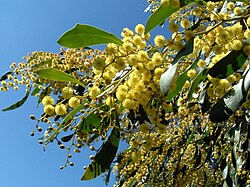
- Diversity: National symbols range from the Tudor rose in England to the Golden wattle in Australia.
Floral Emblems Across the Continents
Asia and the Middle East
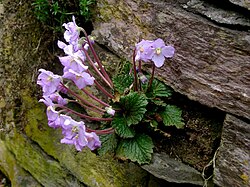
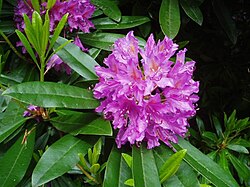
Asia features a diverse array of symbolic plants, often reflecting the region's rich biodiversity. For example, the romduol represents Cambodia, while the tree rhododendron is the national flower of Nepal.
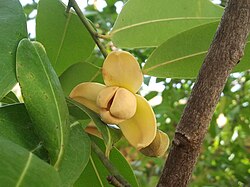
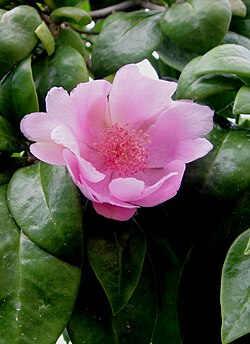
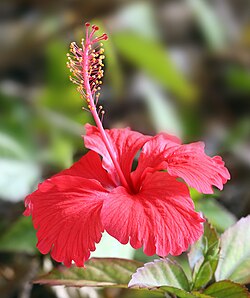
In Southeast Asia, Jasminum sambac serves as the national flower for both Indonesia and the Philippines. Malaysia is represented by the Chinese hibiscus (Hibiscus rosa-sinensis), and Vietnam utilizes the Lotus flower, which is also featured in the logo of its national carrier, Vietnam Airlines.
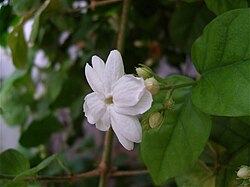
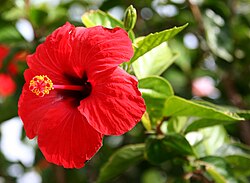
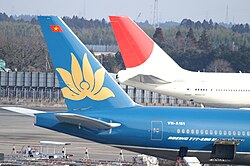
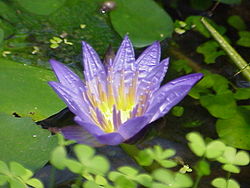
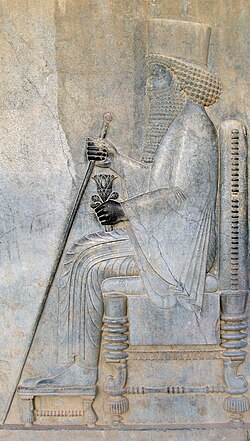
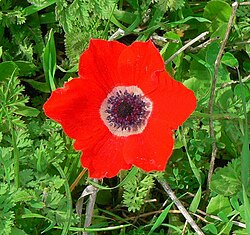
In the Middle East, Iran uses the water lily as its national symbolic flower, a motif that dates back to antiquity, as seen in depictions of Darius the Great in Persepolis. Israel's national flower is the poppy anemone.
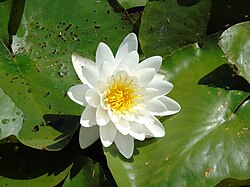
Europe
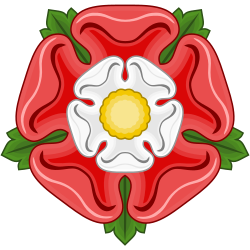
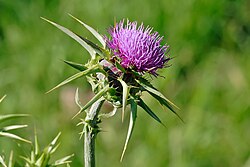
European nations often link their floral symbols to historical identity. The United Kingdom is unique in that its four constituent countries each have their own emblems: England uses the Tudor rose (a blend of the red rose of Lancaster and the white rose of York), Scotland uses the thistle and Scots pine, Wales uses the daffodil and leek, and Northern Ireland uses the flax flower and clover leaf.
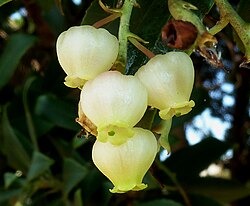
Other European examples include the sunflower and guelder rose in Ukraine, the carnation in Spain, and the chamomile in Russia. Italy's national flower is the strawberry tree (Arbutus unedo), a plant associated with the works of decadent poets like Giovanni Pascoli.
![Giovanni Pascoli, an emblematic figure of Italian literature in the late 19th century.[59] Alongside Gabriele D'Annunzio, he was one of the greatest Italian decadent poets.](/images/d2/f2/d2f2c792ffe63c85b3d08496bbcdfa0e9db50bebe020bc7e0625548bece6e7fa.jpg)
The Americas and Oceania
In North America, Canada employs a system of provincial and territorial emblems, such as the White Trillium for Ontario and the Wild Rose for Alberta. In the Caribbean, the Dominican Republic is represented by the Bayahibe Rose, and Haiti by the Hibiscus.
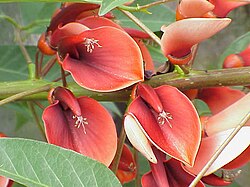
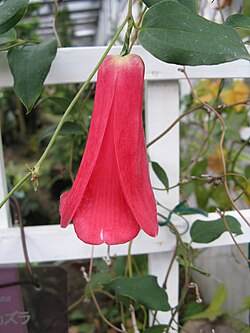
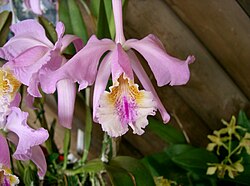
South American nations also embrace botanical symbols, including the ceibo tree for Argentina and Uruguay, the copihue for Chile, and the Cattleya mossiae orchid for Venezuela.
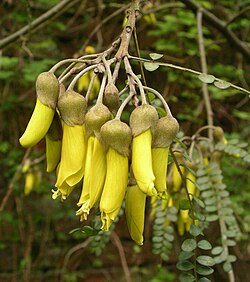
In Oceania, Australia has used the Golden wattle as its floral emblem since 1988, while New Zealand is represented by the kōwhai.
Africa
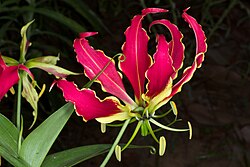
Africa's floral symbols are equally striking, such as the flame lily of Zimbabwe.
Subnational and Regional Symbols
Many countries extend floral symbolism to their internal regions to celebrate local ecology. Canada is a primary example, with every province and territory having an official emblem. Similarly, Australia designates flowers for its states and territories, such as the New South Wales waratah and the Red and green kangaroo paw of Western Australia.
In Europe, Belgium recognizes the Yellow iris for Brussels and the Gaillardia for Wallonia. Spain recognizes the Weaver's Broom in Catalonia and the Gorse flower in Galicia.
| Country/Region | Subdivision (if applicable) | Floral Emblem |
|---|---|---|
| Australia | National | Golden wattle |
| Canada | Ontario | White Trillium |
| England | National | Tudor rose |
| Malaysia | National | Chinese hibiscus |
| Ukraine | National | Sunflower |
| Vietnam | National | Lotus |
| Spain | Catalonia | Weaver's Broom |
Frequently Asked Questions
What is the difference between a floral emblem and a state flower?
The difference is primarily linguistic and regional. "Floral emblem" is the term typically used in Canada and Australia, whereas "state flower" is the common term used in the United States.
How are national flowers chosen?
They are adopted through various means, including official government decrees, royal decrees, or informal public polls.
Do some flowers represent more than one country?
Yes. For example, Jasminum sambac is the national flower of both Indonesia and the Philippines, and the ceibo tree represents both Argentina and Uruguay.
Does the United Kingdom have one single national flower?
No, the UK's four constituent countries each have their own: the Tudor rose (England), the thistle and Scots pine (Scotland), the daffodil and leek (Wales), and the flax flower and clover leaf (Northern Ireland).
Are there subnational floral symbols?
Yes, many countries have them. Canada's provinces, Australia's states, and various regions in Spain and Belgium have their own official floral emblems.