Musée des Beaux-Arts de Lyon: A Journey Through Art and History
The Musée des Beaux-Arts de Lyon is one of the most significant art institutions in Europe and one of the largest in France. Located in the heart of Lyon near the Place des Terreaux, this municipal museum offers a vast chronological journey through human creativity, spanning from ancient Egyptian antiquities to the bold experiments of the Modern art period.
The museum is uniquely housed in a former Benedictine convent that flourished during the 17th and 18th centuries. To ensure the preservation of its treasures and the comfort of its guests, the site underwent an extensive restoration between 1988 and 1998, remarkably remaining open to the public throughout the process.
Key Facts
- Established: 1801
- Location: 20, place des Terreaux, Lyon, France
- Setting: A former 17th-century Benedictine convent (Palais Saint-Pierre)
- Scope: Collections ranging from Ancient Egypt to 20th-century Modern art
- Specialties: One of France's largest coin and medal collections (the médaillier)
The Architectural Evolution of the Museum
The Royal Abbey of Saint-Pierre-les-Nonnains
Until 1792, the site belonged to the Royal Abbey of Saint-Pierre-les-Nonnains. This institution was deeply tied to the French nobility, with abbesses drawn from the highest social circles. Under the influence of Louis XIV, the abbey underwent aristocratic renovations in the 17th and 18th centuries, resulting in the baroque refectory and the monumental honor-staircase attributed to Thomas Blanchet.
Today, the refectory serves as a reception area for groups and displays two monumental paintings by Pierre-Louis Cretey: The Multiplication of the Loaves and The Last Supper.
From the Palais du Commerce to the Musée des Beaux-Arts
The French Revolution brought drastic changes, including the expulsion of the nuns and the destruction of the église Saint-Saturnin. The remaining structures became the Palais du Commerce et des Arts, initially housing confiscated works from the nobility and clergy before expanding into archaeology and natural history.
In 1805, the imperial drawing school was established here to support Lyon's famous silk industry, creating the renowned Lyon School. By 1860, the site became the Palais des Arts, and by the early 20th century, it officially transitioned into the Musée des Beaux-Arts.
World-Class Art Collections
European Paintings
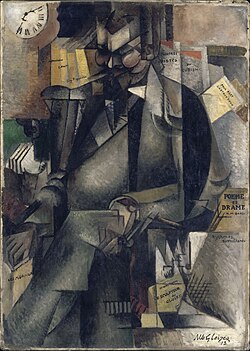
The painting department is organized across 35 rooms, arranged chronologically and by school. The collection is a comprehensive survey of European art from the 14th to the mid-20th century, featuring:
- French Painting: From 16th-century masters like Nicolas Poussin to 19th-century icons such as Degas, Renoir, Monet, and Van Gogh.
- Italian Painting: A rich selection including Tintoretto, Veronese, and Canaletto.
- Spanish Painting: Primarily 17th-century works by El Greco and Zurbarán.
- German, Flemish, and Dutch Painting: Featuring Rubens, Rembrandt, and Van Dyck.
- 20th-Century Art: Works by Picasso, Matisse, Braque, and the Paris School.
Sculpture and the Municipal Garden
Sculptures are divided between the ground floor (Medieval and Renaissance) and the abbey's church (19th and 20th century). The former cloister has been transformed into a serene municipal garden featuring works by Auguste Rodin, such as The shadow, or Adam and The temptation of Saint Anthony, as well as pieces by Aristide Maillol and Antoine Bourdelle.
The Antiquities Department
Ancient Egypt
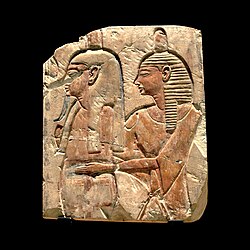
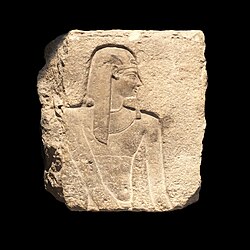
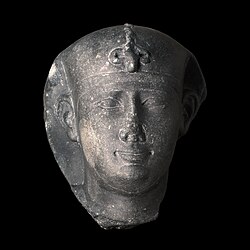
Egyptology has a deep history in Lyon, largely thanks to Victor Loret. The collection was founded with nearly 400 objects from the Louvre and expanded with donations from the Loret family and finds from Deir el-Medina. The department is organized into nine thematic rooms:
- Life and Death: Exploring funerary practices through coffins, shabtis (funerary figurines), and amulets.
- The Divine: Featuring the gates of Ptolemy III and Ptolemy IV from the temple of Medamud.
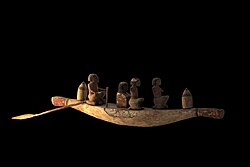
- Daily Life: Including 18 wooden models from Assiout depicting beer-making and cattle grazing.
- Cross-Cultural Influence: Examining the intersection of Egyptian art with Greek, Roman, and Coptic Christianity.
Near East, Greece, and Rome
Beyond Egypt, the museum houses Sumerian, Assyrian, and Babylonian clay tablets and cylinder seals. The Greek collection is highlighted by a 6th-century BC marble kore from the Acropolis of Athens, while the Roman section features marble statues and bronze figurines of the Roman Pantheon.
Specialized Collections and Graphic Arts
Objets d’Art and Numismatics
The museum's diverse objects of art include Byzantine ivories, Islamic art, and Far East ceramics. Notably, it showcases silk fabrics from Lyon's own manufacturing trade. The médaillier (coin collection) is the second largest in France, containing nearly 50,000 coins and medals.
Graphic Arts
With over 8,000 works on paper, the graphic arts department includes drawings and engravings by Albrecht Dürer, Nicolas Poussin, and Henri Matisse.
| Department | Key Highlights | Period Covered |
|---|---|---|
| Paintings | Picasso, Van Gogh, Tintoretto, Rubens | 14th - mid-20th Century |
| Sculpture | Rodin, Maillol, Bourdelle | Medieval - 20th Century |
| Antiquities | Egyptian sarcophagi, Athenian Kore | Ancient Era |
| Numismatics | 50,000 coins and medals | Various |
| Graphic Arts | Dürer, Matisse, Delacroix | 19th - 20th Century |
Frequently Asked Questions
Where is the Musée des Beaux-Arts de Lyon located?
The museum is located at 20, place des Terreaux, 69001 Lyon, France, housed in a former Benedictine convent.
What are the most famous paintings in the collection?
The museum features a wide array of masterpieces, including works by Edgar Degas, Vincent van Gogh, Pablo Picasso, and Henri Matisse, as well as Italian masters like Tintoretto.
What makes the Egyptian collection significant?
The collection is bolstered by the historical importance of egyptology in Lyon and includes significant donations from the Louvre and the Loret family, as well as the gates of Ptolemy III and IV.
Does the museum have a garden?
Yes, the former cloister of the abbey has been converted into a municipal garden featuring several 19th-century statues, including works by Auguste Rodin.
What is the 'médaillier'?
The médaillier is the museum's coin and medal collection. With nearly 50,000 items, it is the second largest of its kind in France, following the collection in Paris.