Musée de la Serrure: The History of Paris's Lock and Key Museum
Paris is renowned for its vast array of specialized museums, and among its most unique historical institutions was the Musée de la Serrure. Also known as the Musée de la Serrurerie or the Musée Bricard, this private museum served as a dedicated sanctuary for the intricate art of security and craftsmanship, focusing specifically on the evolution of locks and keys.
Located in the 3rd arrondissement at 1 rue de la Perle, the museum offered visitors a rare glimpse into the mechanical ingenuity used to secure properties throughout human history. Although the museum closed its doors in 2003, its legacy remains a point of interest for historians and enthusiasts of metallurgy.
A Historic Setting: The Hôtel Libéral Bruant
The museum was housed in a building as historically significant as its collection: the Hôtel Libéral Bruant. Built in 1685, this residence belonged to Libéral Bruant (1635-1697), a prominent Parisian architect who is best known for his work on Les Invalides.
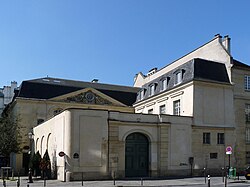
Established by the Bricard Company, the museum utilized this architectural gem to showcase the intersection of art and security, blending the elegance of 17th-century Parisian architecture with the technical precision of locksmithing.
The Collection: From Antiquity to the Modern Era
The Musée de la Serrure was dedicated to the art of keys, locks, and door knockers. The exhibits spanned several millennia, providing a chronological journey through the development of locking mechanisms.
Ancient and Medieval Artifacts
The collection began with artifacts from Roman times, featuring keys crafted from bronze and Gallo-Roman iron (iron produced in the Roman provinces of Gaul). Visitors could also admire door knockers dating back to the Middle Ages, highlighting the decorative and functional aspects of early home security.
Post-Renaissance and Industrial Craftsmanship
The museum featured an extensive array of locks and keys from the 16th through the 19th centuries. This period showcased the transition from purely manual craftsmanship to more complex mechanical designs. To complement these displays, the museum included a locksmith's workshop and various exhibits of ironworks, demonstrating the actual processes used to forge these tools.
Key Facts
- Alternative Names: Musée de la Serrurerie or Musée Bricard.
- Location: 1 rue de la Perle, 3rd arrondissement, Paris, France.
- Founder: Established by the Bricard Company.
- Venue: Housed in the Hôtel Libéral Bruant, built in 1685.
- Closing Date: The museum closed in 2003.
- Scope: Featured locks from Roman times through the 19th century.
| Category | Details |
|---|---|
| Primary Focus | Locks, keys, and door knockers |
| Historical Range | Roman era to the 19th century |
| Key Materials | Bronze and Gallo-Roman iron |
| Architectural Site | Hôtel Libéral Bruant (Architect: Libéral Bruant) |
| Additional Exhibits | Locksmith's workshop and ironworks |
Frequently Asked Questions
What was the Musée de la Serrure?
It was a private museum in Paris, also known as the Musée Bricard, that specialized in the history and art of locks, keys, and door knockers.
Where was the museum located?
The museum was located at 1 rue de la Perle in the 3rd arrondissement of Paris, France, within the Hôtel Libéral Bruant.
Who was Libéral Bruant?
Libéral Bruant (1635-1697) was a Parisian architect known for his work on Les Invalides and the original owner of the hotel that housed the museum.
Is the museum still open to the public?
No, the Musée de la Serrure closed in 2003.
What types of ancient keys were displayed?
The museum displayed keys from Roman times, including those made of bronze and Gallo-Roman iron.