Mumbai: The Dynamic Megacity of India
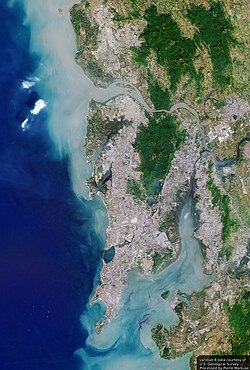
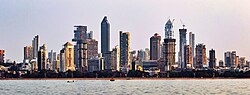
Known by many names—the City of Dreams, the Maximum City, and the City That Never Sleeps—Mumbai is a sprawling metropolis on the west coast of India. As the capital of Maharashtra, it serves as the country's financial powerhouse and a melting pot of diverse cultures, languages, and histories. From its origins as a cluster of seven islands to its current status as one of the world's most populous urban centers, Mumbai embodies the rapid evolution of modern India.
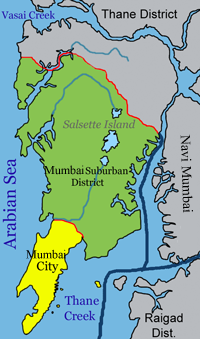
The city is divided into two primary districts: Mumbai City and Mumbai Suburban. Its unique geography and strategic location on the Arabian Sea have made it a critical hub for trade and commerce for centuries.
Key Facts
- Population: Approximately 12.4 million (City) and over 18.4 million (Metro) as of 2011.
- Economy: A massive GDP with a PPP (Purchasing Power Parity) of US$400 billion.
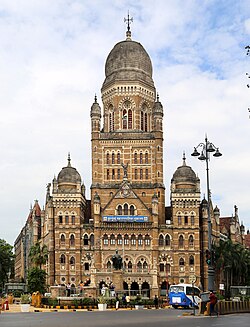
- Governance: Managed by the Brihanmumbai Municipal Corporation (BMC), the largest civic organization in India.
- UNESCO Sites: Home to the Elephanta Caves, Chhatrapati Shivaji Terminus, and the Victorian and Art Deco Ensemble.
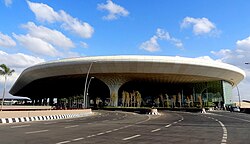
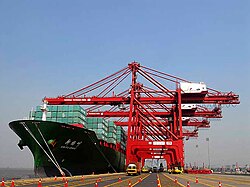
- Connectivity: Features the busiest port in India (Jawaharlal Nehru Port) and the second busiest airport (Chhatrapati Shivaji Maharaj International Airport).
Historical Evolution
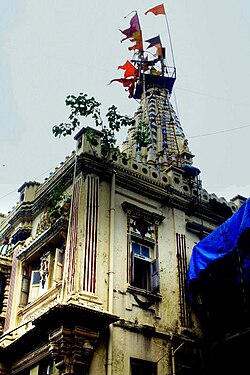
Mumbai's history is a tapestry of indigenous settlement and colonial influence. The city is named after the goddess Mumba Devi, reflecting its deep spiritual roots.
Early History and Colonial Rule
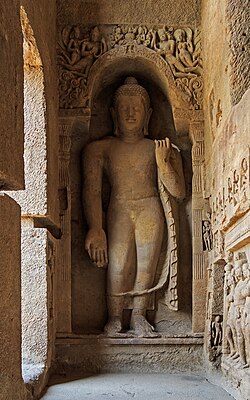
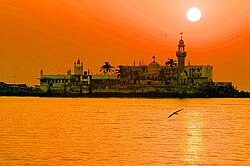
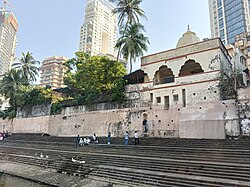
The region saw early Buddhist influence, evidenced by the Kanheri Caves which house artworks dating from the 1st to the 10th century CE. Later, the area came under the influence of the Gujarat Sultanate, during which the Haji Ali Dargah was constructed in 1431.
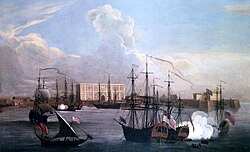
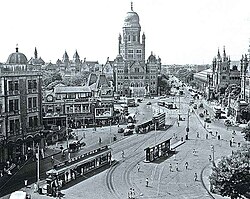
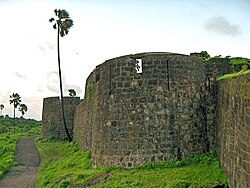
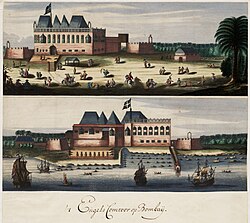
The Portuguese established a presence in the region, building structures such as Madh Fort. However, the British eventually took control, transforming the seven islands into a major colonial port and administrative center. This era left a lasting architectural legacy, including the English fort and the iconic Victoria Terminus.
Independence and Modern Growth
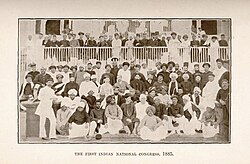
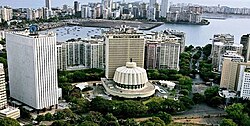
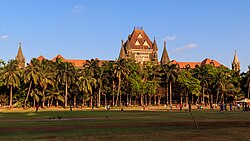
Following India's independence, Mumbai continued to grow as a political and economic center. It hosted the first session of the Indian National Congress in December 1885, marking its role in the nation's struggle for sovereignty. Today, it houses the Maharashtra Legislative Assembly and the Bombay High Court, which holds jurisdiction over Maharashtra, Goa, Dadra and Nagar Haveli, and Daman and Diu.
Geography and Climate
Mumbai is characterized by a tropical savanna climate (Aw). The city experiences significant seasonal variation, most notably a heavy monsoon season from June to September, with July typically seeing the highest rainfall (averaging 768.5 mm at Colaba).
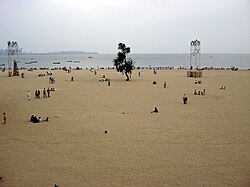
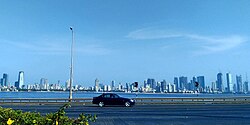
The city's elevation is relatively low, averaging 14 meters above sea level. Its coastline is a defining feature, with popular tourist attractions like Girgaum Chowpatty beach and the scenic Marine Drive.
Economy and Infrastructure
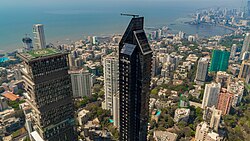
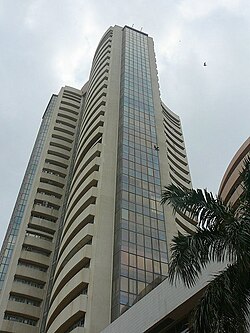
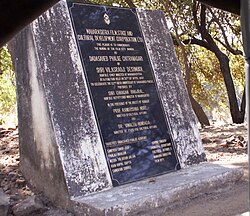
Mumbai is the financial heart of India, hosting the Bombay Stock Exchange, the oldest in Asia. The city's economy is driven by trade, finance, and the entertainment industry, centered around the famous Film City.
Urban Administration and Challenges
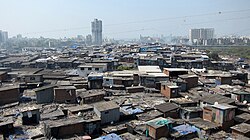
The city is governed by the Brihanmumbai Municipal Corporation (BMC). Despite its wealth, Mumbai faces significant urban challenges, including extreme population density (20,620 people per km²) and the existence of large informal settlements, such as Dharavi, one of the world's largest slums.
Transportation Network
To move its millions of residents, Mumbai employs a complex transit system:
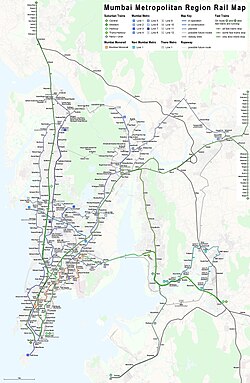
- Rail: The Mumbai Suburban Railway is the city's lifeline, complemented by the Mumbai Metro (opened 2014) and the Mumbai Monorail.
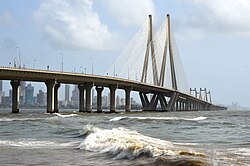
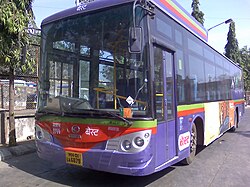
- Road: A vast network of buses operated by BEST and modern engineering marvels like the Bandra-Worli Sea Link.
- Air and Sea: Chhatrapati Shivaji Maharaj International Airport and the Jawaharlal Nehru Port facilitate global connectivity.
Culture and Society
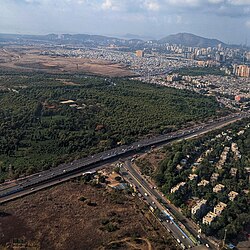
Mumbai is a multilingual city where Marathi is the official language, though Hindi, English, Urdu, and Gujarati are widely spoken. The population is predominantly Hindu (65.99%), followed by Islam (20.65%), Buddhism, and Jainism.
Sports and Recreation
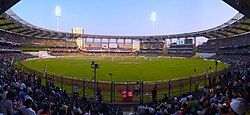
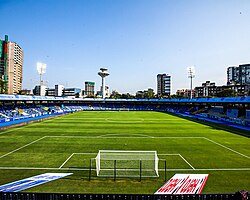
The city is a hub for professional sports, particularly cricket. The Wankhede Stadium is a world-renowned venue, hosting teams like the Mumbai Indians in the Indian Premier League. Mumbai also supports professional football (Mumbai City FC) and other sports including kabaddi and badminton.
| Category | Detail |
|---|---|
| Official Language | Marathi |
| Population (2011) | 12,442,373 (City) |
| GDP (PPP) | US$400 billion |
| Climate Type | Tropical Savanna |
| Major Port | Jawaharlal Nehru Port |
Frequently Asked Questions
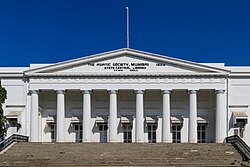
![The Times of India's first office is opposite the Chhatrapati Shivaji Terminus where it was founded.[449]](/images/19/94/19948e79e4b52e966e364b7d674181a6674268311c979980bb97481379495c13.jpg)
What is the difference between Mumbai and Bombay?
Mumbai is the current official name of the city, while Bombay was the name used during the British colonial era and for many years after independence. The name Mumbai is derived from the goddess Mumba Devi.
Which are the UNESCO World Heritage Sites in Mumbai?
Mumbai hosts three designated sites: the Elephanta Caves, the Chhatrapati Shivaji Terminus, and the Victorian and Art Deco Ensemble of Mumbai.
What is the primary mode of transport for commuters in Mumbai?
The Mumbai Suburban Railway is the most critical transit system, though the city also relies heavily on BEST buses, the Mumbai Metro, and the Monorail.
What is the climate like in Mumbai?
Mumbai has a tropical savanna climate characterized by high humidity and a distinct monsoon season from June to September, which brings the majority of the city's annual rainfall.
Which sports are most popular in Mumbai?
Cricket is the most dominant sport, with the Wankhede Stadium serving as a major venue. Football is also prominent, with teams like Mumbai City FC competing in the Indian Super League.