Mormonism and The Church of Jesus Christ of Latter-day Saints
Mormonism is a religious movement centered on the belief in a restored gospel of Jesus Christ. While the term Mormon is widely used by the public and journalists, the primary organization associated with this faith is The Church of Jesus Christ of Latter-day Saints (LDS Church). This faith has evolved from a small 19th-century American movement into a global religion with millions of adherents across every continent.
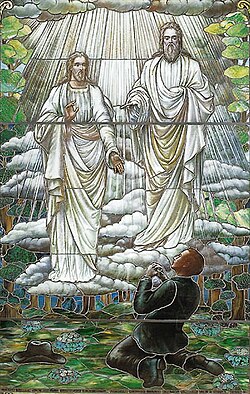
At its core, the faith emphasizes the role of Jesus Christ as the premier figure of the religion. Members view their faith as a Christian religion, focusing on the restoration of the original church established by Christ.
![Mormons see Jesus Christ as the premier figure of their religion.[147]](/images/cd/ba/cdba7c6c6eb21225947f97adc28befbaad4b4aedb8bf19498b5ba7e2fbca051d.jpg)
Key Facts
- Global Membership: The LDS Church reported 17,255,394 members in 2023.
- Primary Figure: Jesus Christ is the central figure of the faith.
- Founder: The movement began with the revelations of Joseph Smith.
- Naming Preference: Church leadership requests the use of the full name "The Church of Jesus Christ of Latter-day Saints" over "Mormon" or "LDS."
- Global Reach: Significant populations exist in the US, Mexico, Brazil, and the Philippines.
History and Evolution
Beginnings and Joseph Smith
The movement began in the early 19th century through Joseph Smith, who reported a series of divine revelations. These early experiences led to the establishment of the church and the publication of the Book of Mormon. In its earliest stages, the church grew rapidly; by the spring of 1830, it had approximately 1,000 members.
The Pioneer Era
The early history of the faith was marked by significant migration and hardship. Following the death of Joseph Smith, the members faced persecution, leading to a massive exodus. This pioneer era saw thousands of believers traveling west to find a place of refuge, often crossing treacherous terrain and frozen rivers.
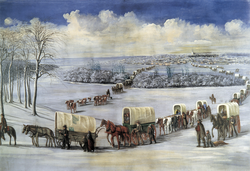
The journey included the use of handcarts and wagons, symbolizing the endurance and faith of the early converts. This period of migration eventually led to the establishment of permanent settlements in the American West, particularly in Utah.

Modern Growth and Global Expansion
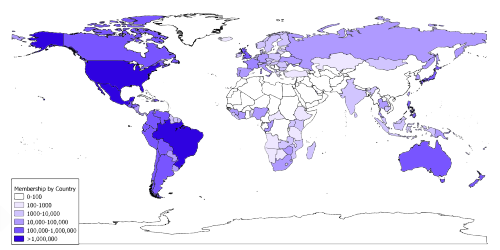
In the modern era, the church has transitioned from a regional American sect to a worldwide organization. While the United States remains a major hub, some regions in the South Pacific—including American Samoa, the Cook Islands, Kiribati, Niue, Samoa, and Tonga—have a higher percentage of members (over 10%) than the United States (approximately 2%).
Demographics and Global Presence
The distribution of members reflects a strong presence in the Americas and Asia. The following table provides a breakdown of populations in regions with significant membership as of recent reports.
| Region/Country | Population |
|---|---|
| United States | 6,868,793 |
| Mexico | 1,516,406 |
| Brazil | 1,494,571 |
| Philippines | 867,271 |
| Peru | 637,180 |
| Chile | 607,583 |
| Argentina | 481,518 |
| Guatemala | 290,068 |
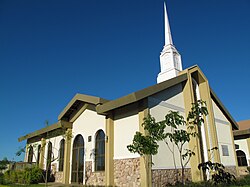
Meetinghouses serve as the local centers for Sunday worship and community activities worldwide, from the United States to Brazil.
Culture, Beliefs, and Diversity
Religious Practices
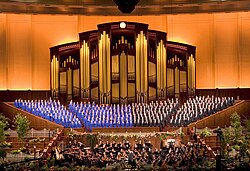
The faith is known for its strong emphasis on family, chastity, and health. Members typically adhere to a code of conduct that includes avoiding certain substances and maintaining high moral standards regarding marriage and sexuality. The church also emphasizes the importance of music, exemplified by the 360-member Tabernacle Choir at Temple Square.
Diversity within the Movement
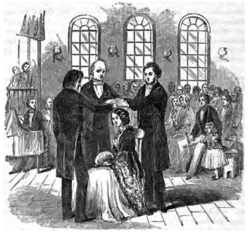
While the LDS Church is the largest body, there are various groups within the broader Mormon tradition:
- Latter-day Saints (LDS): Members of The Church of Jesus Christ of Latter-day Saints.
- Fundamentalist Mormons: Groups that have broken away from the main church, some of whom continue to practice polygamy (a practice the LDS Church repudiates and prohibits).
- Liberal and Cultural Mormons: Individuals who may identify with the heritage or some beliefs of the faith but may not strictly adhere to all institutional doctrines.
Frequently Asked Questions
Are Mormons Christian?
Yes, the vast majority of members (97% in some surveys) describe Mormonism as a Christian religion. They view Jesus Christ as the central figure of their faith and the savior of humanity.
Why is there a preference for the full church name over the word "Mormon"?
Church leadership, including President Russell M. Nelson, has requested the use of "The Church of Jesus Christ of Latter-day Saints" to emphasize the role of Jesus Christ in the name of the organization and to distinguish the main church from other dissident groups.
Does the LDS Church practice polygamy?
No. The Church of Jesus Christ of Latter-day Saints does not affiliate with polygamous groups and repudiates the practice. Members found practicing polygamy are subject to excommunication.
Where is the highest concentration of members?
While the largest total number of members is in the United States, certain South Pacific nations and dependencies, such as Tonga and Samoa, have a higher percentage of their total population identifying as members.