Military Dictatorship: History, Formation, and Global Evolution
A military dictatorship is a form of government where supreme power is held and exercised by a member of the armed forces. These regimes are typically led by a commander-in-chief or a junta—a committee of military leaders who rule a country. While these regimes often claim to seize power to restore order or combat corruption, the underlying motivations of the officers involved can vary significantly.
Historically, military dictatorships have emerged through various means, most commonly via military coups (sudden, violent seizures of power) or through the empowerment of the military during periods of intense domestic unrest and instability.
Key Facts
- Leadership: Usually led by a high-ranking military officer or a junta.
- Origins: Often formed through coups or during times of extreme civil instability.
- Global Trends: Resurged during the Cold War; seen a decline since the end of that era.
- Modern Context: As of 2023, Africa is the primary continent experiencing regular military coups.
Historical Foundations of Military Rule
Early Military Governance
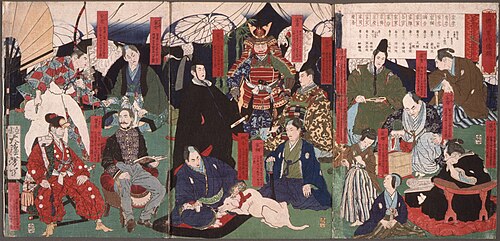
Military rule is not a modern phenomenon. In Japan, the country was governed by shoguns—military dictators who ruled de facto while the Emperor remained a nominal figurehead. This system began with the Kamakura shogunate in 1185 and lasted until the Meiji Restoration in 1868.
Similarly, during the Lê dynasty in Vietnam (16th to 18th centuries), the nation experienced a form of military rule driven by two rival families: the Trịnh lords in the north and the Nguyễn lords in the south.
The 19th and Early 20th Centuries
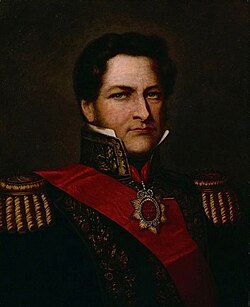
In the 19th century, Latin America was the primary region where military dictatorships were common. Following the Spanish American wars of independence, many new governments fell under the control of caudillos. These were personalist dictators, often from military backgrounds, whose rule was frequently characterized by pageantry and glamor, even if they were nominally bound by constitutions.
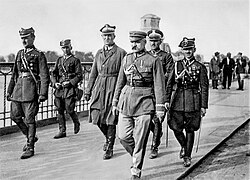
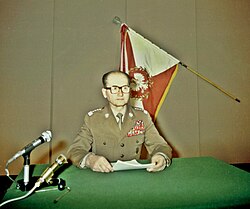
By the early 20th century, military rule expanded into Europe. Following World War I, several nations saw military influence rise. Poland, under Józef Piłsudski, adopted a militant style of rule due to regional threats, while other nations like Romania, Spain, and Portugal also experienced periods of military-led governance.
Regional Patterns of Dictatorship
Africa and the Arab World
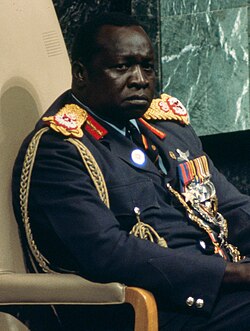
Between 1959 and 2001, 14 African countries experienced at least three successful coups. By 1975, half of the continent was under military rule. Some African militaries viewed themselves as "guardians" of the nation, intervening when civilian authority faltered, while others sought power to benefit specific political interests. Many leaders in this region adopted socialist messaging to align with neighboring regimes.
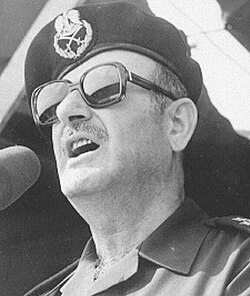
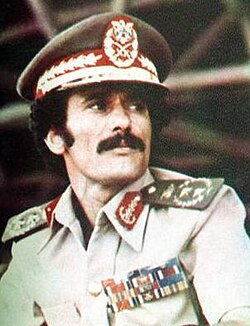
In the Arab world, the mid-20th century saw frequent coups in Iraq, Syria, and Yemen. In Syria, General Hafez al-Assad consolidated power in 1970, establishing a highly militarized surveillance state. Similar patterns of military-led rule were observed in Libya under Muammar Gaddafi.
Asia and Southeast Asia
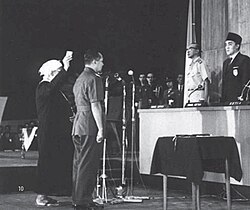
In East Asia, South Korea experienced a series of military dictatorships following a 1961 coup, which lasted until democratization in 1987. Indonesia saw a long period of military-backed rule under Suharto's "New Order" from 1966 to 1998. Meanwhile, Myanmar has been recognized as having one of the most durable military regimes in the world, with periods of rule spanning from 1958 to the present day.
Latin America and the Cold War
The 1960s and 1970s saw a surge in Latin American military juntas, often fueled by economic instability and the political polarization of the Cold War. Countries like Argentina, Brazil, and Guatemala experienced multiple regimes. In Brazil, the military dictatorship was notable for lasting nearly 20 years while still allowing elections with competing parties.
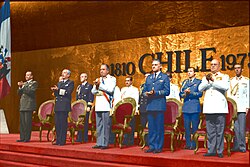
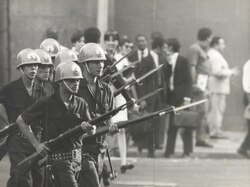
The decline of these regimes began in the late 1970s, aided by foreign pressure and a global shift toward democratization. By the end of the Cold War, military dictatorships had virtually disappeared from the region.
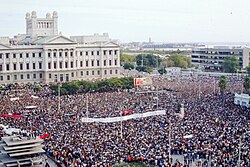
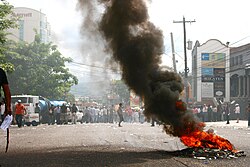
Summary of Military Rule Trends
| Region | Primary Era of Influence | Common Characteristics |
|---|---|---|
| Latin America | 19th Century & 1960s-70s | Caudillos, Cold War polarization, and subsequent democratization. |
| Africa | 1960s - Present | Frequent coups; military acting as "guardians" or seeking political advantage. |
| Asia | Mid-20th Century | Long-term regimes (e.g., Indonesia, Myanmar) and transition to democracy. |
| Europe | Post-WWI & Cold War | Militant rule in Poland; juntas in Greece; decline after the Eastern Bloc fell. |
Frequently Asked Questions
What is the difference between a military dictatorship and a kakistocracy?
A military dictatorship (sometimes referred to as a khakistocracy) is a government led by the armed forces. A kakistocracy refers to a government run by the worst, least qualified, or most unscrupulous citizens.
How do military dictatorships typically take power?
They most often come to power through military coups or when the military is empowered by a popular uprising during times of extreme domestic instability or unrest.
Why did military dictatorships decline after the Cold War?
The fall of the Eastern Bloc and a shift in the global community's stance against authoritarianism provided more latitude for challenging military regimes, leading to a wave of democratization.
Is military rule still common today?
While military dictatorships have largely disappeared from Latin America and much of Europe, they remain a significant factor in parts of Africa and have seen notable instances in Southeast Asia, such as in Myanmar.