Military Bases: Functions, Types, and Jurisdictional Structures
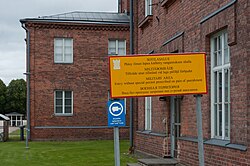
A military base is a specialized facility owned and operated by a military organization or one of its branches. These installations serve as critical hubs that shelter personnel and equipment while facilitating essential training and operational activities. While every base provides accommodations for one or more military units, their specific purposes can vary widely, ranging from command centers and training grounds to proving grounds—facilities used for testing new military hardware.
Most military bases rely on external support for daily operations. However, some complex installations are designed for self-sufficiency, capable of providing food, drinking water, and other necessities to sustain inhabitants for extended periods, even while under siege.
Key Facts
- Specialized Terms: Bases for aviation are called air bases, while those for ships are called naval bases.
- Scale: Installations vary from small, remote outposts to massive "military cities" housing up to 100,000 people.
- Jurisdiction: In the U.S., bases are federal property, though civilians living on them generally follow the laws of the host state.
- Overseas Presence: Bases located outside a nation's own territory are termed overseas military bases and are typically established via treaties.
- Self-Sufficiency: High-complexity bases can endure long periods of isolation by producing their own essential resources.
Types of Military Establishments
The term "military base" can be applied broadly or specifically. In a general sense, it refers to any permanent establishment housing armed forces or paramilitary groups, such as national guards, constabularies, or police. In a narrower sense, it may refer specifically to land-based army or marine installations, distinguishing them from naval or air force bases.
Permanent and Semi-Permanent Installations
Permanent bases are long-term fixtures of a nation's defense infrastructure. Examples include HMNB Portsmouth in the UK, Naval Air Station Whidbey Island in the US, and Ramstein Air Base in Germany. The latter two are designated as Main Operating Bases (MOB).
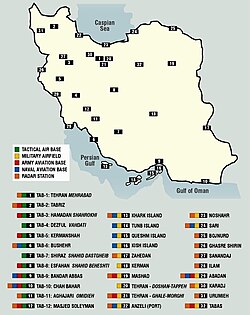
Conversely, some installations are non-permanent or semi-permanent. These include Forward Operating Bases (FOB), Logistics Bases (Log bases), and Fire Bases (FB), which are often established to support specific missions or tactical advantages in a theater of operations.
Naming Conventions
The nomenclature of a base typically reflects the specific military activity conducted there. Common designations include:
- Logistics and Storage: Ammunition dumps, arsenals, magazines, and naval dockyards.
- Tactical and Forward Positions: Combat outposts (COP), forward operating sites (FOS), and observation posts (OP).
- Training and Housing: Barracks, cantonments, garrisons, and training camps.
- Specialized Facilities: Missile launch facilities, submarine bases, and proving grounds.
Life and Infrastructure on Base
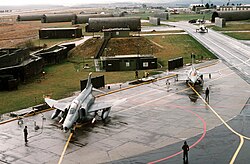
Beyond tactical facilities, military bases often function as small towns to support the well-being of personnel and their families. While access is generally restricted to authorized personnel, these installations provide a wide array of services.
Common amenities include housing, post offices, dining halls, hospitals, and clinics (including dental and veterinary services). In some countries, retail options like supermarkets (Commissaries) and department stores are available. In the United States, the Family, Morale, Welfare and Recreation (FMWR) program provides extensive community services, including fitness centers, libraries, golf courses, child development centers, and bowling alleys.

Variations in Base Management
Different military branches and nations manage their bases differently. For example, U.S. Air National Guard facilities are often located within secure cantonment areas at civilian airports, whereas Air Force Reserve bases may be former active-duty installations. These reserve facilities typically offer fewer amenities, such as lodging or retail stores, compared to active-duty bases.
In Russian military terminology, a "base" is often a broad territorial designation rather than a single fenced facility. For instance, the Sevastopol Naval Base includes various discrete sites across the city and a separate airfield at Kacha.
Overseas Military Bases
An overseas military base is located outside the home country of the occupying armed forces. These are usually established through strategic treaties between the host nation and the occupying power to facilitate logistics and regional security.
These installations often give rise to a unique "military brat" subculture, referring to children born or raised in the host country who grow up with a remote connection to their parents' home nation.
| Base Type | Primary Purpose | Example/Characteristic |
|---|---|---|
| Air Base | Military aviation operations | Ramstein Air Base |
| Naval Base | Ship and submarine support | HMNB Portsmouth |
| Forward Operating Base (FOB) | Tactical, semi-permanent support | Mission-specific deployment |
| Main Operating Base (MOB) | Large-scale, permanent operations | NAS Whidbey Island |
| Overseas Base | Strategic foreign presence | Established via international treaty |
Frequently Asked Questions
What is the difference between a military base and a forward operating base?
A military base is typically a permanent installation used for long-term housing, training, and command. A Forward Operating Base (FOB) is generally semi-permanent and positioned closer to operational areas to provide tactical support.
Who is subject to the law on a U.S. military base?
Bases in the U.S. are federal property and subject to federal law. However, civilians, such as family members of officers, are generally subject to the civil and criminal laws of the state where the base is located.
What are the typical amenities found on a large military base?
Large bases often provide comprehensive services including housing, schools, hospitals, banks, post offices, and recreational facilities like fitness centers and movie theaters.
How are overseas military bases established?
Overseas bases are typically established through formal treaties between the government of the host country and the country that needs the base for strategic or logistic reasons.
What is a "proving ground"?
A proving ground is a specific type of military base used for the testing and evaluation of military equipment and weaponry.