Mexican Rock Music: The Evolution of Rock Nacional
Known locally as rock nacional, Mexican rock music emerged in the 1950s as a vibrant fusion of international influences and local identity. From its early days of covering American and British standards to the development of a distinct counterculture, the genre has navigated government censorship, social upheaval, and artistic evolution to become a global force.
The movement began with the adoption of sounds from icons like Elvis Presley, Chuck Berry, and The Beatles. Early pioneers such as Los Teen Tops and Javier Bátiz transitioned from covers to original compositions, often in English. Notably, Los Nómadas stood out as the first racially integrated band of the 1950s, achieving a milestone in 1954 with "She's My Babe," the first top 40 R&B recording by a Latino band.
Key Facts
- Origins: Started in the 1950s with orchestras and covers of US rock and roll.
- La Onda: A significant counterculture movement that flourished in the late 1960s.
- Avándaro: The 1971 "Mexican Woodstock" that led to severe government restrictions on rock.
- Hoyos Fonquis: Unsafe, underground venues where rock survived during periods of prohibition.
- Tianguis del Chopo: A legendary open-air market in Mexico City that became a hub for rock culture.
The Early Era: Orchestras and the "Refrito" Movement
In the mid-1950s, rock and roll was not initially performed by bands, but by orchestras blending jazz with the new genre. Gloria Ríos, an American-born singer, is credited with introducing the sound to Mexico. In 1956, she recorded "La mecedora" with Mario Patrón and his Estrellas del Ritmo, which is considered the first original Mexican rock song in Spanish.
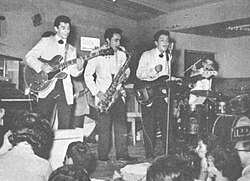
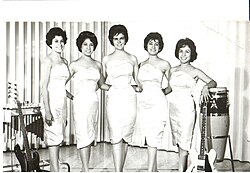
As the 1960s approached, youth-led bands like Los Lunáticos and Las Mary Jets—the first all-female rock band in Mexico—took center stage. However, the PRI-controlled government, fearing a "Moral Crisis," imposed strict restrictions to protect traditional family values. This led to the Refrito movement, where musicians reworked foreign songs to remove rebellious lyrics. A prime example is Los Teen Tops' "La Plaga," a sanitized version of Little Richard's "Good Golly Miss Molly."
La Onda and the Avándaro Turning Point
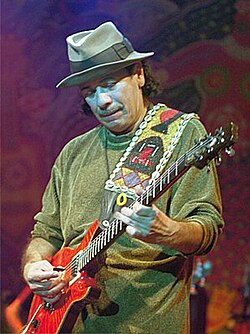
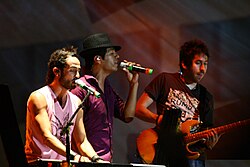
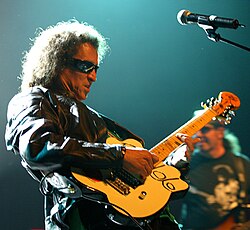
The late 1960s saw the rise of La Onda (The Wave), a counterculture movement fueled by the international success of Mexican-American guitarist Carlos Santana. Bands began blending Spanish and English to appeal to both local and foreign markets.
The movement reached a peak with the 1971 Festival Rock y Ruedas de Avándaro. Intended for 25,000 people, nearly 300,000 attended. The event's association with free love, drug use, and nudity scandalized conservative society, prompting a government crackdown known as El Avandarazo. This repression forced many bands, such as La Revolución de Emiliano Zapata, to pivot toward romantic ballads to survive.

Underground Survival: Hoyos Fonquis and the Chopo
During the 1970s, rock was pushed into the shadows. Musicians performed in Hoyos Fonquis ("funky holes"), which were unsafe, makeshift venues often targeted by police raids. This environment fostered a culture of mutual self-defense among musicians and fans. Bands like Three Souls in My Mind (later El Tri) maintained their popularity by singing in Spanish.
By the 1980s, restrictions loosened, and the Tianguis del Chopo emerged. This open-air market in Mexico City became a vital sanctuary for trading records and hosting live performances, helping bands like El Tri transition to larger audiences.
Música Rupestre and the Urban Sound

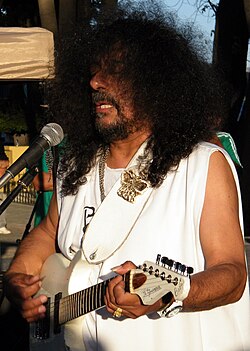
Parallel to the underground scene, música rupestre developed as a uniquely Mexican folk-rock style. Led by figures like Rockdrigo (the "Mexican Bob Dylan"), these "Urbanos" used acoustic guitars to describe the hardships of the working class. Rockdrigo's death during the 1985 Mexico City earthquake cemented his status as a legendary influence on rock urbano.
Modern Era and International Success
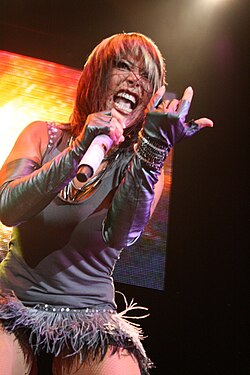
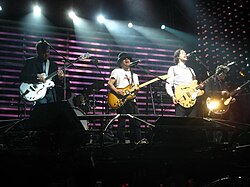
The 1990s and 2000s marked a period of international expansion. Alternative and indie acts gained global recognition, with bands like Café Tacuba and Jaguares winning Latin Grammy Awards. The scene diversified into ska with Maldita Vecindad and synthpop with Mœnia.
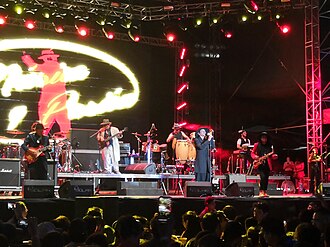
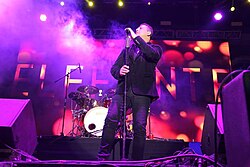
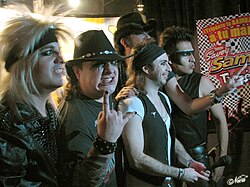
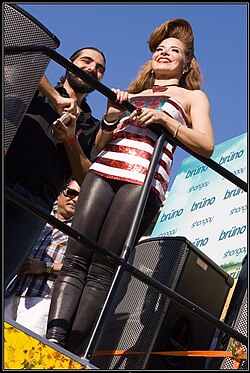
From the glam metal parodies of Moderatto to the pop-rock influence of Gloria Trevi and Alejandra Guzmán, Mexican rock continues to evolve, blending traditional roots with modern experimentation.
| Era/Movement | Key Characteristics | Notable Artists/Events |
|---|---|---|
| Early Rock (1950s) | Orchestras, English covers, Refritos | Gloria Ríos, Los Teen Tops |
| La Onda (1960s-70s) | Counterculture, bilingual lyrics | Carlos Santana, Avándaro Festival |
| Underground (1970s-80s) | Hoyos Fonquis, anti-establishment | El Tri, Tianguis del Chopo |
| Rupestre/Urbano (1980s) | Acoustic folk-rock, social themes | Rockdrigo |
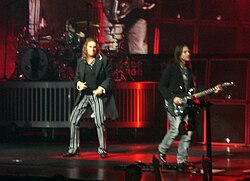
| Modern/Alternative (1990s+) | International fame, genre blending | Café Tacuba, Maná, Jaguares |
Frequently Asked Questions
What was the "Refrito" movement?
The Refrito movement occurred in the 1950s and early 60s when Mexican musicians reworked foreign rock songs to fit government restrictions on "proper family values," often toning down rebellious lyrics.
What was the significance of the Avándaro Festival?
Held in 1971, it was the "Mexican Woodstock." Its massive attendance and countercultural displays led to a government crackdown on rock music known as El Avandarazo.
What are "Hoyos Fonquis"?
Hoyos Fonquis (funky holes) were unsafe, underground venues where rock bands performed during the 1970s when the government restricted rock music in legitimate venues.
Who is considered the most influential figure in música rupestre?
Rockdrigo, often called the "Mexican Bob Dylan," is the most influential exponent of both música rupestre and rock urbano due to his focus on working-class urban life.
What is the Tianguis del Chopo?
It is a famous open-air market in Mexico City that serves as a hub for rock fans to trade records, buy merchandise, and attend live performances.