Merchandising: The Art and Science of Driving Retail Sales
At its core, merchandising is the strategic process of presenting products to retail consumers in ways that entice them to purchase more items. It is a multifaceted discipline that bridges the gap between a product's creation and its final sale, utilizing everything from visual displays to complex digital recommendation engines.
Whether it involves the careful arrangement of shelves in a local grocery store or the sophisticated algorithms used by e-commerce giants, merchandising aims to optimize the customer experience and maximize sales opportunities.
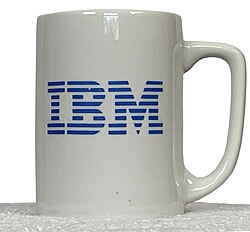
Coffee mugs are a classical merchandising item employed by entities ranging from very small businesses to multinational companies like IBM, and also musical groups.
Key Facts
- Merchandising encompasses product arrangement, pricing, packaging, and visual display.
- Licensed merchandising involves using intellectual property (characters or trademarks) on commercial products via contract.
- Advance selling is the practice of stocking merchandise weeks before a major event or season.
- Silent persuasion suggests that using branded promotional items can positively influence future consumer actions.
- Omnichannel retailing combines physical and online shopping experiences for a seamless customer journey.
The Evolution of Merchandising
The systematic principles of merchandising began to emerge in the 19th century. As the retail landscape shifted from small, independent shops to large department stores and modern supermarkets, retailers began to move beyond mere intuition. They started using designed display windows, planned customer movement, and deliberately arranged shelves to emphasize specific products.
By the 20th century, merchandising became a recognized academic and professional field. Retailers began to study the breadth and variety of product lines, inventory levels, and the strategic allocation of shelf space to convert foot traffic into revenue.
The Rise of Character Merchandising
A significant branch of the industry involves cultural symbols and characters. In 1903, author Beatrix Potter registered a patent for a Peter Rabbit doll, marking one of the first instances of a literary character being transformed into a consumer product line. This paved the way for the structured business models later perfected by Walt Disney Studios, which revolutionized how characters are licensed for toys, clothing, and other goods across the globe.

Peter Rabbit doll
Modern Merchandising Channels
Today, merchandising operates across various environments, each presenting unique challenges and opportunities.
Physical and Supply Chain Merchandising
In physical stores, merchandising is a critical part of the supply chain—the process of making products available to consumers. While store employees traditionally handled stocking, many modern retailers now utilize manufacturers, vendors, or wholesalers to manage shelf replenishment. This shift allows retailers to reduce labor costs while ensuring products like beverages, baked goods, and beauty items are always available.
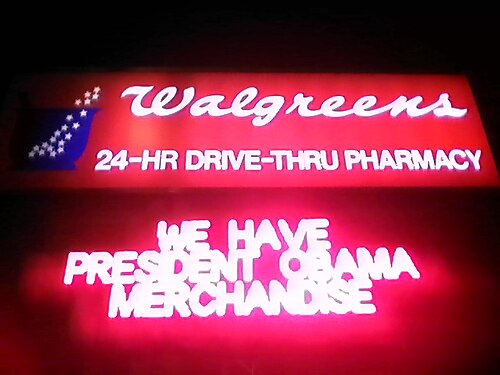
Merchandising at a Walgreens in Chicago
Online and Omnichannel Merchandising
Digital commerce introduces the challenge of sensory deprivation. Unlike in-store shopping, online consumers cannot touch or feel a product, which can lead to indecision, particularly in fashion retail. To combat this, online merchandising focuses on high-quality image presentation and sophisticated search and recommendation systems to mimic the in-store experience.
Many modern brands now adopt omnichannel retailing, a strategy that integrates both physical and digital channels. This approach provides a more favorable encounter for the consumer, though it requires significant technical and physical resources to maintain consistency across all platforms.
Specialized Merchandising Sectors
Merchandising strategies often vary based on the target demographic and cultural context.
Children and Adult Markets
For children, merchandising is heavily tied to films, television, and video games, often featuring action figures or items used by characters. For adults, the most prominent sector is professional sports, where fans purchase gear related to their favorite teams and players. Other niches include adult-oriented media (such as science fiction or horror) and brand-loyal merchandise, such as Harley-Davidson apparel.
Idol Goods and Celebrity Branding
Idol goods—merchandise related to celebrities or "idols”—are a massive driver in fandom culture. These items, ranging from stationery and T-shirts to photo albums, create a physical connection between the fan and the celebrity. The impact of a single individual can be immense; for example, the arrival of David Beckham at Real Madrid significantly boosted the sales of Adidas products bearing his name.
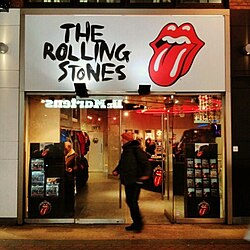
Rolling Stones merchandise for sale on Carnaby Street, London
Summary of Merchandising Types
| Type | Primary Focus | Key Examples |
|---|---|---|
| Visual Merchandising | Store layout, displays, and signage | Window displays, shelf arrangement |
| Licensed Merchandising | Intellectual property and trademarks | Disney characters, Peter Rabbit toys |
| Promotional Merchandising | Brand awareness and "silent persuasion" | Branded mugs, shirts, giveaways |
| Online Merchandising | Digital presentation and algorithms | Search engines, product images |
| Idol Merchandising | Celebrity and fandom connection | Concert T-shirts, photo albums |
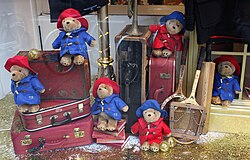
Christmas shopwindow at Selfridges department store in London with a Paddington Bear theme to mark the release of the 2014 film Paddington
Frequently Asked Questions
What is the difference between a product and merchandising?
A product is the actual item being sold, whereas merchandising refers to the strategies and processes used to present, promote, and display that product to encourage a sale.
How does licensed merchandising work?
In licensed merchandising, an owner of intellectual property (like a movie studio) grants permission to a manufacturer to use their characters or logos on products in exchange for royalty fees.
What is "silent persuasion" in marketing?
Silent persuasion is the theory that using branded promotional items (like a company mug) can influence a consumer's future purchasing behavior, even if they are not actively thinking about the brand at that moment.
Why do retailers use advance selling?
Advance selling involves stocking items weeks before a major event. This helps manage store capacity during peak seasons and ensures that products are available as consumer interest builds.
What are the challenges of online merchandising?
The primary challenge is the lack of sensory exploration. Online shoppers cannot feel textures or test sizes, which can lead to consumer indecision compared to the physical in-store experience.

A merchandise licensing disclaimer printed on the back of Hot Wheels packaging