Melilla Border Incident: Violent Clashes and Migrant Casualties
A violent confrontation erupted at the border crossing between Morocco and the Spanish enclave of Melilla, involving nearly 2,000 migrants and asylum seekers. The group, consisting primarily of individuals from Sudan—a nation marked by widespread human rights violations—had traveled on foot from the Aznouden forest near Nador in an attempt to enter Spanish territory.
The situation escalated when security forces from both Spain and Morocco arrived to disperse the crowd. This led to two hours of intense fighting. Officials from both nations reported that border guards were assaulted with weapons, necessitating a response in self-defense.
The Chaos at the Crossing
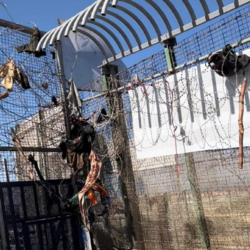
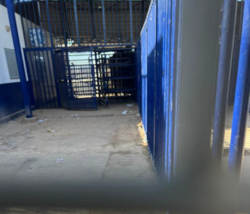
As the confrontation unfolded, some migrants managed to force open a gate, while others attempted to scale the border fence. However, those who successfully climbed the fence found themselves trapped in courtyards. These areas were equipped with turnstile doors that could not be opened from the inside, leading to severe overcrowding.
The resulting crush caused people to trample one another, while others suffered falls from the fence. This bottleneck created a lethal environment for those caught in the middle of the crossing attempt.
Casualties and Medical Findings
The human cost of the incident was significant. Official reports state that 23 migrants and asylum seekers died; five perished during the attempt, and 13 later died in the hospital from their injuries. A preliminary examination of the deceased revealed signs of cervicofacial congestion (swelling of the neck and face) and cyanosis (a bluish discoloration of the skin caused by lack of oxygen) on their faces.
In addition to the fatalities, 77 migrants were injured. Security forces also suffered casualties, with 140 Moroccan officers wounded (five seriously) and 49 Spanish Civil Guards sustaining light injuries. Ultimately, 133 people successfully reached Spanish territory, while 470 were pushed back to the border.
Conflicting Reports and Legal Aftermath
Discrepancies exist regarding the total death toll. The Moroccan Association for Human Rights reported 29 deaths and 70 missing persons, while the NGO Colectivo Caminando Fronteras estimated at least 37 fatalities. Some NGOs further claimed that two Moroccan gendarmes were killed during the unrest.
Spanish Prime Minister Pedro Sánchez characterized the event as a "well-organized, violent assault" orchestrated by organized crime groups, expressing gratitude toward the security forces involved. Following the incident, the deceased were buried in the Sidi Salem cemetery.
Legal actions followed in Nador, where the Moroccan public prosecutor's office detained 65 migrants (61 Sudanese and 4 Chadian). Of these, 29 were charged with felonies, including kidnapping a civil servant for hostage purposes, facilitating clandestine entry/exit, setting forest fires, and violence against law enforcement. Another 36 migrants faced misdemeanor charges. The Public Prosecutor's office has ordered DNA identification and autopsies for the deceased.
Key Facts
- Participants: Nearly 2,000 migrants, mostly from Sudan.
- Official Death Toll: 23 migrants (5 at the scene, 13 in hospital).
- Security Casualties: 140 Moroccan officers and 49 Spanish Civil Guards injured.
- Outcome: 133 reached Spain; 470 were pushed back.
- Medical Signs: Deceased showed cervicofacial congestion and cyanosis.
- Legal Action: 65 detainees charged with various felonies and misdemeanors.
| Category | Official Count | NGO Estimates |
|---|---|---|
| Migrant Deaths | 23 | 29 to 37 |
| Migrant Injuries | 77 | Not specified |
| Moroccan Officers Injured | 140 | Includes 2 deaths (NGO report) |
| Spanish Civil Guards Injured | 49 | Not specified |
| Successful Entries | 133 | Not specified |
Frequently Asked Questions
Where did the migrants originate from?
The majority of the migrants and asylum seekers were from Sudan, with a small number of Chadian nationals also among those detained.
What caused the deaths during the crossing?
Deaths were attributed to a combination of falls from the border fence and a crush in overcrowded courtyards where turnstiles prevented exit.
What were the medical findings on the deceased?
Preliminary examinations showed that every deceased person exhibited cyanosis on the face and cervicofacial congestion.
How did the Spanish government describe the event?
Prime Minister Pedro Sánchez described the incident as a violent assault that was well-organized by organized crime groups.
What charges were brought against the detainees?
Charges included the kidnapping of a civil servant to be used as a hostage, facilitating illegal entry and exit, insulting law enforcement, and starting forest fires.