Mehmed Rashid Pasha: The Reformist Statesman of the Ottoman Empire
Mehmed Rashid Pasha (1824–1876) was a pivotal figure in the 19th-century Ottoman administration, serving as a bridge between the imperial center in Istanbul and the diverse provinces of the Levant. A sophisticated diplomat and administrator, he rose through the ranks of the Sublime Porte (the central government of the Ottoman Empire) to hold some of the most influential positions in the state, including the governorship of Syria and the Ministry of Foreign Affairs.
His career was defined by the Tanzimat—a period of intensive modernization and reorganization aimed at strengthening the empire through legal, social, and administrative reforms. From his early education in Paris to his military campaigns in the Syrian hinterlands, Rashid Pasha embodied the reformist spirit of his era.
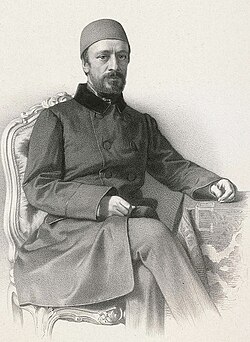
Key Facts
- Born: 1824 in Egypt.
- Major Roles: Vali (Governor) of Syria (1866–1871) and Minister of Foreign Affairs (1873–1874, 1875–1876).
- Education: Studied in Paris as part of an Egyptian educational mission.
- Key Achievement: Expanded direct Ottoman administrative control into the Balqa region of modern-day Jordan.
- Death: Assassinated on June 15, 1876, during a cabinet meeting in Istanbul.
Early Life and Rise to Power
Born in Egypt in 1824, Rashid Pasha was the son of Hasan Haydar Pasha, an ethnic Turk from Macedonia who served the powerful governor Muhammad Ali. This background provided Rashid with a cosmopolitan upbringing; in 1844, he was sent to Paris for his education, a move that equipped him with the European perspectives necessary for the Tanzimat reforms.
After returning to Egypt in 1849, he moved to Istanbul in 1851. There, he became a protégé of the reformist statesman Mehmed Ali Pasha. This mentorship was crucial, as it placed Rashid at the heart of the empire's modernization efforts, eventually leading to his appointment as the Vali of Smyrna and later the Governor of Syria.
Governing the Syria Vilayet (1866–1871)
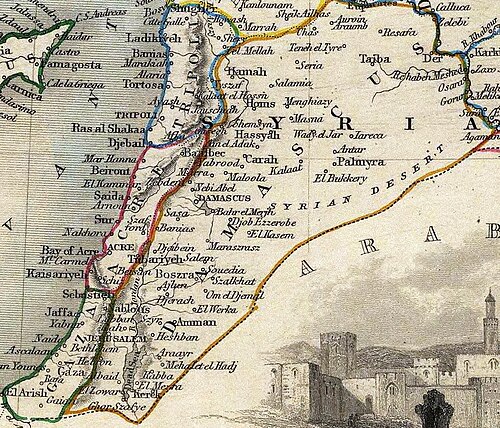
In August 1866, Rashid Pasha was appointed governor of the Syria Vilayet, a vast province centered in Damascus that encompassed territories from Tripoli and Hama in the north to Palestine and Transjordan in the south.
Administrative and Social Reforms
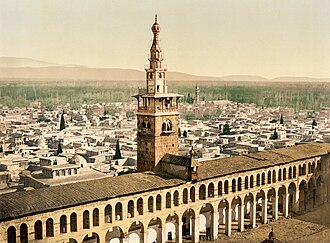
Rashid Pasha sought to stabilize the region by integrating local elites into the government. He established new municipal and administrative councils in Damascus, granting posts to local notables to secure their loyalty. He also reformed the office of the amir al-hajj (the commander of the annual pilgrimage caravan to Mecca), ensuring the role was filled by locals and provided with a higher salary.
One of his most significant institutional achievements was overseeing the first Syrian parliament (Majlis Suriye) in Beirut between December 1867 and January 1868. This body brought together Muslim and non-Muslim representatives from various districts to discuss infrastructure, commerce, and administrative improvements.
Centralizing the Hinterlands
Beyond the cities, Rashid Pasha worked to impose state authority over rebellious or autonomous regions:
- The Alawite Mountains: He conducted several campaigns against Alawite clans in the coastal mountains near Latakia and Tripoli to enforce conscription and stop raids on neighboring villages.
- Bedouin Tribes: In the eastern countryside of Homs and Hama, he used telegraphs and military garrisons in towns like Palmyra to deter Bedouin raiders.
- The Balqa and Jordan: Rashid Pasha led an unprecedented intrusion into the Balqa region. Through military campaigns against the Adwan and Bani Sakhr tribes, he formally established administrative units in Ajlun and Balqa, signaling that the Ottoman state intended to maintain a permanent presence in Jordan.
Diplomacy and Foreign Affairs
Following his tenure in Syria, Rashid Pasha transitioned to high-level diplomacy. He served as the Minister of Foreign Affairs twice and as the Ottoman ambassador to Austria-Hungary in Vienna.
International Conflicts and Sovereignty
As Foreign Minister, he navigated complex international disputes. During the Aceh War, he advocated for the honor of the Sultan of Aceh against Dutch intervention, though European pressure limited the empire's response to mediation. In Yemen, he managed tensions with Great Britain over the protectorates of Lahj and Hawshabi, asserting Ottoman sovereignty while attempting to respect British treaty obligations.
The Issue of Capitulations
Rashid Pasha was a vocal critic of the capitulations—treaties that granted European powers the right to protect foreign nationals (protégés) within Ottoman lands. He specifically requested that Britain end the protection of Ashkenazi Jews in Syria and Palestine, arguing that the system had become an "obsolescent institution" and a source of diplomatic friction.
The Tragic End
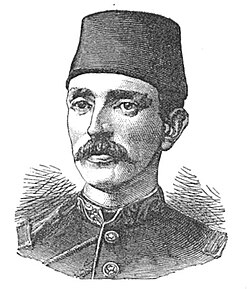
The career of Rashid Pasha ended abruptly and violently. On June 15, 1876, during a cabinet meeting at the home of Midhat Pasha in Istanbul, he was shot by Çerkez Hasan Bey, a disgruntled officer and brother-in-law to Sultan Abdulaziz. While Hasan Bey's primary target was the Minister of War, Huseyin Avni Pasha, Rashid Pasha was killed in the ensuing chaos. Hasan Bey was captured and executed shortly thereafter.
Summary of Career Milestones
| Period | Role | Key Focus/Region |
|---|---|---|
| 1851 | Government Service | Istanbul (Protégé of Ali Pasha) |
| c. 1862–1866 | Vali of Smyrna | Administrative Governance |
| 1866–1871 | Vali of Syria | Centralization, Reform, and Military Campaigns |
| 1873–1874 | Minister of Foreign Affairs | International Diplomacy (Aceh, Yemen) |
| 1874–1875 | Ambassador to Austria-Hungary | Diplomatic Relations in Vienna |
| 1875–1876 | Minister of Foreign Affairs | Capitulations and Sovereignty |
Frequently Asked Questions
Who was Mehmed Rashid Pasha?
He was a prominent 19th-century Ottoman statesman who served as the Governor of Syria and the Minister of Foreign Affairs, known for his efforts to modernize administration and expand state control in the Levant.
What were Rashid Pasha's main achievements in Syria?
He established the first Syrian parliament in Beirut, created new municipal councils in Damascus, and successfully extended direct Ottoman rule into the Balqa region of Jordan through military and administrative means.
How did Rashid Pasha handle the "capitulations"?
He viewed the capitulations as a humiliation to Ottoman sovereignty and actively lobbied European powers, particularly Britain, to stop granting protection to foreign nationals residing in the empire.
How did Mehmed Rashid Pasha die?
He was killed on June 15, 1876, during a cabinet meeting in Istanbul when Çerkez Hasan Bey opened fire on the ministers, primarily targeting the Minister of War.
What was the significance of his campaigns in Jordan?
Historians note that his expeditions into the Balqa represented an unprecedented level of direct Ottoman intrusion and administration in the region, confirming the empire's intent to stay in Jordan.