Martín Fierro: The Definitive Epic of the Argentine Gaucho
In the heart of Argentine literature lies Martín Fierro, a monumental epic poem that serves as a cultural touchstone for national identity. Written by José Hernández, this 2,316-line work captures the spirit, struggles, and societal displacement of the gaucho—the skilled horsemen of the Argentine pampas who played a pivotal role in the nation's independence from Spain.
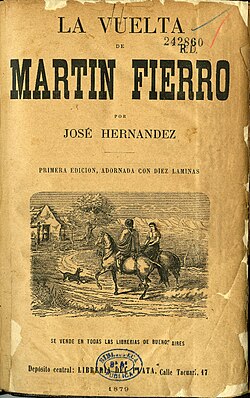
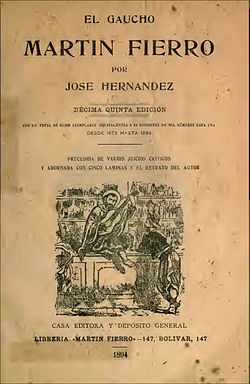
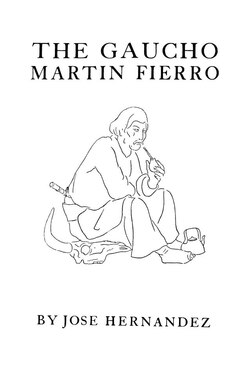
Originally published in two distinct parts—El Gaucho Martín Fierro (1872) and La Vuelta de Martín Fierro (1879)—the poem is the pinnacle of gauchesque poetry. This genre focuses on the lives of gauchos and utilizes a style known as payadas, which are traditional rural ballads often performed as singing duels.
Key Facts
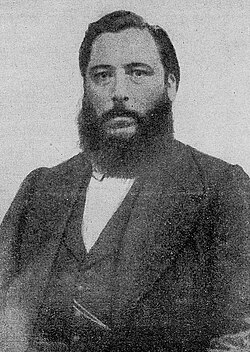
- Author: José Hernández, who spent years living among gauchos and serving in border wars.
- Structure: A 2,316-line poem divided into two parts published in 1872 and 1879.
- Global Reach: Translated into over 70 languages and printed in hundreds of editions.
- Cultural Impact: The namesake of the Martín Fierro Award, Argentina's most prestigious radio and television prize.
- Literary Status: Regarded by critics like Leopoldo Lugones as the Argentine equivalent of the Divine Comedy or Don Quixote.
The Narrative Journey
El Gaucho Martín Fierro (1872)
The first part of the epic introduces Martín Fierro, an impoverished gaucho who is forcibly drafted into the army to defend the inner frontier against native peoples. While his early life on the pampas is romanticized, his military service is depicted as brutal. After deserting the army, Fierro returns home to find his farm and family gone.
Driven by desperation and anger, Fierro becomes an outlaw. Following a series of violent encounters, including a fatal knife duel sparked by an insult to a woman in a bar, he is pursued by the police militia. During a battle, he is joined by Sergeant Cruz, a soldier who defects after being inspired by Fierro's bravery. Together, the two flee to live among the native populations in search of a better life.
La Vuelta de Martín Fierro (1879)
The sequel provides a stark, unsentimental contrast to the first volume. Fierro and Cruz find that their hopes for sanctuary are dashed; they are viewed as spies and held as prisoners by the natives. The narrative describes the horrors of an epidemic that eventually claims the lives of both Cruz and the local chieftain (cacique).
Fierro eventually returns to "civilized" society, rescuing a woman accused of witchcraft. The story culminates in a series of mythic encounters, including a reunion with his surviving sons and a night-long payada (singing duel) with a black singer who is the brother of the man Fierro killed years prior. The poem ends with Fierro contemplating a life of peace under a new name.
Style, Structure, and Artistry
Hernández employed a sophisticated poetic structure to mirror the rural music of the pampas. He used eight-syllable lines organized into rhyming six-line stanzas. A unique innovation was keeping the first line of each stanza "free" (unrhymed), allowing the author to establish a thesis before moving into the rhyme scheme.
Unlike other writers of the era, Hernández avoided excessive colloquialisms. Having lived among the gauchos, he used a mildly archaic style and phonetic spellings to create an authentic sense of place. The poem's tone shifts dynamically, moving from romantic nostalgia to a brutal protest against military conscription, and finally to a metaphysical reflection on fate and identity.
Critical Reception and Legacy
While an immediate popular success—selling 48,000 copies by the time the second part was released—it took a generation for Martín Fierro to be recognized as a classic. It was sold not only in bookstores but in pulperías (rural bars), where it was often read aloud for public entertainment.
Literary giants have offered varying interpretations of the work. Jorge Luis Borges viewed it as a "verse novel" and admired its accuracy, though he cautioned against admiring Fierro's violent actions. Roberto Bolaño described it as a novel of "liberty and filth," focusing on valor rather than morals. More recently, Gabriela Cabezón Cámara's 2017 novel Las aventuras de la China Iron reclaimed the story from the perspective of Fierro's abandoned wife.
| Title | Publication Year | Primary Theme | Tone |
|---|---|---|---|
| El Gaucho Martín Fierro | 1872 | Conscription and Outlawry | Romantic to Protest |
| La Vuelta de Martín Fierro | 1879 | Exile, Loss, and Return | Unsentimental and Mythic |
Frequently Asked Questions
What is a "gauchesque" poem?
Gauchesque poetry is a literary genre centered on the life, language, and culture of the gaucho. It typically utilizes the style of payadas, which are traditional rural ballads.
Who was the author José Hernández?
José Hernández was an Argentine writer who spent significant time living among gauchos in the pampas and served in both the regular army and border wars, providing him with the first-hand experience needed to write the epic.
What is the significance of the Martín Fierro Award?
Named after the poem, the Martín Fierro Award is the most respected honor for radio and television programs in Argentina, granted by the Association of Argentine Television and Radio Journalists (APTRA).
How did Jorge Luis Borges view the poem?
Borges considered the work a "verse novel" and one of the few truly great books of Argentine literature, though he believed the protagonist's violent behavior should be viewed with horror rather than admiration.
What happens to Martín Fierro at the end of the story?
After a series of encounters with his sons and a final singing duel, Fierro speaks of changing his name to live in peace, though some critics, including Borges, suggest the resolution of his conflicts remains ambiguous.