María Elena Walsh: The Voice of Argentine Childhood and Poetic Resistance
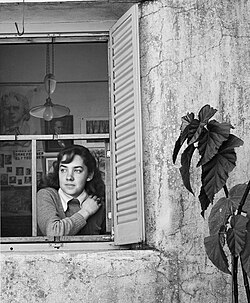
María Elena Walsh was a towering figure in Argentine culture—a polymath whose influence spanned poetry, music, theater, and literature. While she is most beloved for her whimsical songs and stories that defined childhood for generations in Argentina, her body of work also encompasses sharp social commentary, autobiographical novels, and a lifelong commitment to artistic freedom.
From her early days as a precocious teenage poet to her later years as a celebrated cultural icon, Walsh blended the surreal with the everyday, creating a unique linguistic world that captivated both children and adults.
Key Facts
- Born: February 1, 1930, in Ramos Mejía, Argentina.
- Died: January 10, 2011, in Buenos Aires, Argentina.
- Primary Legacy: Pioneer of modern children's literature and music in Argentina.
- Major Works: El Reino del Revés, Dailán Kifki, and the album Canciones para mí.
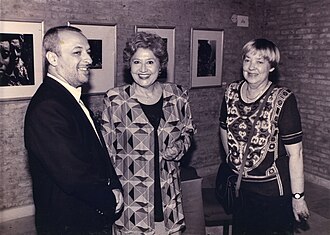
- Key Partnership: Long-term partner of photographer Sara Facio from 1978 until 2011.
- Honors: Recipient of the José Martí world prize for children's literature (1995).
Early Life and Literary Beginnings
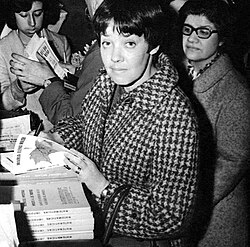
Born to Enrique Roberto Walsh, a railway employee of Irish descent, and Lucía Elena Monsalvo, María Elena showed an early aptitude for writing. Her literary journey began remarkably early; at just 17 years old, she published her first book, the acclaimed Otoño Imperdonable.
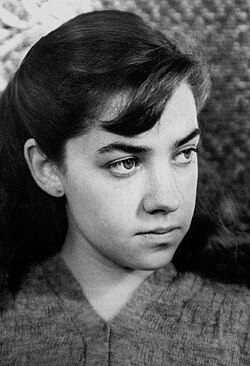
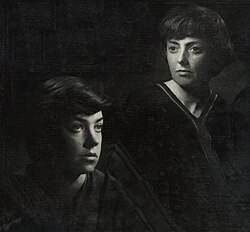
The late 1940s and early 1950s were a period of exploration and international influence. Walsh traveled to Maryland and later spent time in France between 1953 and 1958. During her time in Europe, she formed a significant artistic duo with Leda Valladares, recording traditional Argentine music and folk songs.
The Revolution of Children's Literature
By the late 1950s, Walsh shifted her focus toward children. She recognized a void in the available material for young audiences and began writing TV scripts, plays, and songs that embraced the absurd—a style where logic is overturned to spark imagination.
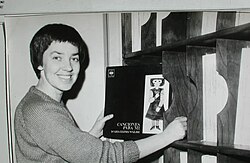
Her recordings, such as Canciones para mirar and El País de Nomeacuerdo, became staples of Argentine households. She also created beloved characters like Doña Disparate and Bambuco, which eventually led to the film Juguemos en el mundo, directed by her then-partner María Herminia Avellaneda.
Defining Works for Children
Walsh's children's repertoire was not merely entertainment; it was a poetic revolution. Key works include:
- El Reino del Revés: A collection of poems and songs depicting a world turned upside down.
- Dailán Kifki: A novel that introduced children to complex themes through a narrative lens.
- El Diablo Inglés: A notable collection of short stories.
Adult Works and Political Resistance
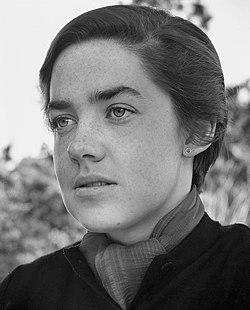
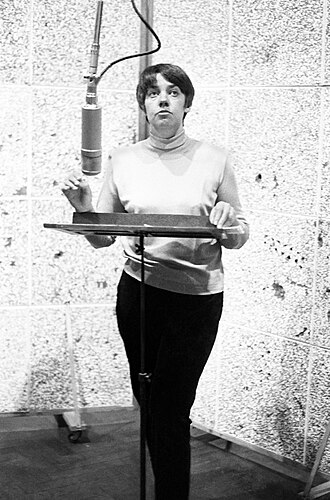
While her children's work brought her fame, Walsh was equally committed to writing for adults. Her poetry and songs for grown-ups often dealt with nostalgia, love, and the harsh realities of Argentine politics. In the 1970s, she toured the Americas and performed recitals such as El buen modo.
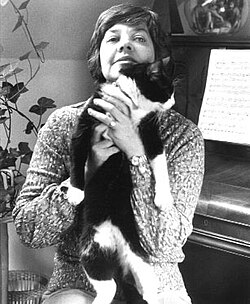
The period between 1976 and 1982 was one of the most challenging of her life. During the military government's rule, Walsh faced severe censorship. She famously reflected on this era in her 1979 publication "Desventuras en el país-jardín-de-infantes." The oppressive atmosphere led her to a period of premature retirement from composing, as she felt there was "no right to be festive" under such a regime.
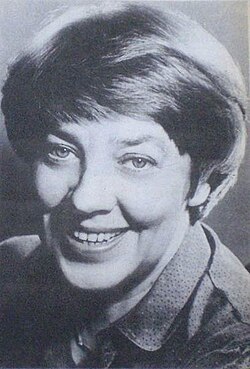
Later Years and Lasting Legacy
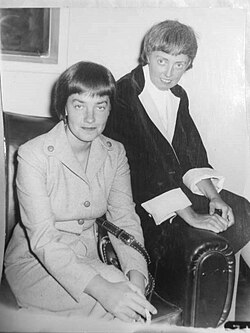
With the return of democracy in 1983, Walsh entered a period of widespread recognition. She was named an "Illustrious Citizen of the City of Buenos Aires" in 1985 and received an honorary doctorate from the University of Córdoba in 1990.
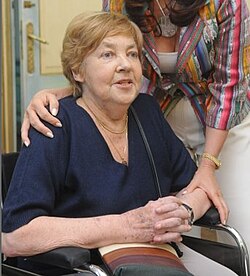
In her final years, she continued to write, publishing Hotel Pioho's Palace (2002) and the autobiographical Fantasmas en el parque (2008). In the latter, she publicly honored her partner of 30 years, Sara Facio, describing her as her "great love."
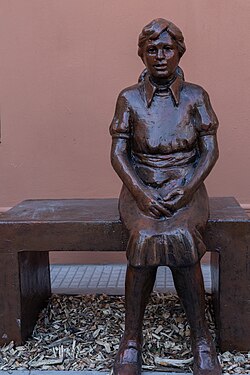
Walsh passed away on January 10, 2011, at the age of 80. Today, her home has been preserved as the María Elena Walsh House Museum, ensuring that her spirit of creativity and rebellion continues to inspire.
Summary of Artistic Contributions
| Category | Key Works / Achievements | Notable Period |
|---|---|---|
| Children's Literature | El Reino del Revés, Dailán Kifki | 1960s – 1980s |
| Adult Poetry/Novels | Otoño Imperdonable, Fantasmas en el parque | 1947 – 2008 |
| Music | Canciones para mí, Duo with Leda Valladares | 1950s – 1970s |
| Awards | José Martí World Prize, Order of the Smile | 1980s – 1990s |
Frequently Asked Questions
What is María Elena Walsh most famous for?
She is most famous for her revolutionary children's songs and books in Argentina, particularly those that used nonsense and the absurd to engage a child's imagination, such as El Reino del Revés.
How did the Argentine military government affect her work?
Walsh faced heavy censorship under the military regime. This led her to stop composing and writing for a period between 1976 and 1982, as she believed the political climate made festive art impossible.
Who was Sara Facio?
Sara Facio was a renowned photographer and the partner of María Elena Walsh from 1978 until Walsh's death in 2011. Walsh described her as her "great love" and a source of perfect companionship.
Did she write only for children?
No. While her children's work is her most popular, she began her career with adult poetry (Otoño Imperdonable at age 17) and wrote several novels and satirical songs for adults throughout her life.
What is the significance of the María Elena Walsh House Museum?
The museum is located at her former residence and serves as a cultural center to preserve her legacy and the artistic treasures she shared with Sara Facio.