Mar del Plata Station: The Evolution of Argentina's Coastal Transport Hub
Located at San Juan 1473 in the heart of the city, the Estación Ferroautomotora Eva Perón serves as a vital multimodal transport hub for Mar del Plata, Buenos Aires Province. Connecting the coastal city to the capital, this facility integrates both railway and bus services, facilitating the movement of millions of travelers to one of Argentina's most beloved seaside destinations.
Key Facts
- Official Name: Estación Ferroautomotora Eva Perón.
- Operator: Trenes Argentinos.
- Distance: Approximately 400 km (250 mi) from Buenos Aires.
- Capacity: 5 railway platforms and 42 bus garages.
- Passenger Volume: Capable of handling 2,200,200 passengers per day.
- Line: Part of the Roca railway line.
A Century of Railway History
The story of rail travel in Mar del Plata began on September 26, 1886, when the first train arrived at the original station, built and operated by the British-owned BA Great Southern. As the city grew into Argentina's premier summer tourist destination, the original facility—later known as the "Norte" station—struggled to keep pace with demand.
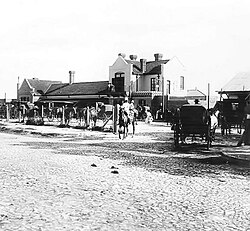
By 1910, the surge in summer traffic led to the creation of a second facility, "Mar del Plata Sur," which opened on December 1, 1910. For years, the Sur station operated primarily during the peak summer months, while the Norte station handled year-round traffic. However, following the nationalization of the railway network, the Sud station was closed in 1949 to reduce costs and was subsequently converted into a bus station.
The Modern Era: Integration and Expansion
The current transport landscape shifted in 2009 when a new bus terminus was opened. In 2011, architect Claudio Luis Lucarelli extended the tracks from the old Norte station to connect with this new terminal, officially transforming it into a combined railway and bus hub.
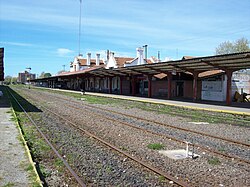
This modernization project involved significant investment: $19.5 million for the bus section and $117.4 million for the railway section. The resulting facility is a comprehensive center featuring 50 shops, 3 restaurants, 51 ticket offices, and accessible toilets.
Rolling Stock and Service Challenges
The station has seen various attempts to modernize its fleet. In 2011, the government introduced air-conditioned Talgo trains from Spain, featuring a capacity of 214 passengers per unit. However, these were retired in 2012 due to high maintenance costs and the revocation of the Talgo contract.
In November 2014, the government introduced luxury CNR CKD8 trains manufactured by the Chinese company CSR. These units offer a significantly higher capacity of 565 passengers, utilizing 12 coaches including first-class, pullman, and restaurant carriages.
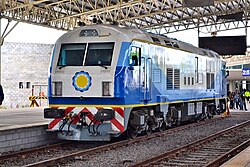
Despite these upgrades, long-distance services from Constitución to Mar del Plata were suspended in 2015 due to critical infrastructure failures, including broken sleepers, deficient signaling, and poor communication systems. Service was finally reestablished in July 2017, currently operating two daily trips with 12 intermediate stops, including cities such as Dolores, Chascomús, and General Guido.
Station Specifications Summary
| Feature | Detail |
|---|---|
| Railway Platforms | 5 |
| Bus Garages | 42 |
| Commercial Spaces | 50 Shops / 3 Restaurants |
| Ticket Offices | 51 |
| Primary Route | Constitución (Buenos Aires) — Mar del Plata |
Frequently Asked Questions
What is the official name of the Mar del Plata station?
The station is officially named Estación Ferroautomotora Eva Perón.
Which company currently operates the train services?
The services are operated by the state-owned company Trenes Argentinos Operaciones.
Why were the Talgo trains replaced?
The Talgo trains were retired in 2012 because the government found the maintenance and service costs to be too expensive.
What happened to the old "Mar del Plata Sud" station?
After closing as a railway station in 1949, it served as a bus station. It has since been preserved as a cultural center alongside the Paseo Aldrey shopping mall.
Why was the service from Buenos Aires suspended in 2015?
The suspension was caused by poor track conditions, including broken sleepers, a deficient signaling system, and poor visibility at level crossings.