Māori Pā: The Evolution of Traditional and Gunfighter Fortifications
The pā is a cornerstone of Māori military architecture, evolving from traditional village settlements into sophisticated defensive fortifications. Originally designed to protect communities and resources, these structures adapted rapidly in the 19th century to counter the introduction of European gunpowder weapons, resulting in the innovative "gunfighter pā."
Key Facts
- Traditional Pā: Utilized earth ramparts, terraced hillsides, and wooden palisades for defense.
- Gunfighter Pā: Specialized fortifications designed to resist artillery and muskets, featuring bunkers and firing trenches.
- Construction Time: Simple gunfighter pā could be built in 2 to 15 days, while classic constructions took months or years.
- Strategic Design: Some pā, like Ruapekapeka, were built specifically as decoys to draw enemies away from inhabited areas.
- Environmental Integration: Swamp and lake pā utilized natural wetlands to limit enemy access.
Traditional Fortification Methods
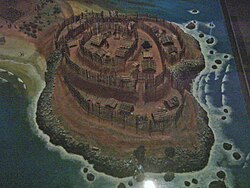
Classic pā relied heavily on the natural topography of the land. Defenders constructed earth ramparts or terraced hillsides, which were then topped with stakes or wicker barriers. These sites often included rua (food storage pits), ditches, and multiple terraces to create a tiered defense system.
Attacking a classic pā typically involved three primary strategies: surprise night attacks, long-term sieges based on food resource endurance, or the use of a Rou. The Rou was a half-meter length of strong wood attached to a rope made from raupō leaves, which was slipped over the palisade and pulled by a team of toa (warriors) to collapse the wall.
The Rise of the Gunfighter Pā
With the arrival of the British Army and their heavy artillery—including howitzers and rocket artillery—Māori warrior chiefs like Te Ruki Kawiti adapted their tactics. The resulting gunfighter pā were designed specifically to neutralize superior firepower.
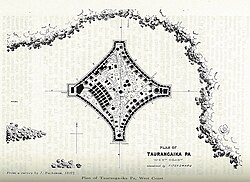
These advanced fortifications featured palisades made of hard pūriri trunks sunk 1.5 meters into the ground. To absorb the impact of shells, bundles of protective flax padding were added. The layout often included two lines of palisades covering a firing trench with individual pits, allowing defenders in the second line to fire over the heads of those in the first.
Engineering and Innovation
To survive heavy bombardment, Māori engineers constructed communication trenches, tunnels, and underground bunkers. These bunkers consisted of wooden beams covered by a deep layer of earth, providing essential shelter during shelling. While some historians have incorrectly credited Māori with inventing trench warfare—which was actually developed by French engineers in the 1700s—the Māori application of earthworks was highly sophisticated.
A notable example is Ruapekapeka, a purpose-built fortification designed to lure the British away from habitation. During the Battle of Ruapekapeka, the British suffered 45 casualties compared to 30 Māori casualties. The British were so impressed by the design that their engineers later produced a scale model and presented the plans to the House of Commons.
Swamp and Lake Pā
In flatter regions like the Waikato, swamp pā were common. These were often built for whānau (extended family) groups and utilized the surrounding wetlands as a natural barrier. While the lake-facing side usually had a single row of palisades, the landward side was protected by a double row.
The Mangakaware swamp pā, for instance, spanned approximately 3,400 square meters and contained about 500 palisade posts. It housed eight buildings, including whare (houses), a cooking shelter, and a storehouse. These locations provided easy access to food sources such as eels, ducks, weka (swamp hen), and fish.
Seasonal and Cultural Factors
The effectiveness of these fortifications was sometimes limited by the need for seasonal migration. Pā were often abandoned for 4 to 6 months a year so inhabitants could cultivate food or gather resources. Additionally, a pā might be abandoned if a chief was killed or if a tohunga (spiritual expert/priest) attributed a calamity to an atua (evil spirit/deity).
Because summer was the traditional fighting season, Māori were often at a logistical disadvantage against the British Army, which could maintain military operations year-round.
Summary of Pā Types
| Feature | Classic Pā | Gunfighter Pā | Swamp Pā |
|---|---|---|---|
| Primary Defense | Terraces & Ramparts | Bunkers & Firing Trenches | Wetlands & Palisades |
| Key Materials | Earth, Wicker, Stakes | Pūriri trunks, Flax padding | Wooden posts, Peat/Water |
| Purpose | Habitation & Defense | Anti-artillery Warfare | Family-sized settlements |
| Construction Time | Months to Years | 2 to 15 Days (simple versions) | Variable |
Frequently Asked Questions
Did Māori invent trench warfare?
No. While Māori were highly skilled in earthworks, serious military earthworks were first recorded by French military engineers in the 1700s and were used in the US Civil War and Crimea before the gunfighter pā evolved.
What was the purpose of the flax padding in gunfighter pā?
Flax padding was used in later gunfighter pā to provide a protective layer on the palisades, helping to absorb the impact of gunpowder weapons and artillery.
Why were some pā abandoned seasonally?
Inhabitants frequently had to leave their fortifications for 4 to 6 months of the year to cultivate crops, such as kūmara, or to gather food from the wilderness.
What was a Rou and how was it used?
A Rou was a defensive-breaching device consisting of a half-meter length of strong wood attached to a rope made from raupō leaves. Warriors would slip it over a palisade and pull together to bring the wall down.
What made the Ruapekapeka pā unique?
Unlike traditional pā that protected a place of habitation, Ruapekapeka was a purpose-built defensive fortification designed specifically to draw British forces away from other areas.