Mantraps: History, Types, and Legal Implications
A mantrap is a mechanical physical security device designed to capture individuals such as poachers, art thieves, and other trespassers. While these devices were once common tools for protecting property, their use has evolved from widespread application to strict legal regulation due to the risks they pose to human safety.
Common Types of Mantraps
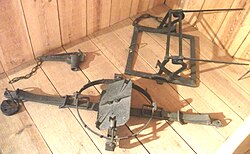
Mantraps have taken various forms depending on the intended goal of the property owner. The most common design is similar to a large foothold trap, utilizing powerful steel springs armed with teeth that snap shut on a person's leg upon activation.
Beyond the traditional spring-loaded trap, other methods of capturing trespassers include:
- Special snares and trap netting for entanglement.
- Trapping pits designed to drop an intruder into a hole.
- Fluidizing solid matter traps.
- Cage traps used for non-lethal containment.
Legal History and Regulations
The legality of mantraps has shifted significantly over the last two centuries. In England, these devices were made illegal in 1827, with a narrow exception: they could be used in houses between sunset and sunrise specifically as a defense against burglars.
In the United States, the legal landscape is even more restrictive. Mantraps that employ deadly force are illegal. Under tort law—the branch of law dealing with civil wrongs—trespassers have successfully sued property owners for damages resulting from injuries caused by these devices.
The Precedent of Katko v. Briney
A landmark American court case, Katko v. Briney, established a critical legal principle regarding property defense. The court ruled that "the law has always placed a higher value upon human safety than upon mere rights of property," effectively limiting the ability of owners to use dangerous mechanical traps to protect their land.
Key Facts
- Purpose: Designed to catch poachers, art thieves, and trespassers.
- Common Design: Steel spring-loaded teeth similar to large foothold traps.
- English Law: Banned in 1827, except for nighttime residential burglary defense.
- US Law: Deadly force mantraps are illegal; property owners can be sued for damages.
- Public Safety: These devices pose a significant risk to emergency personnel, such as firefighters.
Summary of Mantrap Characteristics
| Category | Examples/Details | Legal Status/Risk |
|---|---|---|
| Mechanical Traps | Foothold traps, spring guns | Highly restricted/Illegal if deadly |
| Containment Traps | Cage traps, netting, snares | Variable by jurisdiction |
| Environmental Traps | Trapping pits, fluidizing matter | Subject to tort law liability |
Frequently Asked Questions
What is a mantrap?
A mantrap is a mechanical device used for physical security to capture trespassers, such as art thieves or poachers.
Are mantraps legal in the United States?
Mantraps that use deadly force are illegal in the U.S., and owners may be held liable for damages in civil court.
Why are mantraps considered dangerous to emergency services?
Firefighters and other emergency personnel may need to enter a building forcefully during an emergency, placing them at risk of being injured by hidden traps.
What happened in the Katko v. Briney case?
The court determined that human safety is more valuable than property rights, ruling against the use of dangerous traps to protect property.
When were mantraps banned in England?
They were made illegal in 1827, though they remained permitted in homes between sunset and sunrise to deter burglars.