Malaysian Rock Music: A History of Underground and Mainstream Evolution
Malaysian rock music is a vibrant tapestry of sound, characterized by a rich and diverse history that spans several decades. From the stadium-filling anthems of the 1980s to the gritty energy of the underground punk scene, the genre has evolved through various subgenres including rock kapak, punk rock, hardcore, post-hardcore, metalcore, alternative rock, and post-rock. This musical movement has not only captured the hearts of local listeners but has also achieved international recognition in countries such as Indonesia, Singapore, and Japan.
Key Facts
- Rock kapak emerged in the late 1980s as one of Malaysia's most iconic rock styles.
- The punk rock scene began in the late 1980s, with Mallaria being an early pioneer.
- Pop Shuvit achieved significant international success, specifically charting in the Top 20 at Tower Records in Japan.
- The early 2000s saw a surge in heavier sounds, including hardcore, metalcore, and speed metal.
- The scene has evolved from predominantly English lyrics to incorporating Bahasa Malaysia.
The Era of Rock Kapak
Emerging in the late 1980s, rock kapak stands as one of the most popular and defining types of rock in Malaysia. This genre is characterized by melodic vocals, emotionally charged lyrics, and heavy guitar riffs. It blended classic rock elements with local musical influences to create a sound that resonated deeply with the public.
Pioneering bands such as Search, Wings, XPDC, and Kembara were instrumental in defining the genre. These groups enjoyed massive popularity throughout the 1990s, establishing rock kapak as a cornerstone of the Malaysian music landscape.
The Evolution of Punk Rock
The Late 1980s Foundations
The Malaysian punk rock scene began to take shape in the late 1980s. A key early figure was Mallaria, formed around 1986 in Kuala Terengganu. Described as playing crossover thrash (a blend of hardcore punk and thrash metal), Mallaria released a four-song demo mix in 1987. Although they never signed with a major label, the band's members influenced subsequent groups; the drummer later formed The Stone Crows, and the guitarist played in PROV, DPSA, and Zink.
The 1990s Underground Boom
By the early 1990s, Kuala Lumpur became a hub for a thriving underground scene. This era saw the rise of bands like The Pilgrims, Carburetor Dung, The Bollocks, Formation Bee, Stoink, The United Color of Frustration, Marlinspike, and Mechanical-Baby. Simultaneously, the Oi! and streetpunk movements gained traction, with bands such as A.C.A.B., The Official, and Roots 'n' Boots adopting the aesthetics of the skinhead and mod subcultures.
Growth and International Reach (Mid-1990s to Late 2000s)
From the mid-1990s onward, the scene expanded with more frequent showcases and events. A significant linguistic shift occurred as bands began moving from English to Bahasa Malaysia. Prominent bands from this era include OAG, Butterfingers, MARIONEXXES, Estranged, Pop Shuvit, Bunkface, and Paku.
These artists found success beyond Malaysia. Pop Shuvit, in particular, became a major success in Japan, completing several headlining tours and achieving a Top 20 album chart position at Tower Records.
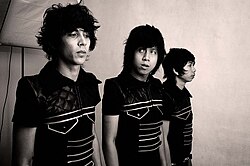
This period also saw the birth of "sambarock," a unique fusion pioneered by Darkkey Nagaraja and his band The Keys, which combined hard rock with folkloric Tamil music and a Michael Jackson-inspired stage presence. Other diverse sounds emerged as well, including progressive rock from Samarkand, post-rock from Damn Dirty Apes, and reggae from Pure Vibracion.
Hardcore, Metalcore, and Speed Metal
The early 2000s marked a shift toward heavier, more aggressive sounds. Hardcore punk gained momentum through bands like Devilica, Kias Fansuri, and Second Combat. This paved the way for the growth of metalcore and post-hardcore, with a wide array of bands bringing these sounds to the forefront, including Forsaken, Foreground Division, Groundless Victim, Beyond Sight, Groundrule, Amarah, Dewata, Furion Escalada, Dominator, Tyrant, Dead Eyes Glow, Mad Monsters Attack, Restraint, and LoveMeButch.
Indie and Post-Rock Landscapes
The modern Malaysian rock scene continues to experiment with indie and post-rock styles. This diverse soundscape is shaped by bands such as Crossing Boundaries, Hujan, Moi Last Von, Meet Uncle Hussain, Grey Sky Morning, The Endleaves, Deepset, and Maxim Smirnov.

| Subgenre | Key Era | Notable Artists |
|---|---|---|
| Rock Kapak | Late 1980s - 1990s | Search, Wings, XPDC, Kembara |
| Punk Rock / Crossover | Late 1980s - 2000s | Mallaria, Bunkface, Pop Shuvit, Butterfingers |
| Hardcore / Metalcore | Early 2000s | Devilica, Forsaken, Amarah, Beyond Sight |
| Indie / Post-Rock | Modern Era | Hujan, Meet Uncle Hussain, The Endleaves |
| Sambarock | Mid-1990s to 2000s | Darkkey Nagaraja & The Keys |
Frequently Asked Questions
What is rock kapak?
Rock kapak is an iconic Malaysian rock genre that emerged in the late 1980s, known for its heavy guitar riffs, melodic vocals, and emotionally charged lyrics.
Which Malaysian punk band achieved success in Japan?
Pop Shuvit achieved remarkable success in Japan, including headlining tours and a Top 20 album charting at Tower Records.
What is sambarock?
Sambarock is a genre pioneered by Darkkey Nagaraja and The Keys that blends hard rock with folkloric Tamil music and a performance style inspired by Michael Jackson.
When did the Malaysian punk scene begin?
The scene began to take shape in the late 1980s, with bands like Mallaria forming around 1986 in Kuala Terengganu.
What are some notable indie and post-rock bands in Malaysia?
Notable artists in these genres include Hujan, Meet Uncle Hussain, The Endleaves, and Crossing Boundaries.