Los Gatos: The Pioneers of Argentine Rock
In the late 1960s, a musical revolution took hold in Argentina, shifting the landscape of popular music forever. At the heart of this movement were Los Gatos (Spanish for "the Cats"), a group that bridged the gap between global rock trends and local identity. Emerging from Rosario, they became one of the founding trinity of Spanish-language rock in Argentina, alongside the influential bands Almendra and Manal.
Key Facts
- Origin: Rosario, Argentina.
- Active Years: 1967–1970 (with a reunion tour in 2007).
- Defining Hit: "La balsa," which sold over 200,000 copies.
- Genres: Pop rock, psychedelic rock, blues rock, and garage rock.
- Legacy: Pioneered the use of the Spanish language in Argentine rock music.
The Birth of a Movement
Los Gatos was formed in 1967 by Litto Nebbia and Alfredo Toth following the dissolution of their previous band, Los Gatos Salvajes. The group's trajectory changed forever in June 1967 with the recording of their debut single, "La balsa" / "Ayer nomás."
The story behind "La balsa" is legendary in Argentine music history. The song was composed in the bathroom of La Perla del Once, a 24-hour cafe popular with workers and students. The band members had retreated to the bathroom to avoid being evicted by the restaurant staff for playing loud music while spending very little money. With help from Tanguito, they crafted a track that would become a cultural phenomenon.
Released on July 3, 1967, "La balsa" became an unexpected smash hit. Beyond its commercial success, the song's lyrics reflected the loneliness and repression of 1960s Argentina. This resonated deeply with a youth movement that called themselves náufragos (castaways), who protested the government's obsession with productivity through "performative idleness," such as napping in public parks and hosting dance parties.
Musical Evolution and Experimentalism
Following their debut, Los Gatos expanded their sound and reach. In 1968, they toured the Southern Cone and released their third album, Seremos amigos, which leaned heavily into the psychedelic rock trends of the era.
After a brief hiatus, the band returned in 1969 with Beat N°1. This era saw the addition of the guitarist Pappo, whose gritty blues style contrasted with Litto Nebbia's classical melodic sensibilities. While this tension made the album uneven, it also produced dazzling passages that are now recognized as some of the earliest examples of progressive rock (a genre characterized by complex structures and experimental instrumentation) in the region.
Censorship and the Final Act
The band's final studio effort in 1970 highlighted the political tensions of the time. The album was originally titled Rock de la mujer podrida ("Rotten woman's rock"), but government censorship forced the band to change the title to Rock de la mujer perdida ("Lost woman's rock").
This final album featured a harder rock sound heavily influenced by Pappo. Shortly after its release, Pappo departed to form his own heavy blues-rock outfit, Pappo's Blues. Los Gatos disbanded following a final series of concerts, leading Litto Nebbia to launch a successful solo career.
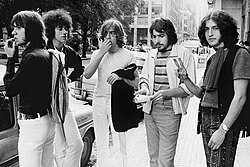
Los Gatos Summary
| Category | Details |
|---|---|
| Core Members | Litto Nebbia, Alfredo Toth, Ciro Fogliatta, Oscar Moro, Kay Galiffi, Pappo |
| Record Labels | RCA Victor, BMG |
| Key Albums | Los Gatos (1967), Seremos amigos (1968), Beat N°1 (1969), Rock de la mujer perdida (1970) |
| Major Influence | Pioneered Spanish-language rock in Argentina |
Frequently Asked Questions
Why is the song "La balsa" so important?
"La balsa" is considered the kickstarter of Argentine rock. It was one of the first major hits to use the Spanish language in a rock context and inspired a social movement of youth who identified as "castaways" against a repressive government.
Who were the members of Los Gatos?
The band included Litto Nebbia, Alfredo Toth, Ciro Fogliatta, and Oscar Moro throughout most of their tenure. Kay Galiffi was a member from 1967 to 1968, and Pappo joined from 1969 to 1970.
How did the band's style change over time?
They began with pop and garage rock, moved into psychedelic rock with Seremos amigos, and eventually explored progressive and heavy blues-rock during their collaborations with Pappo.
Did the band ever reunite?
Yes, after disbanding in 1970, the group reunited for a tour in 2007, which resulted in the release of a live album.
What happened to the album "Rock de la mujer podrida"?
Due to government censorship in 1970, the band was forced to change the title from "Rotten woman's rock" to "Lost woman's rock" (Rock de la mujer perdida).