Literature History: From Oral Traditions to the Postmodern Era
The history of literature is the chronicle of how humans have used prose and poetry to entertain, educate, and communicate complex ideas. While not all written records—such as simple data logs or check registers—qualify as literature, the evolution of literary techniques has allowed writers to transform raw information into art. This journey begins not with the pen, but with the voice.
The Foundations of Storytelling
Before the invention of writing, early humans relied on oral tradition, using myth and folklore to share information within hunter-gatherer bands. As the human mind evolved to apply causal reasoning, storytelling became a vital tool for teaching social norms and warning others of dangers. This psychological drive to make sense of the world through patterns eventually culminated in epic poetry: long narrative poems detailing the legendary feats of mythic heroes from a nation's early history.
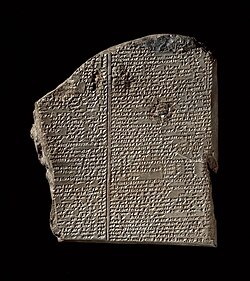
Writing emerged independently across the globe, appearing in Mesopotamia around 3200 BCE, Ancient China around 1250 BCE, and Mesoamerica around 650 BCE. Initially, writing was reserved for utilitarian tasks like accounting. However, it soon evolved into a medium for literature, producing early works such as the Maxims of Ptahhotep in Egypt and the Classic of Poetry in China.
Ancient Literary Traditions
India and the East
In Ancient India, knowledge was preserved through two primary traditions: Shruti (that which is learnt) and Smriti (that which is experienced). The Vedas and the Puranas represent the earliest philosophical writings, with the great epics Ramayana and Mahabharata exerting a lasting influence on global art, from European works to Balinese shadow puppetry (wayang). While Classical Sanskrit literature flourished between the 2nd century BCE and 8th century CE, Classical Tamil literature emerged as India's earliest secular writing, focusing on themes of love and war.
Classical Antiquity
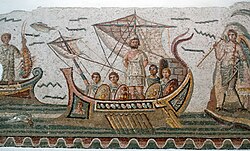
The Mediterranean world saw the rise of influential narratives in Ancient Greece and Rome, where the epic form reached new heights of sophistication, blending mythology with early national identity.
Post-Classical Developments (5th–15th Century)
East Asian Innovations
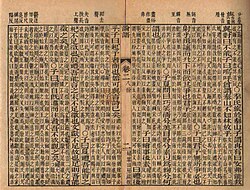
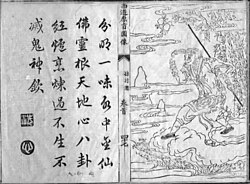
During China's Song dynasty, literature split between popular fiction—often consisting of historical tales and "small talk"—and classical prose intended for moral instruction. This era also produced the Dream Pool Essays (1088) by Shen Kuo, which contains the oldest description of the magnetized compass, and the massive 294-volume Zizhi Tongjian.
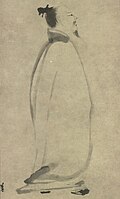
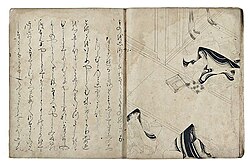
In Japan, the 10th and 11th centuries marked a golden age of prose. Utsubo Monogatari is often cited as the first full-length novel, while The Tale of Genji introduced a blend of realism and romantic idealization that defined the Heian period. By the 13th century, literature expanded beyond the aristocracy to the lower classes, often through the narration of religious texts like The Tale of the Heike.
The Islamic World and Beyond
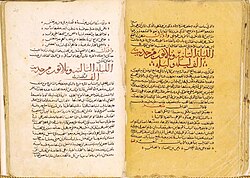
The post-classical era saw a surge in Arabic, Persian, and Ottoman literature, as well as the development of post-classical Hebrew literature, creating a rich tapestry of theological and poetic exchange across the Islamic world.
Early Modern to Late Modern Eras (15th–20th Century)
The European Shift
The 18th century, known as the Age of Enlightenment, was dominated by thinkers like Voltaire, Rousseau, Kant, and Adam Smith. This rationalism eventually gave way to Romanticism, led by figures such as Goethe, and later to the 19th-century movements of Realism and Naturalism. The period known as the Belle Époque represented a cultural peak before the devastation of World War I in 1914, leading into the Modernist movement (1900–1940).
North American Identity
Canadian literature initially mirrored European trends, with The History of Emily Montague (1769) serving as the first Canadian novel. Over time, a distinct identity emerged, shifting from grand narratives to day-to-day experiences and a deep focus on nature. By the early 20th century, Canadian poets moved from Victorian styles toward free verse and Imagism.
Contemporary Literature (1945–Present)
Literature written after World War II is classified as contemporary. The period from 1945 to 1980 was dominated by Postmodernism. This era also saw the rise of popular genres like science fiction and fantasy. Though once ignored by mainstream critics, these genres now possess their own prestigious accolades, such as the Nebula Award and the British Fantasy Award.
Key Facts
- Orality: Literature began as oral storytelling used for survival and social cohesion before writing existed.
- Early Writing: Writing appeared independently in Mesopotamia (3200 BCE), China (1250 BCE), and Mesoamerica (650 BCE).
- Japanese Prose: The Tale of Genji (11th century) is a landmark of realism and romantic idealization.
- Enlightenment: The 18th century focused on reason and philosophy before the rise of Romanticism.
- Contemporary Era: Defined as literature post-1945, characterized by postmodernism and the institutionalization of genre fiction.
| Era | Approximate Timeframe | Key Characteristics | Notable Examples/Figures |
|---|---|---|---|
| Ancient | Bronze Age – 5th Century | Oral tradition, Epic poetry, early writing | Epic of Gilgamesh, Vedas |
| Post-Classical | 5th – 15th Century | Aristocratic prose, religious texts, early novels | The Tale of Genji, Dream Pool Essays |
| Early Modern | 15th – 18th Century | Enlightenment, printing press, rationalism | Voltaire, Rousseau |
| Late Modern | 18th – 20th Century | Romanticism, Realism, Modernism | Goethe, Modernist poets |
| Contemporary | 1945 – Present | Postmodernism, Genre fiction (Sci-Fi/Fantasy) | Nebula Award winners |
Frequently Asked Questions
What is the difference between a written record and literature?
Literature consists of prose or poetry intended to entertain or educate. Simple compilations of data, such as a check register or accounting log, are recorded materials but are not considered literature.
How did storytelling evolve from oral traditions?
Storytelling emerged as humans developed causal reasoning, allowing them to structure events into narratives. This enabled early humans to share vital information about social norms and dangers through myth and folklore.
What are Shruti and Smriti in Indian tradition?
Shruti refers to knowledge that is "learnt" (revealed), while Smriti refers to knowledge that is "experienced." These two traditions were the primary vehicles for handing down philosophical and theological concepts, including the Vedas.
When did the first novels appear in Japan?
Early prose works like Utsubo Monogatari appeared in the 10th century, with the latter sometimes regarded as the first full-length novel. This was followed by the highly influential The Tale of Genji in the 11th century.
What defines contemporary literature?
Contemporary literature is defined as any work written after the end of World War II in 1945, encompassing the postmodern movement and the growth of specialized genres like science fiction and fantasy.