Light Skin Pigmentation: Evolution, Genetics, and Health
Light skin is a human phenotypic trait characterized by low levels of eumelanin—the dark pigment responsible for skin color. This trait evolved as a biological adaptation to environments with low ultraviolet (UV) radiation. While historically associated with specific geographic regions, modern migrations have resulted in light-skinned populations residing globally.
Measured through skin reflectance, light skin is most prevalent among native populations in Europe, East Asia, West Asia, Central Asia, the Indian subcontinent, Siberia, and North Africa. While often colloquially referred to as "white," most official global categorizations rely on ethnic or national origin rather than perceived skin tone, as definitions of race and ethnicity vary significantly by country.
Key Facts
- Biological Cause: Light skin results from fewer melanosomes and lower concentrations of eumelanin.
- Primary Benefit: Enhanced absorption of UV radiation, which is essential for synthesizing vitamin D.
- Primary Risk: Increased susceptibility to folate depletion and skin cancer in high-UV environments.
- Genetic Drivers: In West Eurasians, the SLC24A5 and SLC45A2 genes are major determinants of light pigmentation.
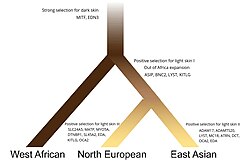
- Evolutionary Path: Light skin evolved independently in West Eurasian and East Eurasian populations.
The Vitamin D–Folate Hypothesis
The evolution of skin color is largely explained by the vitamin D–folate hypothesis. This theory describes a biological balancing act between two critical nutrients: vitamin D and folate.
In regions far from the equator, UV radiation is scarce. Light skin allows the body to absorb more UV rays, facilitating the synthesis of vitamin D, which is crucial for calcium development and overall physical and mental health. Conversely, individuals with darker skin living in low-light climates may suffer from vitamin D deficiency, which is linked to complications such as miscarriage and an increased risk of schizophrenia.
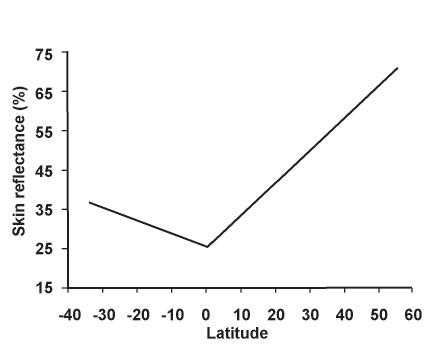
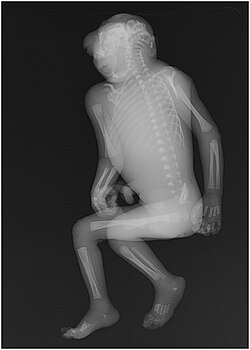
However, this adaptation carries risks in high-UV environments. People with light skin living near the equator are prone to folate depletion. Folate is essential for DNA synthesis; its depletion can lead to DNA damage, various cancers (particularly skin cancer), and severe birth defects, such as anencephaly (a fatal neural tube defect).
Evolutionary Genetics of Light Skin
Lighter skin tones did not emerge from a single source but evolved independently in West and East Eurasian populations after they diverged more than 40,000 years ago.
West Eurasian Pigmentation
In West Eurasians—including populations in Europe, Western Asia, North Africa, and the Caucasus—two primary genetic factors drive skin lightening:
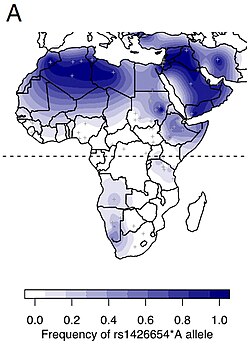
- SLC24A5: The A111T allele of the rs1426654 polymorphism has the most significant lightening effect. It is widespread across Europe, the Middle East, North Africa, and the Indian subcontinent.
- SLC45A2: The depigmenting allele F374 (L374F) of the rs16891982 polymorphism is the second most important factor. Evidence suggests this mutation occurred only once in Caucasian ancestry.
The Role of the Neolithic Revolution
By 9,000 years ago, variants of SLC24A5 and SLC45A2 were present in the Levant, Mesopotamia, Anatolia, and Iran. These genetic traits became associated with the Neolithic Revolution, spreading across Europe and North Africa as Neolithic farmers migrated.
![History of human pigmentation in Europe (with Asia geographic extension). European populations, like the Scandinavian Hunter-Gatherers, already had higher levels of light pigmentation variants compared to their ancestors from other parts of Europe, suggesting adaptation to low light conditions thousands of years ago.[19] Some authors have expressed caution regarding the dark skin pigmentation predictions for Upper Paleolithic Europeans.[20]](/images/52/7f/527ff9f30601d55f745014c743cf75b0124f06b1f843544fe324ec418b998fcb.png)
Ancient Populations and Geographic Distribution
Genetic analysis of ancient remains provides a timeline for the spread of light pigmentation:
- Anatolian Farmers: Research indicates that the SLC24A5 allele was nearly fixed (present in approximately 90% of the population) in Anatolian Neolithic farmers, suggesting migration was the primary driver of its spread into Early Neolithic Europe.
- The Etruscans: Evidence from 3,000 to 2,700 years ago shows that Etruscan populations possessed blue eyes and skin tones ranging from pale white to intermediate.
- The Chalcolithic Levant: Samples from 6,000 to 7,000 years ago show that the SLC24A5 derived variant was fixed, indicating that light skin and blue eyes were common in these communities.
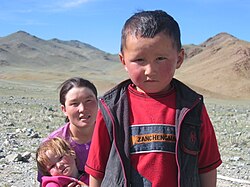
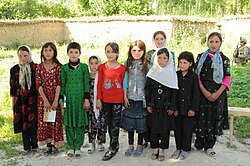
While most common in the regions mentioned above, light skin appears in diverse populations globally, including some individuals in Mongolia and Afghanistan.
Summary of Skin Pigmentation Factors
| Feature | Light Skin (Low Eumelanin) | Dark Skin (High Eumelanin) |
|---|---|---|
| UV Adaptation | Low UV environments | High UV environments |
| Vitamin D Synthesis | Efficient in low light | Requires high UV exposure |
| Folate Protection | Low (Risk of depletion) | High (Protects against UV) |
| Primary Health Risks | Skin cancer, birth defects | Vitamin D deficiency, schizophrenia |
| Key Genes (West Eurasia) | SLC24A5, SLC45A2 | Ancestral pigmentation genes |
Frequently Asked Questions
Why did humans evolve light skin?
Light skin evolved as an adaptation to low-UV environments. By reducing eumelanin, the skin can more effectively absorb ultraviolet radiation, which is necessary for the body to synthesize vitamin D for calcium development and other vital processes.
What is the vitamin D–folate hypothesis?
It is an evolutionary model suggesting that skin pigmentation is a balance between the need for vitamin D (which requires UV penetration) and the need to protect folate from being destroyed by UV radiation (which requires melanin protection).
Which genes are most responsible for light skin in Europeans?
The two most significant genes are SLC24A5 (specifically the A111T allele) and SLC45A2 (specifically the F374 allele). These genes reduce the amount of pigment in the skin.
Are light skin traits the same in East Asians and Europeans?
No. Lighter skin tones evolved independently in West Eurasian and East Eurasian populations after they diverged over 40,000 years ago, meaning different genetic mechanisms were often involved.
What are the health risks associated with light skin in sunny climates?
In high-UV areas, light-skinned individuals are at a higher risk of folate depletion, which can lead to DNA damage, an increased incidence of skin cancers, and birth defects such as neural tube defects.