Libertadores: The Leaders of Latin American Independence
The Libertadores (Spanish for "Liberators") were the primary leaders who spearheaded the wars of independence across Latin America, freeing various territories from the colonial rule of Spain and Portugal. This title serves as a historical counterpoint to the Conquistadores ("Conquerors") who originally established European control in the region.
Most of these leaders were criollos—individuals of European descent born in the Americas. Typically members of the bourgeoisie with military training received in Europe, they were deeply influenced by the principles of liberalism. These men leveraged their status and training to lead colonial subjects in a systemic struggle against the metropole (the controlling colonial power).
Key Facts
- Definition: Leaders who led the independence movements in Latin America against Spain and Portugal.
- Social Background: Primarily criollos (local-born people of European descent) with military training.
- Major Figures: Simón Bolívar and José de San Martín are among the most prominent figures in Hispanic America.
- Global Reach: While centered in South and Central America, the term also applies to figures in Brazil and the Philippines.
- Lasting Legacy: Their influence persists in national flags, city names, and the naming of the Copa Libertadores football competition.
The Liberators of Hispanic America
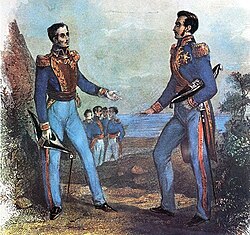
The struggle for independence in Hispanic America was a complex series of conflicts involving numerous military campaigns and political alliances. Figures like Simón Bolívar and José de San Martín played pivotal roles in liberating multiple nations.
Simón Bolívar was instrumental in the independence of Colombia, Venezuela, Ecuador, Peru, Panama, and Bolivia. His leadership spanned the Venezuelan War of Independence and the Admirable Campaign, among others. Similarly, José de San Martín was crucial to the liberation of Argentina, Chile, and Peru, notably leading the Crossing of the Andes.
In Mexico and Central America, the path to independence involved a unique alliance. Agustín I (Agustín de Iturbide), a royalist leader, joined forces with rebel leader Vicente Guerrero. Together, they established the Plan de Iguala, which led to the creation of an independent Mexican Empire with Agustín I as Emperor. This movement extended its influence over Guatemala, El Salvador, Honduras, Nicaragua, and Costa Rica.
Summary of Prominent Hispanic American Libertadores
| Name | Nations Contributed To | Key Campaigns/Contributions |
|---|---|---|
| Simón Bolívar | Colombia, Venezuela, Ecuador, Peru, Panama, Bolivia | Admirable Campaign, Bolivian War of Independence |
| José de San Martín | Argentina, Chile, Peru | Crossing of the Andes, Peruvian War of Independence |
| Agustín I | Mexico, Central American nations | Plan de Iguala, Mexican Empire |
| Bernardo O'Higgins | Chile, Peru | Chilean War of Independence |
| Antonio José de Sucre | Bolivia, Peru, Ecuador, Colombia, Venezuela | Bolivian War of Independence, Gran Colombia–Peru War |
| Miguel Hidalgo y Costilla | Mexico | Grito de Dolores |
Independence in Brazil and the Philippines
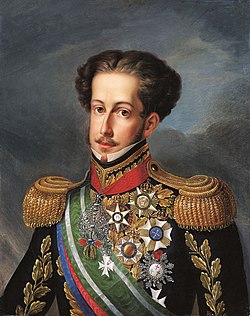
Beyond the Spanish colonies, the spirit of liberation extended to other Portuguese and Spanish territories. In Brazil, Pedro I is recognized as "o Libertador" for his central role in securing the country's independence. Other figures associated with this movement include José Bonifacio, Maria Leopoldina de Austria, and Joaquim Gonçalves Ledo.
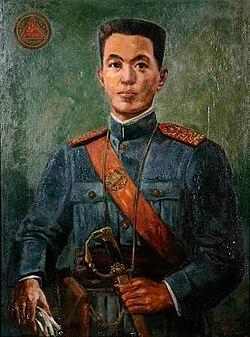
In Asia, the Philippines also sought liberation from the Spanish Empire. Emilio Aguinaldo, the first Filipino President and Generalissimo, is widely honored as "El Libertador de la Patria" (The Liberator of the Homeland) for his leadership in 1898.
Historical Legacy and Influence
The impact of the Libertadores is visible in the modern geography and identity of the Americas. The national flags of Ecuador, Colombia, and Venezuela were based on a design created by Francisco de Miranda in 1806. Furthermore, the nation of Bolivia was named in honor of Simón Bolívar.
The legacy of these leaders is woven into the cultural fabric of South America. Their names are frequently used for towns, public institutions, and sports clubs. Most notably, the Copa Libertadores, the most prestigious international club football competition in South America, was named to honor these historical figures.
Frequently Asked Questions
Who were the criollos?
Criollos were people of European descent who were born in the American colonies. They often belonged to the bourgeoisie and received military training in Europe, which they later used to lead independence movements.
What was the Plan de Iguala?
The Plan de Iguala was a political agreement in Mexico formed by an alliance between royalist leader Agustín de Iturbide and rebel leader Vicente Guerrero, leading to the establishment of an independent Mexican Empire.
Which countries were influenced by Simón Bolívar?
Simón Bolívar contributed to the independence of Venezuela, Colombia, Ecuador, Peru, Panama, and Bolivia.
Is the Copa Libertadores named after these leaders?
Yes, the prestigious South American football competition is named in honor of the Libertadores who fought for the independence of the region.
Who is considered the liberator of the Philippines?
Emilio Aguinaldo, the first Filipino President and Generalissimo, is recognized as "El Libertador de la Patria" for liberating the Philippines from the Spanish Empire in 1898.