Lebanon History: From Ancient Roots to the Modern Republic
The history of Lebanon is a complex tapestry of diverse cultures, shifting borders, and resilient people. While the modern Republic of Lebanon has existed within its current boundaries since 1920, the region's identity evolved over millennia. From the rugged peaks of Mount Lebanon to the bustling Mediterranean coast, the land has served as a crossroads for empires and a sanctuary for various religious and ethnic groups.
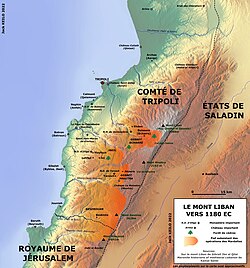
Before the 20th century, "Lebanon" referred to a territory with vaguely defined borders, primarily encompassing the Mount Lebanon range and its outskirts, including the Bekaa and Akkar plains. The vision of a sovereign nation began to crystallize during the era of the Mount Lebanon Emirate, driven largely by Maronite clerics who advocated for an independent state.
Key Facts
- Modern Borders: Established in 1920 as Greater Lebanon under a French and British mandate.
- Ottoman Legacy: The region was part of the Ottoman Empire until its dismemberment after World War I.
- Key Dynasties: The Maans (1517–1697) and the Shihabs (1697–1842) played pivotal roles in early Lebanese autonomy.
- Civil Conflict: The Lebanese Civil War (1975–1990) profoundly reshaped the nation's political and social landscape.
- Recent Crisis: The 2020 Beirut port explosion and a severe liquidity crisis have marked the most recent era of instability.
The Era of Emirates and Dynasties
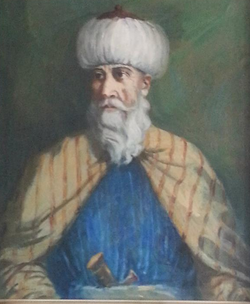
During the Ottoman period, Lebanon saw the rise of powerful local dynasties that sought greater autonomy. The Maans dynasty (1517–1697) was instrumental in this process, most notably under the leadership of Fakhreddine II.
Fakhreddine II is remembered as a visionary leader who sought to modernize the region and expand its influence. His tenure was marked by an openness to European culture and trade, particularly with Tuscany.

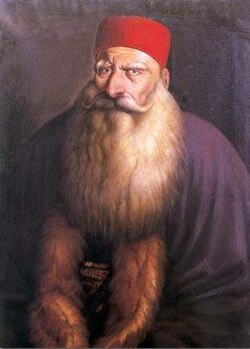
Following the Maans, the Shihab dynasty (1697–1842) took control. Among its most prominent figures was Emir Bashir II, whose rule was characterized by strong centralization and significant political influence.
Sectarian Harmony and Conflict
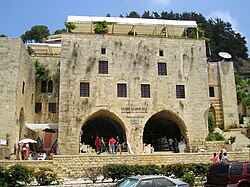
Historically, the Shuf Mountains were a bastion of coexistence, where Druze and Christian communities lived in harmony. However, this stability was fractured in the mid-19th century as European powers began to intervene in local affairs, exacerbating sectarian tensions.
![Christian Church and Druze Khalwa in Shuf Mountains: Historically; the Druzes and the Christians in the Shuf Mountains lived in complete harmony.[32]](/images/28/db/28db1f5d4cae6cba7a7d31090bfcac70e59e02ce266f01bfe699762fe9b1fe47.jpg)
The Path to Independence
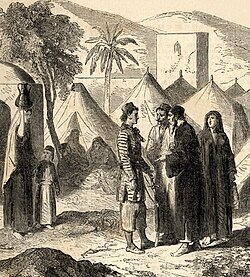
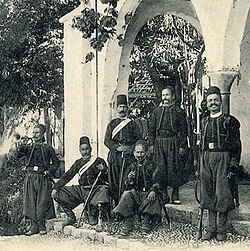
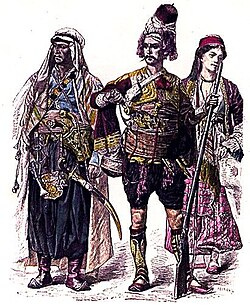
The early 20th century was a period of extreme hardship and transition. Between 1915 and 1918, the region suffered through a devastating Great Famine. Following the end of World War I and the collapse of the Ottoman Empire, the League of Nations established a mandate system.
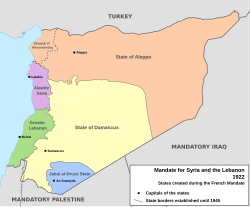
In 1920, Greater Lebanon was created under the French Mandate for Syria and the Lebanon. This new entity expanded the borders beyond the mountains to include the coast and the interior plains.
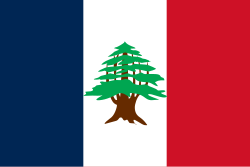
Lebanon eventually achieved its independence in 1943, establishing a republic with a parliament and a national flag symbolizing its new sovereignty.
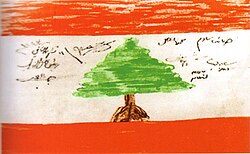
The Republic and the Civil War
The early years of the Republic were marked by economic prosperity, with Beirut becoming a financial hub. However, regional instability grew following the 1948 Arab–Israeli War, which brought more than 110,000 Palestinian refugees into Lebanon.
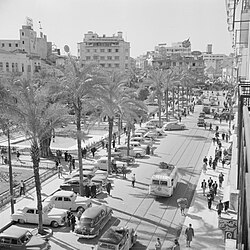
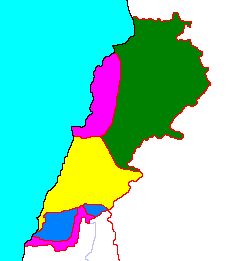
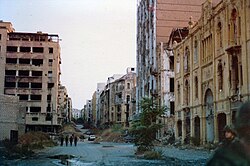
These tensions culminated in the Lebanese Civil War (1975–1990), a brutal conflict involving various Maronite groups, Palestinian militias, and Syrian forces. The war physically divided the capital, with the "Green Line" separating East and West Beirut.
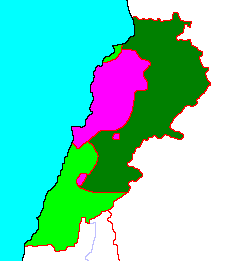
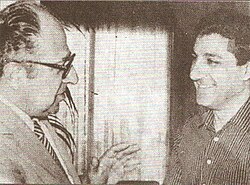
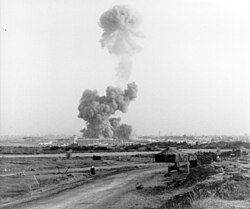
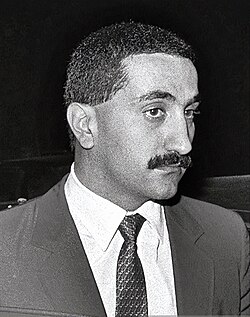
The conflict saw numerous tragedies, including the explosion at the Marine barracks and the assassination of political figures like Bachir Gemayel and later Elie Hobeika.
Modern Challenges and the 21st Century
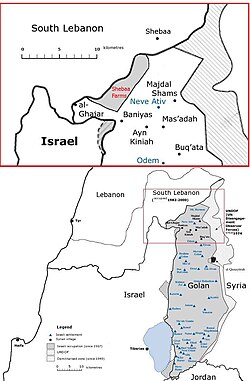
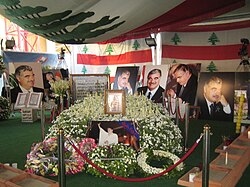
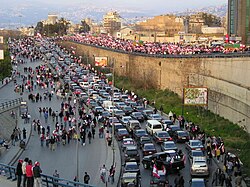
The Second Lebanese Republic faced ongoing struggles with Syrian influence and border disputes, such as those regarding the Shebaa farms. The assassination of Prime Minister Rafiq Hariri in 2005 sparked the Cedar Revolution, leading to massive anti-Syrian protests and the eventual withdrawal of Syrian troops.
The mid-2000s were further complicated by the 2006 war with Israel, which resulted in significant infrastructure damage across the country.
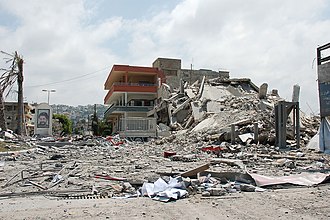
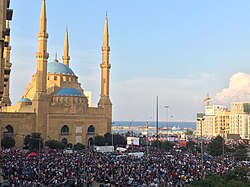
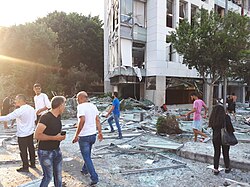
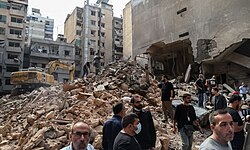
In recent years, Lebanon has faced a systemic collapse. The 2019 protests were triggered by a severe liquidity crisis, followed by the 2020 meltdown of the Banque du Liban (the central bank). This period of instability was punctuated by the catastrophic Beirut port explosion on August 4, 2020, and continued airstrikes in 2024.
Summary of Lebanese Historical Eras
| Period/Dynasty | Approximate Dates | Key Characteristic |
|---|---|---|
| Maans Dynasty | 1517–1697 | Early autonomy and modernization under Fakhreddine II |
| Shihab Dynasty | 1697–1842 | Centralized rule under Emir Bashir II |
| French Mandate | 1920–1943 | Creation of Greater Lebanon after WWI |
| First Republic | 1943–1975 | Independence and economic growth |
| Civil War | 1975–1990 | Sectarian conflict and foreign intervention |
| Second Republic | 1990–Present | Post-war reconstruction and modern financial crises |
Frequently Asked Questions
When were the current borders of Lebanon established?
The current borders were established in 1920 with the creation of Greater Lebanon under the French and British mandate following the collapse of the Ottoman Empire.
Who was Fakhreddine II?
Fakhreddine II was a leader of the Maans dynasty who sought to modernize Lebanon and expand its autonomy through trade and cultural ties with Europe, specifically Tuscany.
What was the "Green Line" in Beirut?
The Green Line was the demarcation line that separated West and East Beirut during the Lebanese Civil War (1975–1990).
What triggered the Cedar Revolution in 2005?
The Cedar Revolution was triggered by the assassination of Prime Minister Rafiq Hariri, leading to widespread protests demanding the withdrawal of Syrian forces from Lebanon.
What caused the 2019 protests in Lebanon?
The 2019 protests were primarily driven by a severe liquidity crisis and public anger over government corruption and economic mismanagement.