Late Antiquity: The Transition from the Classical World to the Middle Ages
Late antiquity refers to the pivotal transitional period between the height of classical antiquity and the beginning of the Early Middle Ages, spanning roughly from A.D. 285 to 700. This era was not a sudden collapse but a complex process of transformation, rupture, and adaptation across the Mediterranean and Near East.
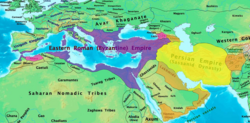
During these centuries, the political landscape shifted from a world dominated by a single Roman hegemony to a fragmented map of post-Roman kingdoms in the West and a resilient Eastern Roman Empire in the East. This period witnessed the rise of the Sasanian Empire in Persia and the eventual emergence of Islam, which fundamentally reshaped the global order.
Key Facts
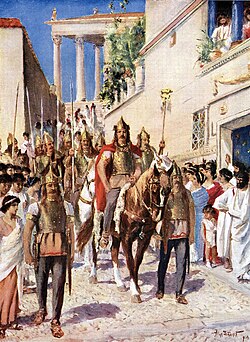
- Timeline: Approximately A.D. 285 to 700.
- Major Powers: The Eastern Roman (Byzantine) Empire, the Sasanian Empire, and later the Rashidun and Umayyad Caliphates.
- Environmental Crisis: The Late Antique Little Ice Age (c. 536–660) and the Plague of Justinian (541) caused massive demographic declines.
- Urban Shift: Rome's population plummeted from 800,000 to 30,000 by the end of the period.
- Religious Evolution: The era saw the institutionalization of Christianity, the development of Rabbinic Judaism, and the birth of Islam.
Political Transformations and Imperial Power
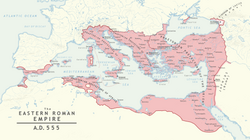
The Roman State and its Fragmentation
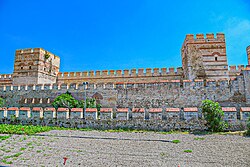
The late Roman state underwent significant administrative and military restructuring to survive internal instability and external pressures. While the Western provinces eventually gave way to various post-Roman kingdoms, the Eastern Roman Empire—later known as the Byzantine Empire—maintained a sophisticated bureaucracy and military apparatus.
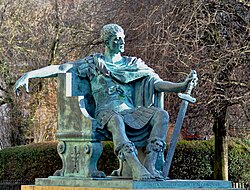
Constantine I, proclaimed Augustus in 306, played a crucial role in shifting the empire's center of gravity eastward.
The Sasanian Empire and the Eastern Frontier
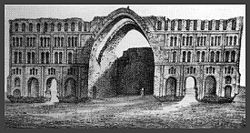
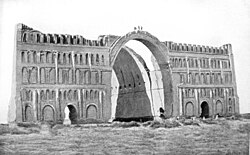
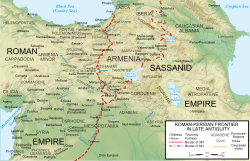
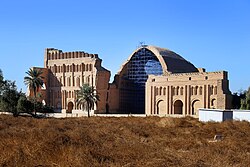
To the east, the Sasanian Empire stood as the primary rival to Rome. The frontier between these two superpowers was a zone of constant diplomacy, fortification, and warfare. The Sasanian capital, Ctesiphon, featured architectural marvels like the Taq Kasra, symbolizing the empire's grandeur.
The Rise of Islam and the New World Order
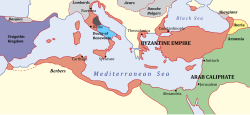
The 7th century was defined by the exhaustive Byzantine–Sasanian War (602–628). This conflict left both empires depleted, facilitating the rapid emergence of Islam in the Arabian Peninsula under Muhammad. The subsequent Muslim conquests overthrew the Sasanian Empire and seized two-thirds of the Eastern Roman Empire's territory, establishing the Rashidun Caliphate.
Society, Economy, and Urban Decline
The Collapse of Urban Life
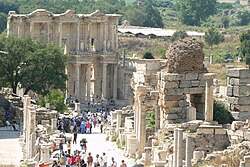
One of the most striking features of late antiquity was the precipitous decline of cities. Rome experienced a dramatic population drop, accelerated by the destruction of its aqueducts during the Gothic War. While Constantinople initially grew, it too suffered after the outbreak of the plague in 541.
Economic Regression
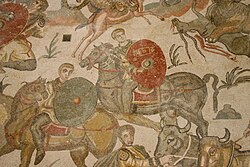
As urban centers shrank, Europe saw a general population decline and a shift toward a subsistence economy—a system where people produce only enough to support themselves. Long-distance trade networks vanished, replaced by localized production and consumption.
Climate, Plague, and Demography
The Late Antique Little Ice Age
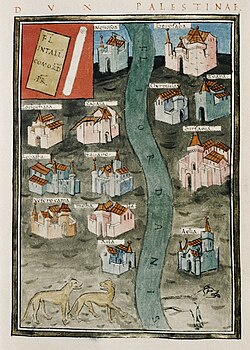
The mid-6th century was marked by extreme climatic events. A volcanic winter in 535–536 triggered the Late Antique Little Ice Age, a cooling period lasting until approximately 660. Tree-ring evidence suggests this caused harvest stress and political instability across various regions.

The Plague of Justinian
In 541, the Plague of Justinian struck, causing widespread tissue necrosis and massive death tolls. This pandemic, combined with climatic cooling, severely weakened the social and political fabric of the Mediterranean world.

Culture, Religion, and Art
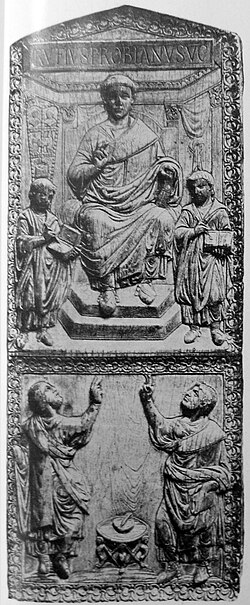
Religious Shifts
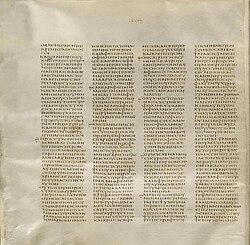
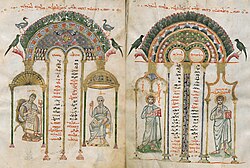
Late antiquity was an era of profound spiritual change. Christianity became the dominant force in the Roman world, while Rabbinic Judaism and Zoroastrianism (the state religion of the Sasanians) also flourished. The period saw the production of some of the earliest complete Bible manuscripts, such as the Codex Sinaiticus.

Architectural and Visual Legacy
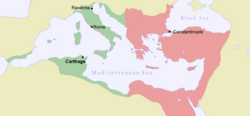
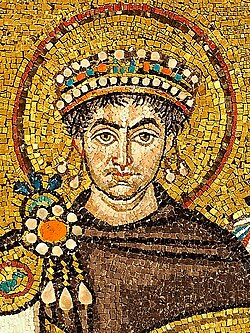
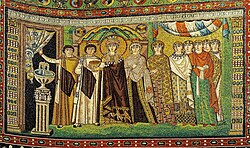
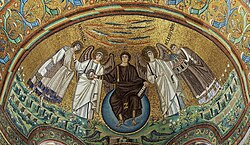
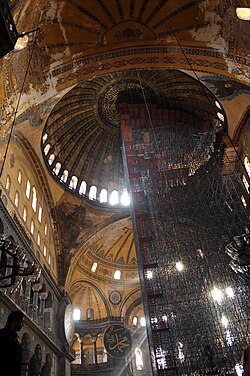
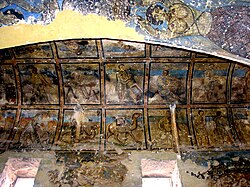
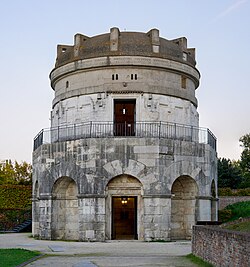
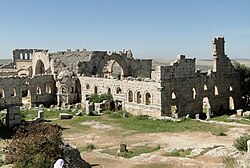
Despite the economic decline, the era produced monumental art and architecture. The Hagia Sophia in Constantinople and the mosaics of San Vitale in Ravenna represent the pinnacle of this period's visual culture, blending imperial power with religious devotion.
Regional Diversity
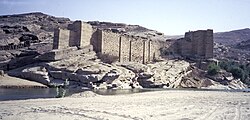
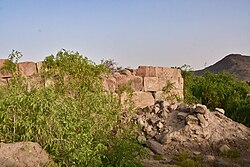
Beyond the Mediterranean, other cultures thrived. In South Arabia, the ancient dam at Marib showcased advanced hydraulic engineering, while the Kingdom of Aksum dominated the Red Sea trade.
Summary of Late Antique Transitions
| Feature | Classical Antiquity | Late Antiquity |
|---|---|---|
| Political Structure | Unified Roman Hegemony | Fragmented Kingdoms & Rival Empires |
| Economy | Interconnected Long-Distance Trade | Localized Subsistence Economy |
| Urbanization | Large, Flourishing Cities | Significant Urban Population Decline |
| Dominant Faiths | Polytheism / Traditional Cults | Christianity, Zoroastrianism, Islam |
| Climate | Relatively Stable | Late Antique Little Ice Age |
Frequently Asked Questions
What exactly is Late Antiquity?
Late antiquity is the period from roughly A.D. 285 to 700 that serves as a bridge between the classical era of Greece and Rome and the early Middle Ages. It is characterized by the transformation of the Roman Empire and the rise of new religious and political powers.
How did the Plague of Justinian affect the empire?
The plague, which began in 541, caused massive population loss and economic disruption. It weakened the Eastern Roman Empire's ability to maintain its territories and recover the Western provinces, contributing to long-term political instability.
What was the Late Antique Little Ice Age?
It was a period of significant global cooling starting around 536, likely caused by volcanic eruptions. This led to crop failures, famine, and migration, which scholars believe put immense pressure on the existing imperial structures.
Why did the cities decline so drastically?
Urban decline was caused by a combination of factors: the breaking of essential infrastructure (like Rome's aqueducts), the collapse of long-distance trade, devastating pandemics, and invasions by groups such as the Slavs and Persians.
How did the rise of Islam change the region?
The emergence of Islam and the subsequent Rashidun Caliphate led to the total collapse of the Sasanian Empire and the permanent loss of Syria, Egypt, and the Levant for the Byzantine Empire, shifting the center of power in the Near East.