Lafcadio Hearn: The Global Wanderer Who Bridged East and West
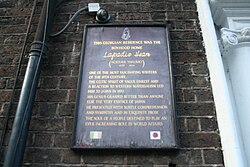
Patrick Lafcadio Hearn was a man of many identities, languages, and homes. A Greek and Irish writer, translator, and teacher, Hearn became one of the most influential figures in introducing the culture, folklore, and literature of Japan to the Western world. Known in Japan by his adopted name, Koizumi Yakumo, his life was a journey of constant migration—from the Ionian Islands to Ireland, the United States, the Caribbean, and finally to the shores of Japan.
Key Facts
- Birth Name: Patrick Lafcadio Hearn (baptized Patrikios Lefcadios Hearn).
- Japanese Name: Koizumi Yakumo (小泉 八雲).
- Citizenship: Became a Japanese citizen in 1896.
- Major Contribution: Popularized Japanese ghost stories and folklore through works like Kwaidan.
- Languages: Fluent in English, Greek, Japanese, and French.
- Death: Passed away on September 26, 1904, in Tokyo.
Early Life and a Journey of Abandonment
Born on June 27, 1850, in Lefkada, Ionian Islands, Hearn's early years were marked by instability. His middle name, Lafcadio, was given in honor of his birthplace. Tragedy struck early when his older brother, George, died just two months after Lafcadio's birth. His father, Charles Hearn, eventually left him in the care of a guardian, Sarah Brenane, and emigrated to India. Lafcadio never saw his father again; Charles died of malaria in the Gulf of Suez in 1866.
Hearn's youth was a series of transitions, including a Catholic education and eventual immigration to Cincinnati, Ohio, where his professional life began to take shape.
The Sensationalist Journalist of Cincinnati
Between 1872 and 1875, Hearn worked as a reporter for the Cincinnati Daily Enquirer. He quickly earned a reputation as the city's most audacious journalist, known for writing lurid, sensational accounts of local murders. However, he balanced this with sensitive reporting on the city's disadvantaged populations. His talent was recognized when the Enquirer raised his salary from $10 to $25 per week following his coverage of the Tanyard Murder.
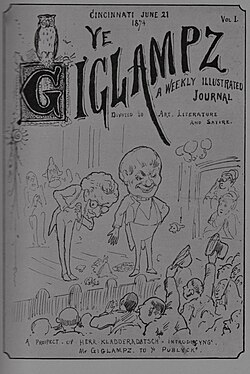
During this period, Hearn also ventured into satire. In 1874, alongside artist Henry Farny, he published Ye Giglampz, an eight-page weekly journal of art and literature.
From New Orleans to the West Indies
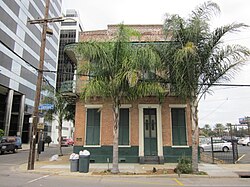
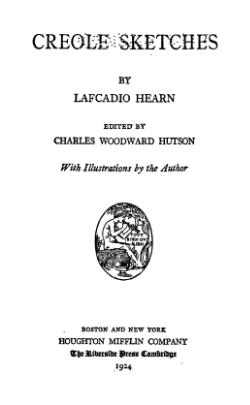
Hearn later moved to New Orleans, where he became fascinated by the local culture. He produced ethnographic works such as Creole Sketches and Gombo zhèbes (a dictionary of Creole proverbs). His curiosity about marginalized cultures led him next to the French West Indies, where he wrote Youma: The Story of a West-Indian Slave and Two Years in the French West Indies.
Finding a Home in Japan
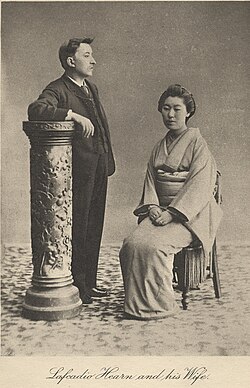
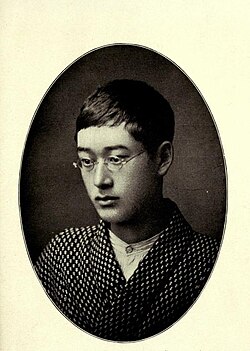
In 1890, Hearn traveled to Japan as a newspaper correspondent. Although his journalism commission ended quickly, he found a deep spiritual and intellectual connection to the country. With the help of Basil Hall Chamberlain, he secured a teaching position in Matsue. It was here that he married Setsuko Koizumi, the daughter of a samurai family, with whom he had four children.
Hearn's integration into Japanese society was total. In 1896, he became a Japanese citizen and adopted the name Yakumo Koizumi. The name "Yakumo" is a makurakotoba (a poetic modifier word) for Izumo Province, which he translated as "the Place of the Issuing of Clouds." He also transitioned from his previous beliefs to Buddhism.
Academic and Literary Career in Japan
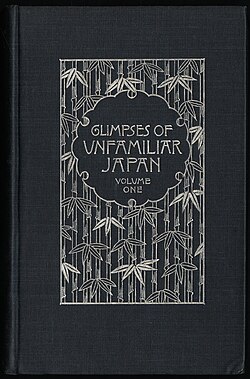
Hearn held various teaching positions, including roles at the Fifth High Middle School in Kumamoto and later at Tokyo Imperial University and Waseda University. His writings from this period, such as Glimpses of Unfamiliar Japan and Kwaidan: Stories and Studies of Strange Things, captured the essence of Japanese folklore and the "inner life" of the nation for a global audience.
Legacy and Commemoration
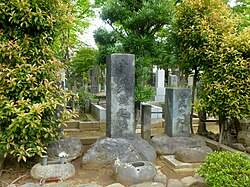
Lafcadio Hearn died in Tokyo on September 26, 1904, and is buried in Zōshigaya Cemetery. His work continues to influence art and media; for example, director Masaki Kobayashi adapted four of his tales into the 1964 film Kwaidan.
In recent years, efforts have been made to reconnect Hearn with his Irish roots. This led to the 2015 exhibition "Coming Home" at the Little Museum of Dublin and the opening of the Lafcadio Hearn Japanese Gardens in Tramore, County Waterford.
Summary of Major Works
| Region/Subject | Notable Work | Year |
|---|---|---|
| Louisiana/Creole | Creole Sketches | 1878-1880 |
| West Indies | Youma: The Story of a West-Indian Slave | 1889 |
| Japan | Glimpses of Unfamiliar Japan | 1894 |
| Japan | Kokoro: Hints and Echoes of Japanese Inner Life | 1896 |
| Japan | Kwaidan: Stories and Studies of Strange Things | 1904 |
Frequently Asked Questions
Why did Lafcadio Hearn change his name to Koizumi Yakumo?
Hearn changed his name upon becoming a Japanese citizen in 1896. He took his wife's surname, Koizumi, and chose "Yakumo" as a poetic reference to the Izumo Province, meaning "the Place of the Issuing of Clouds."
What is the significance of the book Kwaidan?
Kwaidan is one of Hearn's most famous works, consisting of stories and studies of "strange things." It played a pivotal role in introducing Japanese ghost stories and supernatural folklore to the West.
Where was Lafcadio Hearn born?
He was born in Lefkada, in the Ionian Islands, and was baptized in the Greek Orthodox Church.
What was Hearn's professional background before moving to Japan?
Hearn was a versatile journalist and writer. He worked as a sensationalist reporter for the Cincinnati Daily Enquirer and wrote extensively about the Creole culture of New Orleans and the French West Indies.
How is Hearn remembered in Ireland today?
Hearn is honored through the Lafcadio Hearn Japanese Gardens in Tramore, County Waterford, and through exhibitions in Dublin that highlight his open-minded approach to global cultures.