La Plata: The Planned Capital of Buenos Aires Province
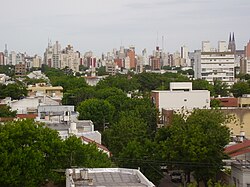
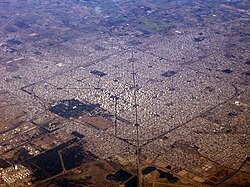
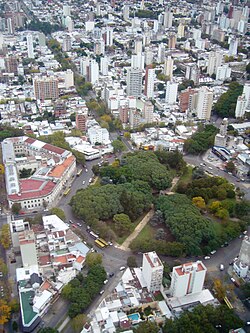
Located just 9 kilometers inland from the southern shore of the Río de la Plata estuary, La Plata serves as the capital city of the Buenos Aires province in Argentina. Unlike many historic cities that grew organically, La Plata was meticulously planned and developed to function as the provincial capital following the federalization of the city of Buenos Aires in 1880.
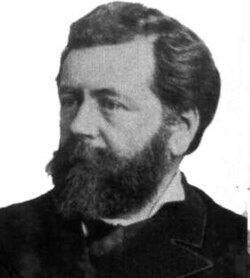
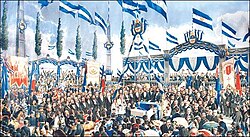
Founded on November 19, 1882, by Governor Dardo Rocha, the city is a testament to late 19th-century urban planning. For a brief period between 1952 and 1955, the city was known as Ciudad Eva Perón.
Key Facts
- Founded: November 19, 1882, by Governor Dardo Rocha.
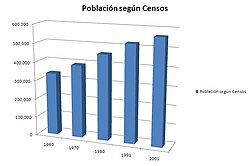
- Population: Approximately 186,524 in the city (2022), with a metropolitan area (Greater La Plata) of 938,287.
- Economic Status: Metropolitan GDP (PPP) of $19.6 billion as of 2023.
- Education: Home to the prestigious National University of La Plata (UNLP).
- Geography: Situated at an elevation of 26 meters, 9 km from the Río de la Plata.
History and Urban Development
The birth of La Plata was a strategic move to establish a new administrative center for the province. The foundation stone was placed in 1882, marking the start of a project that blended administrative efficiency with architectural ambition.
Architectural Landmarks
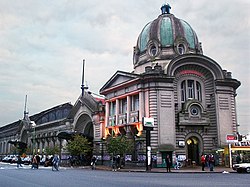
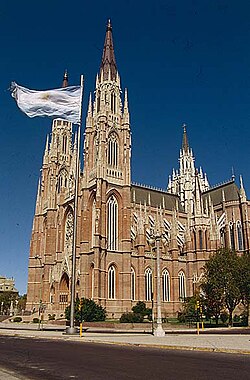
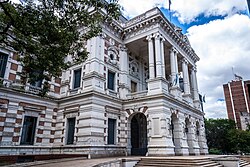
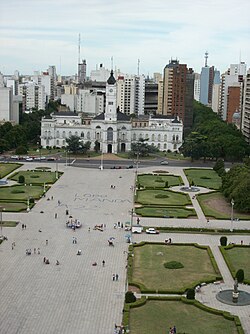
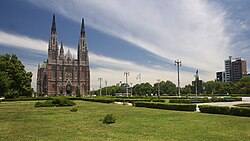
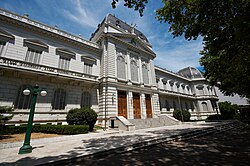
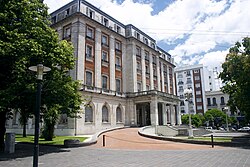
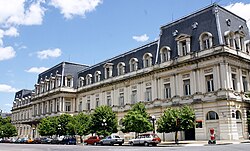
The city is defined by its grand structures. The Cathedral of La Plata stands as a primary landmark, while the Casa de Gobierno (Government House) and the Banco Provincia headquarters showcase the city's institutional power. The Banco Provincia building, designed by Juan A. Buschiazzo and Luis Viglione, opened in 1886 and underwent several modifications through 2013.
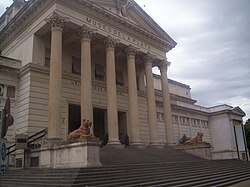
Other notable sites include the La Plata Museum of Natural History and the Dardo Rocha Passage Cultural Center. The city also preserves its early history through the San Ponciano church, the first chapel in La Plata, inaugurated in 1883 in a neo-Gothic style.
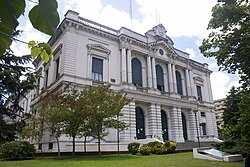
Evolution of the Cityscape
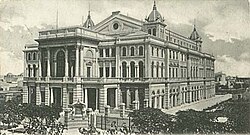
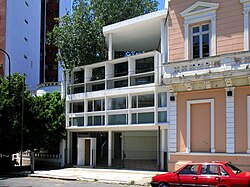
La Plata's architecture has evolved from neoclassicism to modernism. A significant loss occurred in 1977 when the neoclassic Teatro Argentino was destroyed by fire; it was subsequently replaced by a building in the brutalist style (characterized by raw, exposed concrete).
Education and Intellectual Life
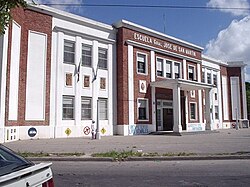
La Plata is widely recognized as an educational hub, primarily due to the National University of La Plata (UNLP). With over 75,000 students and 16 faculties, UNLP is one of Argentina's most renowned institutions.
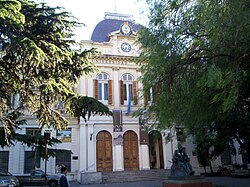
The university has produced numerous distinguished figures, including Argentine Presidents Raúl Alfonsín, Néstor Kirchner, and Cristina Fernández de Kirchner. Other notable alumni and faculty include the pioneering heart surgeon René Favaloro and Nobel Peace Prize winner Carlos Saavedra Lamas.
Sports and Recreation
The city is a center for athletic activity, most notably through the Estadio Ciudad de La Plata (also known as Estadio Único). Opened in 2003, this high-tech stadium features a semitransparent deck made of Kevlar and plastic resins completed in 2011. It has hosted major events, including matches for the 2011 Copa America.
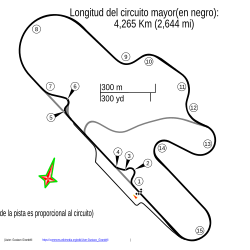
Local football culture is dominated by the rivalry between Estudiantes and Gimnasia La Plata, both of whom have home grounds located within the Paseo del Bosque (The Forest).
Geography and Climate
La Plata experiences a temperate climate with significant rainfall throughout the year. The region is also situated on the Punta del Este fault; while earthquakes are rare, a magnitude 3.8 event occurred in November 2018, the first significant activity since 1888.
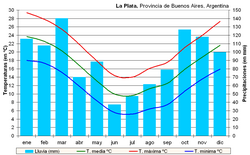
| Month | Mean Max Temp (°C) | Mean Min Temp (°C) | Avg Precipitation (mm) | Sunshine Hours |
|---|---|---|---|---|
| January | 28.9 | 17.4 | 111.0 | 300.7 |
| July | 14.2 | 5.2 | 78.7 | 155.0 |
| Yearly Avg | 21.6 | 11.3 | 1,072.7 | 2,575.9 |
Frequently Asked Questions
Who founded the city of La Plata?
La Plata was officially founded by Governor Dardo Rocha on November 19, 1882.
What is the significance of the UNLP?
The National University of La Plata (UNLP) is one of Argentina's most prestigious universities, boasting over 75,000 students and a history of producing presidents and world-renowned scientists.
What is the Estadio Único?
The Estadio Ciudad de La Plata, or Estadio Único, is a modern high-tech stadium used for football matches (including the 2011 Copa America) and major concerts.
Is La Plata prone to earthquakes?
While rare, the city lies on the Punta del Este fault. A magnitude 3.8 earthquake occurred in 2018, following a long period of inactivity since 1888.
What is the population of the Greater La Plata area?
As of the 2022 census, the metropolitan area of Greater La Plata has approximately 938,287 inhabitants.